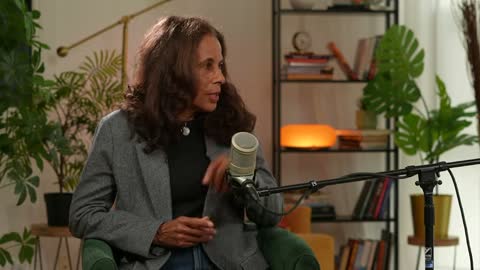
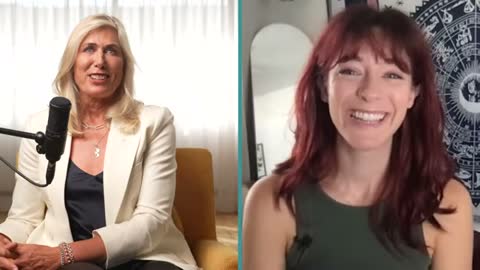
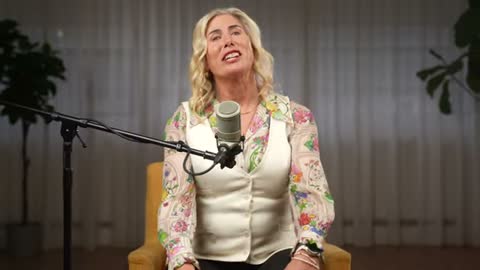
Bif Naked: From the Chemo Ward to the Bedside
She went through breast cancer as Bif Naked, not Beth Torbert, so people kept asking her to sit with someone at their first chemo, or near the end. She never said no.
“But, you know, to become a volunteer during that time was the best thing that ever happened to me.”
Transcript
Speaker names are being checked and will appear here soon.
00:00 Meet Bif Naked
Welcome. Thank you, Lid. We're so happy to have you. I'm so happy to have you. I'm happy to be here. It's nice to see you. I feel like I've already got a connection to you because, well, we actually, I mean, we're very different. You're a musician. I'm an athlete. But we have a lot of shared passion.
One of whom is wandering around the studio right now, you have just this passion for animals. Your feet is so beautiful because, you know, one day you're recording something and you're promoting, you know, a cause that you're passionate about. And then the next day there's grace on that screen. I just, I mean, I think animals make us feel so loved. They do. Yeah, you know, I think that a lot of people prefer animals to humans a lot of the time.
You know, you don't have to be a vegetarian to be an animal lover. Yeah. Most people, I think, love animals. Their animals are tender and vulnerable and they need us.
And do you think animals have a soul? Of course. Yeah, absolutely. You know, from the smallest insect all the way to the biggest grizzly bear and hippopotamus. I feel that more as I've gotten, I mean, I've had so many animals in my life. I normally have at least two dogs and a couple cats.
So I think there is, there's, there's this joy and energy. I talk to my, do you talk to your dogs? Well, and I never noticed it more than when my last one. Oh, Grace is talking to you though. Like you might be talking to that. One passed away.
Hi, Grace. I just going to, can you stay here for a second? My last one passed away very naturally when he was 17. And one thing I noticed was how much I talked to him. And it was glaringly obvious. I talked to him constantly.
And with this one, um, when I'm driving, I talked to her constantly when I'm driving. She has to listen to me, um, you know, talk to the other drivers and, um, to the other drivers. Well, yeah, I don't, I use a lot of expletives, believe it or not. Um, but I just, uh, have a running commentary, uh, explaining to her that people are, they can be, um, unintelligent. So there, there's, there's a company and an energy that animals bring to the home that I've come to really deepen. Um, and I actually, I, I, I feel like my animals, when I'm around animals, they're almost talking to me and calming me sometimes.
And when I'm agitated or nervous and then, uh, taking up a dog or snuggling with the dog, it just so grounding. It is. Yeah, it is.
03:00 A life of reinvention
Bif, when I think about you, I think about a woman who is incredibly resilient and is the master of reinvention and curiosity and moving to sort of that next place in her life. Uh, he's very nice. You've done so many things. I mean, you're, you're an artist, uh, you're a musician, uh, you've acted, uh, you're an activist. Uh, you know, you now have a talent management company. Um, so you, you got a lot of stuff to talk about.
03:38 From ballet to the front of a band
Um, can we start with your music a little bit? Well, you know, music is a part of a performing arts life that I've been very, very lucky to live. Uh, I was a theater major initially and, uh, I had no intention of being a musician ever, uh, ever, never. I still don't actually. I mean, I started out as a ballerina. I was in ballet for 13 years before I went into theater in university and, you know, it was a dude, you know, it was a hot guy who was a drummer in a band, dude.
Okay. It was a dude, a hot guy in a band, uh, who was a drummer. And, uh, of course, naturally, naturally I married him. Um, but he was a drummer in a band and their singer quit. And it was really that simple. And, um, you know, I, you know, we had a shared interest, um, about social justice and vegetarianism and, and the bands that we liked.
And, you know, being, um, an 18 year old in Winnipeg, uh, married 18 year old, uh, 19 when I was married to him. Yeah. It lasted six months, but to learn professionalism, I stayed in the band, of course. And then we moved to Vancouver and, um, you know, it was the right road for me. Yeah. To embark on that aspect of the performing arts.
And that's really how I looked at being in music. It's just a facet of being a performer. And it's really all I've ever done. I've only ever been a performer.
05:06 Getting older on stage
Um, you know, I kind of looked at it like, I mean, but you went really far with your music. I mean, I, I think that my biggest years are still ahead of me. And that's one thing I've always kind of, um, you know, as someone who is still a female, a woman who is still aging and, um, on the stage. So it's not like, you know, it's not like I can just, you know, quietly go about my job. You know, it's like, I'm still getting older. Um, I have to determine what that's going to be like.
Yeah. And, you know, I kind of look at it with a lot of awe and wonder because I think it's funny because I think it's very funny getting older. I love being in my fifties and I love, um, determining what that's going to look like. Um, especially in this era that we live in, um, when we're very able to determine what that looks like. Um, you know, there's a bit of a rebel in me, uh, that refuses to age a certain way that a lot of my peers are aging. Yeah.
You don't want it imposed upon me. I mean, I don't want it imposed upon me. Yeah. It's annoying. It's annoying. It is annoying.
And it's also, you know, for me, I think when I was an athlete, people, well, people still identify me as an athlete. You know, I went to the Olympics. This is what I did. But of course, all of our lives have so many other facets. Yeah. And when I was raising my kids and, you know, speaking and traveling, that was one really beautiful chapter of my life.
And that brought me into my late forties, but now well into my fifties, almost sixties for me, which I look as, as an exciting time. And I'm with you. Yeah. We're allowed to define it the way that we want to. Yeah. I feel a liberation.
I mean, I get, I get a feeling, you know, we'll talk about a little bit, but I get a feeling that you were always, um, pretty strong and liberated in your, in your opinions. And your ideas and your creativity. For me, it's taken a lot longer. I feel that my fifties so far has been my most amazing decade in terms of freedom and the freedom to really be who I am. A lot of that was telling my story, you know, writing my book 10 years ago. Um, I think keeping secrets, uh, uh, about my life.
And when I let go of that and I, I sort of stood in my truths and my experience, um, a lot of around mental health, uh, I experienced this weightlessness and this freedom. Um, and it is so interesting to be a woman in her fifties at this time in history, because I think we're not ready. I'm sure not ready to say. I'm retiring or I'm letting go of my passions or I'm going to start learning how to play card games. Because they're not that there's anything wrong, you know, there's a lot ahead. So tell me what's ahead for you.
Well, and I think it's interesting too, because they say that men in their fifties, for example, their biggest earning years are ahead of them. And so I've always had that nugget that, um, in my mind. And I think, well, why isn't the same thing true for women? And I've always kind of reserved it. Um, our generation cannot retire. And so I look at my age group, my demograph of women.
I don't know anyone who can retire. The guys will don't retire anymore. They cannot. And so, and I guess there's two incomes in the family and they've had a nest egg and all those things, but you're talking about single women. Anyone. Anyone.
Okay. Moving forward in this economy and, uh, just globally. I mean, you know, I don't want to sound like a doomsday talker or anything, but it's more and more difficult. Less people can retire. So what does that look like for people who are aging? Um, you know, we have to believe and we have to move forward.
Thinking and hoping and really yearning passionately to keep working and to stay creative and to desire to have our biggest earning years ahead of us. And so creatively, I look at it that way. And I like how you use the word chapters because it is, um, really a different chapter ahead. And so much is, you know, at least in my life, it's been, you know, around mindset, around challenging what is, you know, when I was younger, I, I rode with the men because the, the men, um, helped bring me to another level because I was the fastest woman. I was the fastest woman by a margin. And so I went and I sought another environment that was more challenging for me.
And, you know, I find as I learn and grow, I want to keep changing directions. I want to be learning new things. And the creativity, I remember hearing Jamie Lee Curtis say that she's in her sixties now and that her sixties have been amazing. She's got a production company. She's produced a couple of movies. Like she got back to acting and I just found that such a encouraging, um, interview and the expression of creativity.
Uh, for me, being able to express myself creatively through my speaking, through my social channels, through unsinkable. I mean, unsinkable is a creative venture. It's a story sharing platform. We believe in the power of story sharing in each people's lives. And it does. It does.
It does. It does. Yeah. A hundred percent. And to not have that ability, you know, to me would be like a kind of death. To lose that creativity.
I get the sense that might be the same for you. Cause it's a hundred percent. Wildly creative. Well, and it's creativity looks to, I mean, you know, people think that creativity is only about either songwriting or book writing. Or painting or, you know, some type of arts endeavor. Sure.
Um, but it can be, you know, it can be anything. Yeah. It can be starting a charity. It can be, you know, you, I think people see themselves black and white, don't they? You're either creative or you're not. Yeah.
And I think that's a mistake. And I also think that women can, I mean, I can't speak for men, obviously, but I think women, um, who are, you know, you know, their kids are grown or they are at a crossroads in their lives. They can really kind of make decisions based on where they're at today, uh, as opposed to where they, you know, identify themselves being 10 years ago.
12:10 Starting her own record label
Talking about longevity and reinvention. Um, I was really impressed. Is it called Her Majesty? Oh, Her Royal Majesty's Records. Majesty Records. So like, okay, but like, are you managing Billy Idol right now?
No, no. Okay. Cause like, no. It was on there and I was like, okay, so tell me, tell me about your venture. So Her Royal Majesty's Records was started in 1994. Okay.
When I was just a wee pup. Uh, and it was really primarily because the record company I was signed to folded two weeks after my record came out, my first record. And there was nothing I could do. The distributor at the time was A&M Records in Canada. And they told my manager, you're never going to get a girl with tattoos on the radio. You should just drop this girl.
Um, you know, the record label folded. Your tattoos. Yeah. They were like, yeah, this is a real waste of time. We're just ahead of the work. Kind of thing.
They were just like, yeah, this is kind of silly. And so he, uh, Peter's been my manager almost 33 years now. And, uh, he just said, you know, we can't get a record label in Canada, so we're just going to make one. Are you okay with that? And I'm like, I guess so. Yeah.
And so we just made a record label. And he said, what do you want to call it? And I said, Her Royal Majesty's Records, which is actually silly because in the UK we can't, we have to go with an acronym. We can't call it that because of the Queen. Anyway, and, uh, that's all we ever did. Yeah.
Yeah. Her Royal Majesty's. It's all we ever did. And we just licensed it to different countries. Okay. And then we would go there and tour.
And that's why you're seeing other records on your website. Yeah. And so what happened was over the years we would, back in the nineties, um, I signed a few baby, I call them baby bands that I wanted to mentor and just artists that I really liked and thought were amazing. Um, and then I would take them on tour with me and, you know, try and promote them that way. And that worked for a little while. It was really difficult and it's a lot of responsibility.
And, you know, just because I think a band is amazing doesn't mean it'll translate. And it's very, very difficult unless you have like, especially back then we needed distributors like EMI or Atlantic or to try and help us push them out. And it was always a real challenge. And it was just, and it was very rewarding to you. More difficult.
14:36 Still first on the bill
Like, was it more difficult as a woman? I mean, I, I'm hoping to have Sarah McLachlan actually on this podcast, uh, in our next season. And, um, she's done a lot more female musicians and, um, getting away from, you know, that kind of that management and, you know, music festivals that would only have like a couple women and, you know, obviously Lilith Fair and some other things. But you also done a lot to promote women and to, to promote young talent. I hope so. And I hope to keep doing it.
I mean, you know, Sarah is great. Um, you know, and being involved at all in Lilith Fair, um, is something that is a real blessing for any artist. You know, it was so innovative when she was doing Lilith Fair, especially in the beginning, um, because there was nothing like it. And, um. I haven't known it at a time where it was really male dominated. But it still is today.
Like, you know, I do festivals in summertime always. And it just depends on the genre, I find anyways, of music that you play. I find still in, in rock and hard rock. It's still a lot of guy bands and they still wind up putting me on first on the bill. Um, even this summer I'm first on the bill. And I never mind stuff like that because my band loves it.
They get to eat all the catering. Um, they get to go raid their dressing rooms. Yeah. And, you know, they're, we're not tired. We play first. We do a really high energy show.
And then the guys sit and eat pizza. And I think they're back, drink their wine all night. And I get to go and sign merch, you know, and do. So you're, what I, so if you win, is you're so, you're still underestimated. Because yes, and I like that a lot because it feels like back in the day, I, that, that was my only, often it was my only superpower because, um, it was very, you know, it was,
um, it was, I, I never took it personally and I still don't. And now I find as a female, now I find it's not just that I'm a female, it's that I'm older. And so now it's even, it's even more so. Double layers of that. And so, and that I still can't, no matter what, I can't take it personally and I don't.
16:57 What women were expected to brush off
Well, it is interesting. When I think back to sports and, you know, even in my career, various moments, we lived at a time where sexism was just normal. And, you know, uh, whether it was my time when I was a runner before I was a rower and the cat calls that I would put up with at like 12 years old, you know, running down the street and that somehow that was a license for men to harass me.
And I was really lucky that when I rode with the men's team, I, there was a lot of acceptance. But there was also this rivalry between the women's and the men's team and the men absolutely felt their, their performances were more competitive and harder than the women's. And there was just that like default deception. And I think even myself, I think I sometimes thought that, you know, I sometimes thought, oh yeah, no, the men's have more entries or, you know, they're getting more attention or
whatever it was. And now to look back, it's, it's interesting to be this age. And then looking back, um, I think about the boards I sat on and the guys that would, you know, be the only women in the boardroom and the guys that would hit on me.
Inappropriate comment. And you just, I hate to say it, but I just rushed it off and lifted off. And it's more now that I realize it was, it was me too, too, as well. Like that really made me angry when I thought of all the crap that, you know, I went through. And I don't think I had it that bad. I think in the music industry, um, I mean, you just hear it's notorious for objectifying.
And you're not, I have to drink a pop. Well, it's not pop. Sorry. Water. Sorry. No, it's hot.
Good water. Tall Boy. One of our friends, um, this assistant company. And I, you know what I love? Did you see what it says on the other side? It's okay to be yourself.
That's very good.
How it's coughing. I have very bad allergies with you. I've always found that it's kind of bad in the music industry, but bad is not the correct word. Um, I think it's just very, um, it's common. I have a goddaughter who's 19 and she lives with me every summer. She goes to Queens University and her perspective is so different than mine.
She just says, she's so sarcastic. She just kind of looks at me in disbelief and just goes, you didn't have to put up with it. She's like, people today don't put up with it. You guys put up with it. That's your problem. She's like, we don't put up with it.
I'm like, well, it's easy for you to say. But when I was on stage, we couldn't just like leave the stage because someone yelled, show us your tit. And we were like, I'm so offended. And we would leave the stage. Because they just like let another women's band. That's not what we would do.
We had 45 minutes. And that was it. Like, that's like we couldn't leave the stage. You know, I'm the only girl. I still have four guys in my band who worked just as hard to pee there. I'm not going to be some, you know, baby about it.
You know, there's moments, for me at least, when I look back at my life and my career. And, you know, I think part of the stage in life is that we get a little more reflective when we think about like, are there moments you kind of wish you'd had a different reaction? You had something that you could have said or done? Yeah. Yeah. Because I was talking with another guest about this.
And in a way, like, you are who you are at that age. You know, I was an Olympic rower. I was a keynote speaker. I was a mom. And in those moments, that was the most important thing. And you're a person with certain attributes at that time in your life.
And then you evolve and you change and you morph. So just to kind of look back and say, I should have is hard, right? But I do think of a few moments like that.
21:18 The wedding dress at her first solo show
Well, I, my first wedding dress, I wore on stage from my very first concert as a solo artist. And I wrote the C word across my chest. And my manager at the time had brought all these A&R, artists and repertoire, guys from record labels to come and see his artists, his prized artists. And you came out of a wedding dress? Oh, with the C word written across it. Yeah.
And I just think, and I thought I was just so, such a feminist. You know, I think I was like 23 years old and I was shouting, take back the word. Take back the word. It was so important to me.
Honestly, I look back now and I just think, what were you thinking? I just, you know, because now I think it's kind of comical, of course. I wish I hadn't done that. But, you know, the other sad part is that there was no digital media. Yeah. Like, what could have been okay with that wedding?
Well, now it's, now I think it's quite funny. I would have gone viral, probably do. Now I think it's quite funny. But at the time he was just like, he was like, what are you doing? Like, this is terrible. I'm like, it's not terrible.
This is excellent. Like, I thought it was such a good idea. But it was a terrible idea. It was an absolutely terrible idea. That your need to express your beliefs. Yeah.
Always permeated your music. Yeah. So that was just another. Yeah. A little bit. Yeah.
22:53 Breast cancer and the call to volunteer
Even so gone through a lot. With breast cancer. Yeah. Can you tell me a little bit about that journey? Well, you know, I'm always going to be really grateful for that journey because it brought me into my volunteering.
If I hadn't had breast cancer, I wouldn't have been, you know, loitering in the halls of the BC Cancer Agency so much. I didn't get to go through breast cancer as Beth Torbert. I had to go through breast cancer as Bif Naked. And so as a result of that, I kept getting asked to go sit with Susie for her first chemo. Or I kept getting asked to go and do, can you come and see my daughter if she's losing
her battle and she's in the palliative ward? Can you just come and say hi to her? And a lot of people were, you know, they aren't comfortable, for example, to do anything like that. And I could, I'm the girl that can't say no, real popular in high school, by the way. But, and so I'm never going to say no.
I'm never going to say no to an ask like that. And what I discovered really by accident was that I loved being in the palliative wards. I loved hanging in hospice and that I had, I had a passion for it. And I also discovered that there was a real need for volunteers in that patient population and that people are afraid of death. They don't want to talk about it.
That there was a void in the volunteerism for the family. And I would never would have found that out. I never would have discovered it about myself if I hadn't been a patient. And if I hadn't been, if I hadn't had that proximity as a patient. I get it. But it was also while you were fighting for your life.
So you're going through chemo. You're experiencing all the things other people are experiencing. And you're being asked to give, to show up for that person. A kid is not going to make it. How, where did you get that resources from? Like inner resources.
25:14 Chemo in a top hat and cane
You know, as a performer, again, to show up in that waiting room as Bif Naked, never as Beth Torbert. I go to chemo with my top hat and cane. It's like being Liza Minnelli.
Yeah. You know, I don't go there as a patient. You know, I went. And that was also something I discovered about myself. I never would have known that otherwise. It was really, I was really remarkable.
I also never thought I was going to die. I never had any fear. I blame my parents for that. It was just a whole other conversation because we just had a different, my parents were, you know, my dad was a theologian as well as a dentist. And we just had a different take surrounding death. And you're also a very positive person.
I could see you just investing on what you wanted. Yeah, it has never occurred to me that I was in any, you know, mortality danger or anything like that. I love science. I love hospitals. You know, it was fascinating. I found the side effects were fascinating.
You know, on a cellular level, everything was fascinating. Like it was just fascinating all the time. Maybe it's a coping technique. Yeah, it's pretty unusual. I don't know. But the whole thing was remarkable and kept me very busy and engaged.
But, you know, to become a volunteer during that time was the best thing that ever happened to me. Wow. And so, and I still believe that.
26:51 Training as a death doula
When I moved to Toronto, right before the pandemic, I started training to become a death doula. And it's something I never would have embarked on had I not discovered positive volunteering. This is, this is spooky because I have been attending the Death Cafe. Oh, interesting. Yes, they're very popular. They're really popular.
And my curiosity comes from wanting to be really comfortable and helping people pass and helping people die and helping people understand to not be afraid. I really don't think we need to be afraid. And I've really been curious about how to help. I've had a lot of people in my life pass, a lot of friends in the last two years. I've lost five people. And so, yeah, it's been hard.
And that made me want to get better at talking.
27:53 Silken sits with a friend near the end
And I have this one friend I remember so clearly. She was days before dying from cancer. And she was still fighting cancer. And I sat with her. I asked my children to leave because they were also there. And I sat with her and I just said, like, this is it, girl.
Like, what are you afraid of? Like, what are you holding on to? Like, I need to help you in some way. And it was just this beautiful moment and beautiful experience because she told me what she was afraid of. And it was all about her boy that she was leaving behind. And to be given the gift of having that conversation with her and to tell her that we were going to take care of her boy.
She could let go because I knew she was holding on. And she went into a coma shortly after I left.
And I just, there was part of me that felt really sad that she was so busy fighting. And I get it. I probably would fight to the end too, right? But she didn't get to have much of that, that possibility of having a beautiful passing where you accept and you know. Where you're going. And you're at peace with it.
I mean, she had some peace with dying. But it is, dying is something we just don't talk about in our culture. And yet, the one thing we can be absolutely certain of. So, was it cancer that drew you into this death and dying and being trained to do it? I mean, you're saying it is. And you've stayed with it.
Mm-hmm. So, there must be. Do you feel enriched by your experiences? You know, just like you're describing, there is such a huge need for it. And, I mean, you're so lucky it was a friend of yours who you can sit there and be at bedside with. But it's not even that.
It's like so many families. They are in, there is such a great need. You know, for, to have someone to, like, so the doula work, just like a birth doula, is for someone to provide anything that's needed. Whether it is to sit with a family member, whether it is to sit with the patient, whether it is of whatever is needed for that family. Because one thing that I would witness is just like, you know, people aren't comfortable with death and dying. You know, the family would mourn the living all the time surrounding the patient.
And there was one girl that we all knew from our chemo team, because we were all in chemo together. I was in a volunteer group. But as well, I was in a chemo study group where we were all patients being studied by the sports medicine department at UBC. A whole other long story. And one of the girls had gone into palliative care. And we went to visit her as a group.
And her family was there. And they were, I mean, they were all so somber and so serious and so quiet. And so it was, she couldn't wait for them to leave. And so they got out and she, she was swearing. She was like, get them the fuck out of here. She was like, oh my God, we're howling.
We were hysterically laughing with her in the room. And, you know, she was just like, they are driving me nuts. She's like, they are just like wailing. She's like, my aunt is wailing, throwing herself on my bed. She's like, let me head around here. So it's like you said it.
Yeah.
Like both things, right?
I've heard people with someone who's dying in the room saying the most benign things. It's because they don't know what to say. And what they really want to say is I love you. And we had so much fun together and I'm going to miss you or whatever it is. Something real. And yet they're not able to break through that barrier.
That's their fear of death, their awkwardness around death. So I love what you're doing.
32:14 A spirit of her own understanding
Are you a spiritual person? Daring. Yeah. Yeah. I love it all. I always say I love it all.
So for me, I really, I would love to plan for my death. And I would like that my spiritual needs to be respected. I don't, you know, I don't go to church. I don't, I, there's no institution I believe in, but I do believe about a God of my own understanding, a spirit of my own understanding. I believe we're all connected.
We're all energy. And I want to make sure that those people that are so uncomfortable with death aren't with me as I pass. And I believe it's sacred. I believe that passing is, is incredibly important. And, you know, blessed would we be if we can have it on our own terms.
So, wow, we took a tangent. And she's snoring so loud. I'm like, oh my God. But that's, see, that's a perfect example when you talk about spiritual. Like, to me, her snoring, like, connects me, honestly, to the universe when I hear her snoring. I just, I just am so happy.
Because I just think, okay, this small animal is safe. She feels safe. And I just think, yeah. The world. Yeah, because small animals are, you know, incredibly vulnerable. Nature is a place I connect to spirit a lot.
Yeah. You know, water, nature, outdoors, and lying on the earth.
It's not a church for me. It's everywhere. Mm-hmm. And, you know, doing, do you have a morning ritual that you go through? Like, do you have any kind of rituals, for lack of a better word, habits that you have that are spiritual in nature that kind of connect to you, your creativity, to your source?
I used to have a lot of rituals when I was younger. I used to get up at four. Or, yeah, I used to meditate. I used to have habits that were, that surrounded lighting candles. And, you know, I would sit, I'm working with a director right now. We have been doing a documentary for three years.
And Jennifer Abbott is the director. And she sits, she's, she's zen. She sits zazen for hours. She can sit for hours. And for me, it was more kind of based a little bit more around yoga and stuff. But now I find the older I get, I find that it's much more of a natural thing.
You do the connect. Yeah, and it's something that I don't, I don't take it so seriously. I'm very spontaneous. As far as that ritual goes, like I described with even as simple as my dog snoring. It's something that will snap me out of anything I'm doing. Yeah, I feel like we learn those routines, right?
Like we learn yoga. I mean, I'm into yoga as well. I will never be flexible. Like I'm a strong, muscular rower with really tight hips from all that rowing, you know, and like yoga, you got, it's all about openness. But the spiritual practices and the intentions of yoga have kind of been my entry point into my own spirituality.
And I think what happens, and not to everybody, but I think even you've had practices in meditation, yoga and drawing, all these things. Mm-hmm. Well, first of all, you know, you learn how to connect. You learn how to ground yourself. And there are tools for me that I come back to again and again and again. Like sometimes before I go on stage when I'm speaking, I'll take my shoes off.
Mm-hmm. And I'll just, with my bare feet, feel the earth. And I will say, please help me share with this audience what they most need to hear today. Mm-hmm. And it's just like a second, right? It's just a few seconds, and then I'm there.
And what I'm hearing from you is you're out in the world. You actually don't have time to spend three hours meditating anymore because you're out in the world living your spirituality, your meditation, your connection to others by being creative. Mm-hmm. And you're out in the world by helping others as a doula, a death doula, and a whole bunch of other things, including, you know, promoting the rights of animals and the LGBTQ community. You know, you've got a lot going on. So you're doing.
And that's your yoga right now. Service. That limit. Yeah. That limb, I was going to say. Yeah, absolutely.
Yeah. I love it.
37:04 What comes next, from dogs to a documentary
When is yet to come for you, do you think? Uh, I hope it's not another husband.
I hope you're talking about this. I hope you're talking about this. And he said, my ex-husband did not want another dog. And I was like, how could you have ever married somebody who didn't want you are like the animal whisperer? I mean, well. I met him after my.
I know. I met him after my little senior dog had passed away. I met him like 30 days later. So, you know, and we were moving. So it kind of worked out in that manner. And, um, you know, it was a couple of years that I didn't have a dog.
But my best friends, for example, they lost their senior dogs. And within a couple months, um, uh, my best friend's wife said to them, I'm not going to live in a house with no joy. And that, it made so much sense to me. I was like, that's exactly right. Like, it made so much sense to me because little, like, animals really do bring so much joy to our lives.
When you're just bringing little Grace in the studio today, everybody here was just now. And they're just, they're not really listening to us. They're watching the little. She is hilarious. They're just hilarious. And her two best friends are cats.
She has two cats that are her best friends. And, uh, my manager's home has four other little dogs. Really? You're always having animals. I will always have animals. You're doing a documentary.
Yes, we're making a documentary. Mids and Liles, four years. I don't know what they're going to call it. I don't know. Is there one of these projects that, four years, do you say? We've been shooting for four years.
They followed us to Paris a couple times. They followed us to, uh, Mexico. They followed us on tour. I don't know what to expect. There's still, you know, everything. I can't even imagine.
I don't, I can't even imagine. You've written a book. Do you see another book potentially? I do. And I wrote, uh, before my 50th birthday, I had written a book of poetry. So it was really important for me to write.
And, um, and then I found that it was very difficult to get a publisher for it. Maybe on poetry? It was very trauma porn for a lot of the conservative publishers. They could not get, wrap their heads around publishing this stuff. And I was very, I kept it very close to my chest. I couldn't, my book, um, that had been published probably around the same time your book was published.
And I'm sure you feel the same way about your book. Because it was 10 years ago, almost, um, you know, and it took three years to write and three years to edit. So there's a lot that was left out. And there was probably 80,000. What did that happen? 80,000 words were not even included in that book.
Yeah. And you're kind of a different person than you were. I feel like a very different person was 10 years ago. So now I'm very cautious about, about publishers because I just think they're going to edit out the, all the, all the dirty parts. But you're still going to, but you're still going to write another book. You're still going to write another book.
Yeah. So like you've got more in you. Yeah. Let's talk about, because we are talking about books.
40:24 Medical textbooks on tour
Like, um, I, I love reading. Me too. My reading has changed so much. Like when I was younger, I only read fiction. I never read nonfiction. Then I went through this period of time where all I read was nonfiction.
Then I started reading autobiographies. Now I read everything. But I feel like reading is a gift. And there's so much that is opened up through books. Is this your book that you can think of that like was a real either aha or wow, or caused a shift of perspective? Well, because my father was such a huge influence for me.
So he, um, he, my dad was a dentist. So he's a medical school dropout. So he went to medical school until he discovered the mandible. Okay. And then shifted, dropped out of medical school and went and became a dentist. The jaw.
Yeah. And so all of his medical textbooks, he gave to us kids. And so my early tours, we had no, I'm so old. We had no computers, no internet, no cell phones, nothing. And so I would take all these medical textbooks on tour. I probably had, honestly, I probably had 70 guides to the MCAT.
And that's all I took on tour all the time. Cause it would shut off my brain. Well, you read after, after shows. And that's all I read. I never read fiction. Okay.
I never read fiction. I was not familiar with fiction writers or authors. Um. You read Gray's Anatomy. All I, yeah. All I read was the Merck manual basically.
And, um, and I still, I still love it. I collect ancient and vintage medical and dental textbooks. Okay. That's eclectic. That's pretty cool. And, uh, and Irving Layton poetry books that are all out of trend.
Um. Um. And now I have had to keep purging my book collection. So they, cause they keep moving. Uh huh. And, um, yeah.
I mean, you know, I think that, um, Ivan Coyote is a writer that I like. And Ivan told me a long time ago, the key, when I was still working on the memoir and I was lamenting about all these edits that kept happening to my memoir. And Ivan said, the key is you need to write it as a fiction. That's where you fell into trouble. You have to write it as a fiction.
They can't edit it out. Okay. They think it's a fiction. So maybe your next work, your work of fiction, you know. So I always thought, how didn't I think of that? I want to write a book about my first dog, who unfortunately was named Bimbo.
Plenty. That little Maltese, white Maltese terror that, uh, terrorized the neighborhood and used to pick on a St. Bernard. But that's, that's a whole nother story.
43:22 Advice to her 13-year-old self
What advice would you give your 13 year old self? Oh my God. It's a tough one. I'm sorry. It's not a tough one. Oh, okay.
No. Don't drink beer behind the hockey arena in Dauphin, Manitoba. Number one. Okay. Okay. And don't go with the grade 10 boys to their party.
It's another two. And don't worry about, uh, what Sherry McNeigle calls you in grade nine. Sherry McNeigle. Yeah. Don't worry about all those girls that bore you in full.
Like, it's so easy. I didn't remember me 13. Yeah. All right. You're glad you're not 13. And, well, one of my, one of my manager's daughter's 13 and she's just the sweetest,
most hilarious, vulnerable kid. But toughest age. Toughest age. And like, it's so funny. You don't know what you're going to be. You don't know that it'll work out.
You know, you don't know that it's going to be okay. All the stuff you're feeling, all the hormones, all the changes, all that lack of identity and all the things that happen as a teenager. And I always want to say to kids that are 13, like, it's going to be okay. Plus I smoked. Oh, you smoked? Oh, yeah.
Yeah. Mm-hmm. Yep. So you'd say that. We learned how to, yeah, we learned how to flick the grip, but walk into school. Yeah.
Kelly Mitchell taught us that. Good advice. Yeah. Don't smoke. Bif, I think one of the things that, I mean, I appreciate a lot of things about you, but I think one thing that really stands out for me is your ability to follow your heart, to follow your passions, to push against that box that society has a way of putting us all in. Mm-hmm.
You know, we all have that version of that box. And you've said, like, no, I'm going to be a death doula. You know, I'm a performer. I'm not just a musician. I can be whatever I want to be. I'm in my 50s, and I'm going to have an amazing next decade or whatever, next two decades.
And I think that's just, it's a marvelous example for other people, especially for other women. And I just want to applaud you for who you are. Thank you. And I've always been very attracted to your energy and, you know, follow you on social. You're a very intriguing human, and you're really good. Thank you.
Coming from you, that means everything. That means everything. Thank you. Thanks for being on the show. Thank you for having me. You're very welcome.
Thanks for tuning into Inflection Time. I hope our conversation inspired you to think about inflection points in your own life. If you enjoyed our chat, be sure to subscribe, rate, and leave a review. It really helps. Remember, every challenge is an opportunity to grow. So keep embracing those turning points.
Until next time, I'm Silken Laumann, and this is Inflection Time. I'd like to thank my sponsor, GoodLife Fitness, and Tall Boy Water. A big thank you to our incredible guests for sharing their stories with us. I'd also like to thank our fabulous production team, our executive producer, Michelle Archer, our producer, Phil Kluba, and our communications director, Christine Bays. Inflection Time was created by Archer & Co, Akrenim, and me.
As an Olympic athlete, it's not surprising. I love working out, and I love going to the gym. Strength training is so important for bone health, for metabolism. And our partner is GoodLife Fitness. They are offering a seven-day pass to all of our listeners. Visit our description to access your seven-day pass.
assist life connection to our ¡paripose in your favorite mother-in-law or baby sister-in-law.
Key takeaways
- Cancer led her to service. Because she went through treatment as Bif Naked, people asked her to sit with patients at chemo and in palliative wards. She found, almost by accident, that she loved being there.
- No fear of dying. Bif says she never thought she would die. Her father, a dentist and a theologian, raised the family with a different view of death, and she found her own treatment fascinating.
- Room for something real. She has seen families grow so solemn at a bedside that the person dying wanted them gone. As a death doula, she offers whatever the patient or family needs.
- Underestimated, and fine with it. At rock festivals she is still often first on the bill, now as a woman and as an older one. She doesn’t take it personally: her band gets the catering, and she gets the merch table.
- Her biggest years ahead. In her fifties, Bif won’t take on a way of ageing that others hand her. A documentary is in the works, and she still has more books to write.
Bif Naked
Musician, author of I, Bificus and cancer survivor
Bif Naked is a Canadian singer whose 1998 album I Bificus was certified platinum in Canada. Born in India, she grew up in Winnipeg before moving to Vancouver to pursue music. After making her breast cancer diagnosis public in 2008, she went on to face kidney failure and, in 2012, heart surgery to close a hole in her heart, and she speaks to cancer survivors and women's groups about what she has lived through. She tells her story in the memoir I, Bificus, published by HarperCollins in 2016.
- Georgia Straight: I, Bificus reveals the Naked truth, 2016
- The Canadian Press via iNFOnews: Bif Naked on her memoir and breaking through to the other side of life, 2016
- Kickass Canadians: Bif Naked, spokeswoman, survivor, writer, performer, 2013
-
I, Bificus
A Memoir
Her life from a secret birth in India and adoption by missionaries, through a hard childhood, punk bands and addiction, to her solo career and the breast cancer diagnosis that led her into advocacy.
Get the book
Resources 12
Research and sources behind what was said in this conversation.
- Unsinkable weareunsinkable.com The story-sharing platform Silken describes as a creative venture: Canadians telling their own stories of hard times.
- Sarah McLachlan remembers Lilith Fair on its 25th anniversary NPR The all-female festival that opened on 5 July 1997, which Bif calls a real blessing for any artist involved.
- Breast cancer statistics Canadian Cancer Society An estimated 32,400 women in Canada will be diagnosed with breast cancer in 2026.
- BC Cancer Provincial Health Services Authority The BC Cancer Agency, whose halls Bif says she spent so much time in during treatment.
- Canadian Hospice Palliative Care Association CHPCA The national association for hospice and palliative care, for the families, professionals and volunteers Bif describes.
- End-of-Life Doulas Palliative Care McGill, McGill University What an end-of-life doula does: non-medical emotional, practical and spiritual support for the dying and their families, the training Bif began in Toronto.
- Death Cafe deathcafe.com The gatherings Silken has been attending, where people meet to talk about death.
- Effects of aerobic and resistance exercise in breast cancer patients receiving adjuvant chemotherapy (Courneya et al., 2007) Journal of Clinical Oncology A Canadian trial of 242 women: exercise during chemotherapy improved self-esteem and fitness. Bif was in a UBC sports medicine study of patients in chemo; whether it was this one is not known.
- Advance Care Planning Canada Canadian Hospice Palliative Care Association How to think through and share your wishes for care at the end of life, as Bif says she would love to plan for her death.
- Canadian rock musician Bif Naked to be focus of new documentary Global News The documentary Bif describes, led by director Jennifer Abbott, whom she names.
- Merck Manual, Professional Edition Merck Manuals The medical reference Bif read on tour instead of fiction.
- Ivan Coyote Penguin Random House The writer who told Bif to write her next book as fiction, so no one could edit it out.
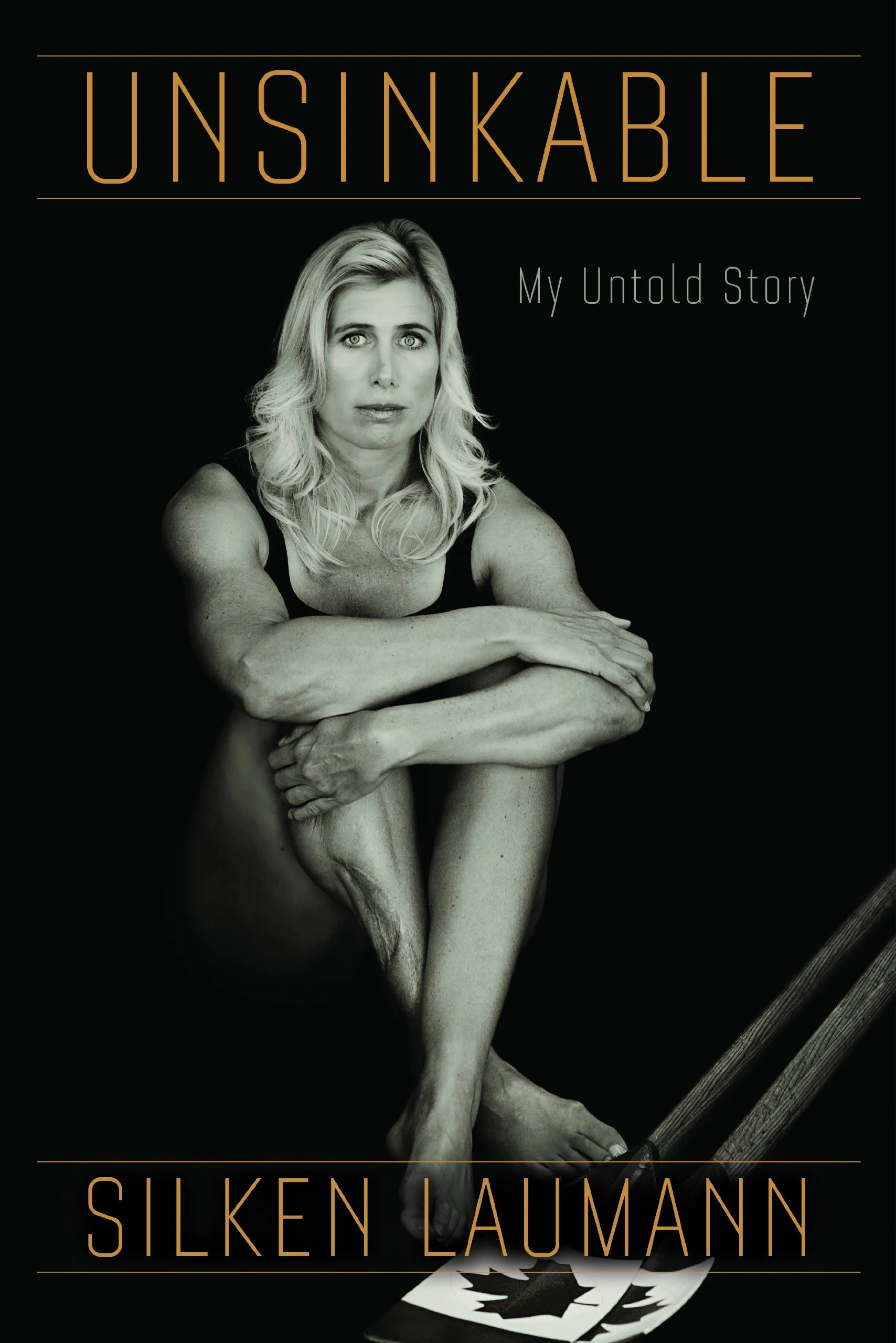
Silken Laumann
Olympic medallist, bestselling author of Unsinkable, and host of the Inflection Time podcast. Keynote speaker on resilience, and founder of the Unsinkable mental health platform.
This episode is supported by GoodLife Fitness and Tall Boy Water .
One story, once a week, from someone who has been through it.
A short letter about a moment that changed someone’s life, what it taught them, and a question you might carry into your own week. No course launches, no countdown timers.