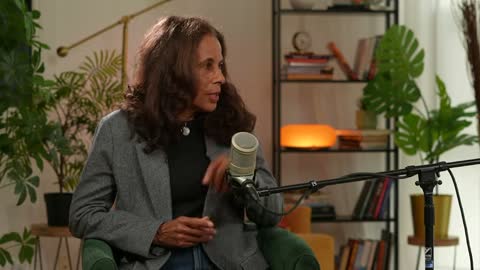
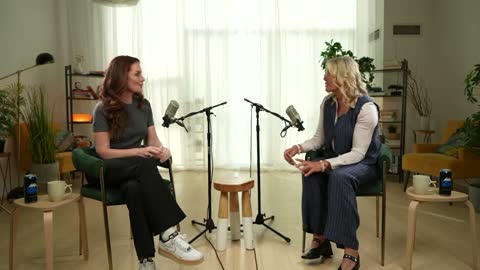
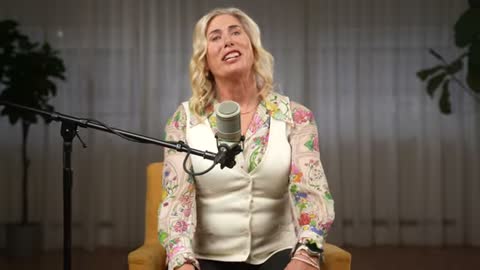
Caitlin Morrison: Loving Matthew Perry
Caitlin Morrison knew Matthew Perry as her funny, larger-than-life big brother long before the world knew him as Chandler.
“But I decided, you know, the only way for me to be me as a person is if nobody knows.”
Transcript
Speaker names are being checked and will appear here soon.
00:00 Meet Caitlin Morrison
Welcome to Inflection Time. I'm Silken Laumann. Every life has turning points, those moments that change everything. In this podcast, I sit down with remarkable people to explore the challenges, choices, and unexpected events that shape who we are. From heartbreak to triumph, fear to clarity, these are the stories that remind us that growth isn't linear and meaning is often found in the moments we least expect. Inflection Time, and covering the moments that make us.
This episode, I sit down with Caitlin Morrison, who is Matthew Perry's sister. And we talk about identity, finding your identity when your brother is so famous. We talk about grief, the grief of seeing somebody you love in the throes of addiction, and the grief, and having to go through that grief of losing your best friend, your brother, and doing it in such a public way. I hope you enjoy this episode.
Welcome. Thank you so much. I'm Caitlin Morrison. And you are the CEO, I said, but you're actually Executive Director of the Matthew Perry House, and also involved with the Matthew Perry Foundation. Thank you so very much for having me. And also, I think I'm going to be CEO from now on, because that sounds so much better.
There's a lot of power in that, you know? Right. People will be like, oh, she's a CEO. Stand up a little bit straighter. And then you could get a CEO wardrobe and maybe some benefits, you know? That is a good point.
But you're in the not-for-profit. Maybe I'll make more money. Things don't work out that way. So, you know, I almost hate to frame it this way. You are Matthew Perry's sister.
01:54 Finding her own identity beside a famous brother
That's right. And why I say I hate to frame it that way is because you have your own identity. You have your own life. But you are the sister of a very, very famous person who sadly passed away a few years ago from addiction. That's true. And, you know, it's got to be strange in a way, having your identity as Matthew Perry's sister.
How do you, you know, obviously you've been his sister for a long time. I sure have. And he was a great actor and a great comedian, almost right from the get-go. But Friends, in his role as Chandler on Friends, really just like eclipsed it, right, to a whole different level. So let's start there. You know, you're a family.
You're growing up. I don't want to say normal because there's no family. There's no family, so they're normal.
And then one of your siblings has this breakout success that puts him just in like a different kind of place than you could probably all could have imagined. So what was that process like for you and for your family? I'm going to speak for me because I feel like the rest of the family might feel the same way. They might not. Yeah. You know, we get a point.
Right. So before the Friends and the Fame and all this stuff happened, he was our big brother. Yeah. And we all thought he was, you know, coolest of the cool, amazing guy. He was already a grown-up by the time we were sort of forming significant memories as kids. Okay.
Because how much older was he? 12 years to me, and I'm the oldest of like the bunch underneath, right? So for my youngest sister, Madeline. You've been 12 years a long time when you're 14. My youngest sister, Madeline, was born when he was 20. So there, you know, there's a gap.
And so we always had that cool big brother, funny, wonderful, we want him around all the time. And when he started to act, you know, I was really young. And I wanted him to do well, and I got so excited and thought it was so awesome that he was an actor. So I would tell all the kids in school, you've got to watch him on the show. So, you know, you've got to do this. And I was like his little kind of PR agent.
Oh, you were like his publicist. His little publicist, yeah. And then Friends happened. And before the show actually aired on TV, before anybody knew how it was going to do,
04:39 The Friends pilot, and the day the playground knew
I got a VHS tape of the pilot that he had sent to our house in Toronto, here in Toronto. Yeah. And I brought it to my school, and I asked my homeroom teacher if I could play it for the class. I think I was in 7th or 8th grade at the time. This is my brother. Can we play this?
This is my brother. He's got a show. And everybody watched it, and they thought it was pretty cool. And then several months later, the show had been on. It rapidly became hugely, hugely popular. And he came into town.
He was doing a press junket or something, and he came to surprise me. It's cool, and take me out to lunch. And he showed up. And at first, it was very surprising for me, exciting. We gave each other a hug. And then one of the kids from across the playground screamed, shrieked, it's Chandler.
And all of these little 12, 13-year-old people started running at top speed and mobbing us. Yeah. And I realized that it was going to be that. It was going to be, I'm Matthew Perry's sister. And so for a very long time, I didn't tell anybody. I would tell close friends because they would come hang out with family and things.
Yeah. But I decided, you know, the only way for me to be me as a person is if nobody knows. Very smart. And that lasted a long time. At that time in your life, right? Yeah, exactly.
And, well, also I would think people would want access. I mean, I don't know, did you have that awareness at that age that people would be asking you, oh, could you get your brother to do this, or can you get your brother to that? I was the most uncool person in school. Okay, the most? Yes, absolutely.
The most, the cool people didn't even. So he was like the coolest and you were the most, you know, quite a range of family. Right? The cool people didn't even pay attention to me enough to make fun of me. Like I was just invisible uncool. And I knew if I told them, they'd go, oh, now you're going to be cool.
But I wanted to be cool for me. So I didn't tell anybody. And then I was in like this weird place of, well, no one likes me or notices me, and that really sucks. But I don't want to, you know, I don't want to cheat to get people to know me. Like take advantage, it felt like, of that relationship. But then you make good friends eventually.
You were so proud of him. So proud of him. And I was just even talking about it before. Like he was my amazing big brother. Like, you know, your whole, all of the kids looked up to him. One, because he was older.
But it sounds like he was like really funny and really cool. He was really funny and really cool. I was so proud of him. And it was almost like this secret magical world that I knew about, you know, the Hollywood mansions and the parties and all this stuff that you get to go see that most people don't get to see. And it was like, I have that kind of second life thing. I was also very jealous of him because that's a pretty cool life to have.
Oh, that's very honest of you. Well, that's true. Yeah, because he had this what appeared to be magical life, like, oh, I'm going to the Vanity Fair party or, you know, I'm doing E.T. Like, you know, things that more and more kids are attracted to, right? Like I think that's that pop culture, that television culture is more and more prevalent. And people sort of see that, oh, if you've made it there, you've made it anywhere.
But you were also seeing, he was still your brother. Like, so was your, okay, you're jealous. I mean, that's super honest. But like lovingly jealous. No, no, it makes me think about my own siblings because I had my own mini version of that as an Olympic athlete. And, you know, coming back and then like literally people I passed on the street stopping me and going, oh, my God, you're silken lamb.
And then like hugging me and like all these really, you know, unprompted reactions. And then suddenly my siblings were getting access to me because I was just flying from one end of the country to another. And, you know, people asking them, oh, could Silkeam sign this? Could she go here? Could she go there? Can you go visit the school that, you know, my son is in or whatever?
Like, so it changes the relationship a little bit because he was living in a different world than you were. Yeah, for sure. A little bit, though. Like, you know, most of it, I think, stays love. I hope that it's with your siblings, too. Yeah.
You're all adjusting, though. It's a new reality, right? Yeah. You're all adjusting to that new reality. Yeah. That's not just public space, I don't think.
I mean, every family has a, why can't you be more like your brother? Why can't you be more like your sister? Why are you working in a restaurant and they're getting their third doctorate kind of a thing, right? Yeah, yeah. Exactly. It's true.
The comparisons that you're not supposed to make as a family, invariably, you do a little bit. And you kind of got this pretty rare glimpse, if not, you know, actually front view. And I always think about how messed up it would be to live in Hollywood, to be a movie star and have no privacy.
09:51 Helicopters over the backyard
How quickly did that unfold for him that you were aware of?
Like, how quickly did he notice it or how quickly did it happen? What did his life change, you know, and did the privacy go away and that sort of, like, the notoriety create, you know, more stress in public situations, you know, where people recognize you in the grocery store. I mean, I remember people recognize me in the grocery store and, like, I'd hide my potato chips, like, underneath the broccoli, you know, because I'm an Olympic athlete. I'm supposed to eat perfectly and, you know, be this healthy, wholesome woman. Yeah. I love potato chips.
Yeah. Yeah. Oh, gosh, when people see what's in my cart sometimes. Why are you buying 17 ice creams and nothing else? For the kids. You can always blame the kids.
Oh, that's true. I never think such a blame them. But then I'm a bad mom buying my kids all those ice creams. Oh. Right? Anyway.
Now I'm thinking about ice cream. Darn it. Actually, so am I. Vanilla is my favorite. How boring is that? My daughter's favorite is vanilla.
Because it's just perfect. Vanilla is perfect. You can really taste. The cream and, like, all the flavors. I feel like when you start putting cookies and cream and all that stuff, I just ruin ice cream. Wow.
There you go. Well, maybe you're a club of two in the world. You and Maggie. The, the, I think, first of all, he had a little bit of practice. So he had kind of a many years career in pilot episodes of things and guest starring roles and stuff and little bits in movies here and there. Yeah.
So people had that sort of thing that, and you might get this sometimes too, of, I know you somehow. You're, oh, I'm not sure who you are exactly, but I'm pretty sure I know you. And so he got that. But the friends thing was almost immediate. He bought his very first house. He'd been an apartment guy.
He bought his very first house maybe half a year into the show, something like that. I can't remember exactly. And I went over to see it with the rest of the family.
And that very day we were outside looking at the backyard and helicopters started flying over because they were wanting to film wherever he was. Right? Yeah. So it was, once the friends thing hit, it was very in your face, like famous, no privacy. Kind of scary, isn't it? Kind of scary.
That a helicopter could go over. Yeah. I don't think most people fully realize how much actors and people in the public I give up in terms of like what that toll of not having personal space and personal privacy. The fact that you can be in your backyard and there's a helicopter, it's almost unfathomable for most people. Yeah. And I think a lot of them loved it because it made them feel like, you know, valued and loved and validated.
Validated. And I think everybody in a little bit wants to at least experience that feeling. And they love your work. People just loving you. They're saying that they love your work. Yeah.
Something that, you know, he cared passionately about. I also think it caused him a lot of anxiety because that's kind of nerve wracking to no matter where you go, people are watching you. Yeah. Right? They're just sort of looking out at the side of their eye and whispering, look who it is over there and can I take my picture with you? So a friend of his very recently told me a story about when they were, you know, soon after friends, they were, you know, they were close friends with each other.
They were for a long time. And then he one day said, you know what I'd really like to do right now? I'd like to go to the mall to be recognized. But let's take a handful of pills first.
Because it was like it was fulfilling and a wonderful feeling. But there needed to be something to take the edge off of the anxiety. How old was he at this point?
20-something? Yeah, so not that old. Not that old? Because I think like we have no, and we didn't have as much language even around self-regulation and, you know, introversion and what a person needs who might have a tendency towards introversion or, you know, what tools you could use to, like all of those things have been pretty recent. And I know how I felt when I almost felt like I love people. I love talking to people.
When it becomes relentless, when people are recognizing you not for necessarily who you are but how they perceive you to be, then there's like, there's almost like a disadvantage they have, that you have over them because they know more about you than you know about them, right?
14:49 When people need you to be the character
And then there's also got like Chandler's funny and he's got like, you know, he's got like that comic timing and like always says the right, the funny, but he's also got like this big open heart. He's this wonderful, larger than life character. And, you know, I wonder if he felt pressure sometimes of like having to be that person. Because I certainly know that like having been an Olympic athlete, again, totally different kind of fame. But like, I do know the experience of being recognized for something that people think you are. You're always optimistic.
You're super courageous. You're like, you don't eat potato chips. I was just going to say, oh, it's so good to see you. I've never met you before. Inspire me. You've got to make me feel inspired right now.
You've got to be doing all sorts of great, you know, athletic stuff and looking so wonderful. And do not be in a bad mood. Like don't, don't ever be in a bad mood. Don't ever react negatively to anything. It's a lot of, I imagine. It's absolutely true.
You've really hit the nail on the hair, Caitlin. I think probably anybody in the public eye feels that pressure. There's not room to be who you are in that moment. So I was sometimes, you know, especially with my kids, you know, distracted or overwhelmed or. You're hungry a lot of time, just needed a sandwich. Everything would have been different.
But then people want you to be different and they don't actually want you to show up authentically. They want you to show up as Chandler. They want you to show up as that motivational Olympic athlete who never gives up and has so much courage. But you're like, actually, I'm having a day where I'm really anxious and I don't feel like I have a lot of confidence today. And I just want to sit in the corner quietly and have a real conversation with one person. Yeah.
And you can't do that. So for Matthew, I mean, that started young and it just was relentless. It just went on. And I don't know, I guess it, you just, does your world just close? And you've got to find the very specific places that you can be who you are. I mean, you know, I'm asking an impossible question in a way because I'm asking.
A little bit. Well, yeah. Yeah. But did you observe like how he had some strategies on how to feel comfortable and safe when he wasn't in the public eye? Yeah. Well, I mean, he had a very comfortable home always.
Sometimes that's a multiple word. Sometimes homes, right? Mm-hmm. So he always had very wonderful relaxing spaces around him. He always had good friends who come over and play video games or trivia night or whatever. He could be himself.
And I think he really did genuinely love the attention. Yeah. I mean, it worked for him personality-wise. Mm-hmm. We all have our moments, but I think for the most part he liked it. Mm-hmm.
But the thing that I've noticed lately, because I'm only now, and I'm only getting a glimpse of it, but I'm now starting to get a glimpse of the, let's say the ulterior motive that some people have when they're kind to you. So most of them, almost my entire life, 40 years plus, right? Mm-hmm. If people are nice to me, they're nice to me because they're nice to me. Yeah.
There's no reason for them to do that unless they actually want to be nice. Right? And I try to be nice to people, and it's always for good reason because I want to be, you know, I'd rather have somebody smile after talking to me than feel sad.
But in the past couple of years, sort of doing this work, and almost being like a little bit of a representative for him, Mm-hmm. Mm-hmm. I've noticed that there are, it often happens, it sometimes happens, that there are people who will be very nice up front. Mm-hmm. But they actually are just waiting for their moment because the whole time they just wanted to ask for something.
Mm-hmm. And if the answer is no for whatever reason, even if it's well-meaning, Mm-hmm. Mm-hmm. They'll immediately flip to, you know, showing what they actually were feeling the whole time. Mm-hmm.
That's so disappointing. It's very disappointing, but also it's something that I realize now that he lived with. So the one thing I used to judge him about with the fame and all of that was I would look at his life and I would say, I know, you know, fame is obviously hard. I don't really know, but I understand. Mm-hmm.
But it's pretty charmed life, you know? Mm-hmm. You want for nothing. You work a couple of hours a day doing a really great job that you love very, very much. Yeah. Everybody thinks you're wonderful.
You, you know, and sometimes you're kind of not the nicest to certain people. Mm-hmm. Right? Mm-hmm. And then I, but now I kind of am starting to understand that that was like a, almost a, and this is my theory now, I can't talk to him about it, but almost like a little test. Like if I am not the nicest to somebody and they react to that, they call me out on that.
Mm-hmm. It's almost like they're acknowledging that they're going to react for real to me about things. Mm-hmm. And it's going to be hard, like, you know, I totally know what you're talking about. Right? Anyway, I imagine you do.
Yeah, yeah. And I mean, I think what it did to me at least is close me off a bit. And maybe that's what you're noticing your brother, I don't know. But just like there was like, I am such an open-hearted person naturally. Like I really, you know, really want to know what's going on in your life. And I really want to support you.
It just, you know, and yet that's, so that's this energetic give that just comes really naturally. But there's just a point you can't just keep giving and giving and giving. And sometimes you have to say no. And you also, you know, have to brush by somebody's comments or conversation because you just don't have the bandwidth. But then like there's this other piece and I just kind of wonder like you growing up, you know, with this famous brother and just trying to live your life and be recognized for who you are as a person. And now that you're experiencing some of these things that maybe gives you a bit more like perspective on what your brother might have been going through.
Like, how are you dealing with that? Because it sounds like growing up, you didn't have that affirmation of having all these people think you're great or, you know, like the popular kid in school. Then you're coming into your own as an adult, you've got kids, you know, you're, you're, and then there's these friendships, friendships that you realize you can't trust. So how does that feel? Yeah. Well, I mean, it never, it never feels great when you, when you notice that, you know, somebody's not genuine.
But for the most part, people are, are wonderful.
And I. We were just talking about the, that this morning, you know, like we are told that the world is a terrible and scary place every single day in social media and all those other things. But most of us actually, if we're really looking, experience the world as most people are kind. Yeah. I'm excited to share that Ventum Financial, a sponsor of Inflection Time, has launched their new podcast called Relevant. At Ventum, they believe that sharing someone's story is a privilege and Relevant brings those stories to life.
It's where leaders, creators, change makers share ideas, shaping business, culture, and the world, one conversation at a time. I'll be joining Relevant for an episode to talk about resilience, optimism, strength, and how these qualities help us grow through change. I hope you enjoy that episode. Check out Relevant by Ventum Financial, where people are discovered. Yeah.
23:10 Turning 42, and new pieces of someone you’ve lost
I mean, I spend a lot of time and I, I joke sometimes that there's that Hitchhiker's Guide to the Galaxy thing. If you're a fan of the Hitchhiker's. I have read it. Where the, where the answer to life in the universe and everything is 42.
Okay. Yep. And when I turned 42, I, for some reason, out of nowhere, I feel like I hit this sweet spot where I was more confident than ever. I felt happier than ever. I felt like. Girl, you just wait.
Floating on a cloud. You just wait. Oh, well. I don't know if that. Oh, good. It gets better.
Oh, I love it. I love it. Yeah. But anyway, so I, I started telling people that maybe, maybe that, that came from somewhere. Yeah. That's why the answer to everything is 42.
So I have this remarkable life and honestly, as annoying as it is once in a while that somebody isn't genuine, it's water off the back, you know, water off the back of a duck. But what I'm grateful for is the fact that it, it sort of gave me this insight into something that was real for him, that it was like a new piece of him. You know, when you, when somebody had a perspective that you didn't have before. Yeah. When somebody gets, is lost in your, in your life, when you, you don't get to see them ever again, there's a, there, there's a real gift in little things that you get that you didn't have before. So little insights into who they were or stories from people about things that they did together.
Just any, like you kind of amass this collection of other little pieces you didn't have. Yeah. I'm sorry you lost your brother. Thank you. Yeah. Yeah.
And I think I hear what you're saying. You're looking for missing pieces maybe, and like pieces that you didn't know about to put another sort of, like you said, a, a, um, collage, uh, you know, but you can keep and, and treasure cause you have your own memories of course, and experiences. But when you hear what other people say, and I, I had a very powerful experience when my coach passed away suddenly, and he was so influential in my life. He was like the voice in my head. Like anytime I did anything athletic, I could hear his voice and he died suddenly of a heart attack. And at his, um, celebration of life, all these people came forward outside of the rowing community.
I mean, he had a life outside of rowing. Who knew? They told these amazing stories of him and the time he took to mentor photographers, his head photographer at the Miss Sugga News and how he always took time for the younger guys and how he had inspired like so many people. And that just felt so comforting to, to, to know that. And, um, you're keeping your brother's, you know, life alive in other ways. The real thing is, I know that, I know that the thing that really made him feel the best, that really, that really brought joy to his heart.
And it's because we talked about it and I got to watch the evolution of him actually getting to a real place of joy, which was, I'm so glad I got to do that. But the thing that brought him there was openly and as much as he could, there's anybody who came to him and said, I'm struggling. Mm-hmm . He would try to help them. And when he, you know, when he would talk about, when he would go and talk in front of a crowd of people about the things that he, he was dealing with. Because he was so open about alcoholism, so open about addictions.
Yeah. Like, it was- But that brought, that made him feel great. That was, I think- Had purpose. More purposeful than, you know, being the guy who comes into your living room and making you laugh or, or having awards or fancy things.
It was, it was the real deal thing that I think he'd been kind of looking for. And so, to keeping the mask going. Well, he had no suffering too, right? Like, you know, of my own story, I've had my own suffering and-
I think there's, it's terrible to suffer. It's terrible to go through any kind of trauma, right? And his alcoholism, some of the things that he experienced, obviously, it had hurt him so much. But his desire to help others was, it sounds like it just became the biggest purpose of his life. Yeah. Yeah, it did.
27:51 Drinking at 14, and what it means to feel stuck
How does, you know, I was a little surprised when he wrote that he'd been an alcoholic since he was 14. Does that feel, that's what he said? And did you observe that? Or you were too young? You were four. Well, actually, I think I, there might have been a little bit of hyperbole in that.
Yeah. Or you'd maybe been drinking since he was 14. Exactly. So, and this is pretty common in terms of the, when you, when you talk to people who are in recovery or thinking about it or exploring, you know, having gotten to a point in substance use where, I like the way one person says it, where you feel stuck. Where you feel like you can't get out of where you feel like you can't get out of where you are with it. Okay.
Part of getting out of it is reflecting on what it's meant to you. What, how it impacts you, how, how you feel about it and how you can kind of identify those things as part of a disease. It's like you're telling your story almost. Yeah, yeah. Part of, part of figuring out what it is that's going on in here to, to make you feel like you're, you've become stuck. Mm-hmm .
And so you, you talk to people and, and, and often you'll, you'll hear this and, and I've been, I, you know, I've gone to a lot of meetings for the sake of trying to understand and all that stuff. Mm-hmm . Um, but you, you, you hear about this notion that, that people sort of feel that they can identify there's always been something different. About their relationship with the substance than your average person. Yeah. Um, and the way that, the way that, the way that, uh, Matthew, I call him Manu, so I might say, I might say Manu.
Yeah. The way that Manu used to describe it to me is he, he took a, he took a drink. His, his first drink was out of a bottle of wine, like a, you know, out of the bottle. That's something about right. Behind the schoolyard with a couple of friends of his. Yes, yes.
And he says he laid down on the grass and he looked up at the sky. Mm-hmm . And he just had this feeling of, oh, is this like the feeling all right and good thing that people talk about that they just normally feel all the time? Like, is this what I've been missing all along? Mm-hmm . And you hear that kind of as a, as a, as a common trope.
That it's like, there's a difference in the relationship. There's a difference in how it makes you feel. In the relationship. See, so I'm just trying to understand this because. Yeah. Uh, I know for, for myself when I first started antidepressants.
Mm-hmm . Um, after about four days I was sitting in a hotel room and there was like this bucket of ice and the bucket of ice sort of dropped and made this like, you know, crashing sound. Mm-hmm . And I just looked at the bucket of ice. Mm-hmm . And normally, four days before I would have jumped.
Mm-hmm . And my whole nervous system wouldn't go like that. And then I was like, oh, this is what it's like to feel normal, I guess. Yeah. Is it that kind of thing or is it, this is giving me access to something I've never felt before and I want more of it. Like, like to me it's like, do you think something inside, I, I'll only say Matthew because.
Yeah. Like I don't want to talk for everybody who has addiction issues. Maybe, you know, their chemistry or whatever and that, that I'll call them filth. Sort of. Or try to understand this.
31:33 Pitchers, catchers and a faulty mitt
Yeah, yeah, yeah, totally. Um, and I'll, I, is it okay if I get a little bit sciency but I'll be quick? Yeah. You can, I'll try to follow. All right. So this is not, I'm not a scientist but I, I have spoken to a lot of, uh, the, the neurology, the brain, the sciences of the brain people.
Yeah. Um, and they've given me a lot of information. So I'll, I'll start by just having you keep a question in your head. Okay. You, you gave, you gave me the example of the ice bucket crashing to the ground and it didn't create the same thing. Mm-hmm.
Did that make you want to stop taking your antidepressants? It wanted me, made me want to keep taking my antidepressants. Right. And it showed me that they were working. Yeah. Doing something.
Yeah. So I'll, I'll leave it, I'll leave it there. Mm-hmm. And then I'll tell you about the science of it. So there are a lot of different chemicals that move around in our brains. Mm-hmm.
And the system is essentially, you know, a network of pitchers and catchers. If you, if you'll allow me to use baseball. And in order to feel happy, certain chemicals, I'm going to use dopamine because that's one of them, but there are other chemicals too. Certain chemicals, the pitcher has to throw them, the catcher has to catch them. Yeah. And when that happens successfully, you, you feel happy.
Okay. And then, some people are born and their catcher's mitt's a little bit not great. Mm-hmm. So the pitcher will throw the happy chemical, the dopamine. Mm-hmm. And the, it, more often than not, it drops.
And so they don't, like, that just leads to almost a, you feel like this is normal, but it leads to not feeling quite as okay and happy as everybody else does. But you don't know that your mitt isn't working great. No, because you never felt it either way. You just assume that everybody is, I don't know, faking it? Or, like, why do they seem to be more okay with life the way it is than I, all that stuff? Mm-hmm.
And when people who have that particular, you know, one of those particular chemicals, one of the happiness chemicals. It's a great system, yeah. And it, and it's, the catcher's mitt isn't working very well. When they take a, a certain substance, so it could, alcohol, it's an opioid, different for everybody, right? They take one of those, and the pitcher starts to throw, like, 50 balls a minute. Mm-hmm.
And they, because even with a faulty catcher's mitt, you're now catching at least as many as most people do. Mm-hmm. You feel okay for the first time. You feel fine for the first time. Yeah, sounds exhausting, though. It, well, yeah.
But you just don't want to stop, once you've realized what that is, once you realize what you've been missing, you want to keep feeling that thing. Mm-hmm. And you, and you know, I had to take this thing to feel this way, and so I'm going to keep taking this thing. Mm-hmm. And then, because of the way that things work, you have to take more, and more, and more, and more, and more, to get the same experience. Mm-hmm.
Mm-hmm. Because you develop all these, you know, brain tolerances. The really great news, though, that I heard when I was learning all of this stuff from people who were really good at turning complex science into, I could understand it. Yeah, picture. Right?
Yeah. Um, is that when you stop taking that, that chemical, the, what first happens is, is horrible. You just, you can't feel okay. You just can't. Mm-hmm. The, throwing that one ball every several hours again, it's like, you're not catching it.
It's not, it's, it's, this is basically broken now. Like, totally. Mm-hmm. And so, that's why people, that's why it's so difficult to get to a, to get past it. Because, because you're walking around all day feeling like the world is ending, in your heart. Mm-hmm.
And the, the only, there's only one thing that can make your world not feel like that. And what, what are you gonna do? It's actually a beautiful description because, you know, people who don't understand addiction, and alcoholism, and, you know, well, why would you take a drink? You know, when, why would you start again? Right?
Mm-hmm. If somebody told you, you could never eat chocolate cake, would you be tempted to eat chocolate cake sometimes? Absolutely. I mean, I've tried to give up coffee. Yeah. Which is not nearly as addictive as alcohol, right?
Right. And, and it's like, you do fine. And then, one day, you know, the environment's just right, you're tired. Mm-hmm. And suddenly, you find yourself drinking a cappuccino, and you're like, I, I know this isn't good for me. Mm-hmm.
I remember hearing Matthew talk about it on an interview about, well, actually it was an interview, I think he was opposing some regulation around not supporting recovery. And he said, you know, my choice is a first drink. After that, it's not a choice. Like, my body is gonna go somewhere your body is not going to. Mm-hmm. I think understanding that, well, first of all, just so many things you've said so far, Caitlin.
Like, one is, like, we can't really understand each other's experience. Like, we can try. Mm-hmm. I'm listening to you. I'm trying to imagine. You know, you're listening to me, you're trying to imagine, right?
But we all, we all are different. So, as much as we try to be empathetic and non-judgmental, we do what make up stories about other people. Mm-hmm. And then you could look at Matthew's life and say, it's perfect. Like, come on. Like, you know.
Right. Like, why would you not, why would you not be happy, right? Mm-hmm. Like, oh, if you have money and you have family, you have a job you like, you should be happy. And so, it doesn't work that way. I mean, yeah, it's probably great to have all those things, but it's so much more complicated than that.
Mm-hmm. And, you know, even beyond the addiction piece, right, it's about mental health, it's about the right chemistry, it's about, you know, your own self-awareness, unconditional love. Like, you start to throw these things into this hopper of experience. And it's only, I think, later in life that maybe you put some of these things together. Like, you know, for me, medication was a piece, you know.
I would always try to go off the medication because, like, oh, I'm fine, so I'm gonna go off the medication because medication is bad, you know, in my head, right? And then, finally, I just reached a place, but, like, later in life where it's like, I need medication. And the right of medication, for me, is exactly the amount that I need. Mm-hmm. So that's one piece, right? And then the self-awareness and understanding how maybe my childhood impacted my whole sense of what I thought was true but might not be true, you know, in terms of my worth.
You know, I tied my worth into accomplishing. And I think a lot of high achievers are like that, right? Mm-hmm. If I accomplish this, then people will think, whoever those people are, you know, that I've achieved or, you know, me on my own without my achievements. Mm-hmm. It's nothing.
Yeah. Yeah. You don't get there at 20, you know? Yeah. You know? You know, so, like, all this stuff's happening to your brother.
It's, you know, you're having your own thing.
39:13 When Caitlin first saw there was a problem
When do you think you saw this is a problem, this, his drinking is a problem? If I had been more world-wise, I probably would have noticed it sooner than I did. Yeah. Because, you know, there were moments here and there when I, you know, like one time I, young teenager visited him at his place. He was very into these orange smoothie things at the time and I had a sip of one of them and I was like, oh, there was something in that orange smoothie. Yeah.
And it was relatively early in the day. It's kind of like an orange popsicle. Right? That's, that's not just an orange smoothie. Yeah. But I didn't recognize it really as being an issue.
He was very, you know, he was a very good actor. He was very good at keeping all that stuff under rot too. Yeah, socially acceptable too. So I actually didn't notice anything was an issue until he actually the first time went to get treatment. And then I sort of became embedded in this world of wanting to know more about it and learning more about it. And, and, and, and I think from then on, I sort of would continue to, to notice it when it became more of an issue, but, and it was kind of ebbed and flowed throughout life.
Right? He went, you know, and, and I can relate to this too, because I have a, you know, extended family member whose two sons have both had terrible drug addictions and, you know, mortgaging your home and like the suffering that that created in the family. And it's been so profound and, you know, Matthew was in and out of treatments so much and he was, he was sober for periods of time and, you know, not using substances for periods of time. Like what kind of roller coaster is that? I mean, you would have observed your parents during this time, you would have had your own, you know, ups and downs through his journey. Yeah.
41:21 The helplessness of loving someone in addiction
That's, I mean, that's a very broad question. Mm-hmm. And there are a lot of pieces to it. I guess, you know, it's always, it's always difficult to watch somebody going through something where you, you want to be able to help them out. Yeah, change it, fix it. But, but it's not a thing that you can actually help with.
Yes. I can't say to you, well, you have to keep taking the medication that, that helps you. Mm-hmm. Because. It's helping you. Because it's up to you.
Yeah. And if I watch you go through something because you decided not to, I'll hate watching you go through the thing. And part of what sucks about that is not just watching you suffer, but also feeling helpless to do anything about it. Because I know that I can't do anything about it. Yeah. And it's that same sort of feeling of, you know, I think that this is probably common to all families who have seen substance use harm someone they love.
But it's the, it's that kind of ebb and flow of worry. And the, the worry about the person gets coupled with a frustration. Yeah. Because if you don't live with, if you don't understand what it is, you know, we were talking about that before, that we can't really understand. Yeah. If you don't understand how it feels to not use a substance.
Yeah. If you have become dependent on that substance. Mm-hmm. Then it doesn't matter how empathetic you are. You're, you will think, why don't you just stop it? Yeah.
Just for crying out loud, look what's happening. Yeah. Stop. Uh, and. It's like I'm depressed. But they can't.
Stop it. Yeah. So then you feel worried, but you also feel frustrated, but then you feel guilty because you feel frustrated. Mm-hmm. And it becomes a, a terrible cycle. I mean, we don't have to deal with what a lot of families had to deal with, which was, you know, people, as you say, people have to mortgage their house for treatment.
Mm-hmm. And he, he had his own, you know, he didn't, he didn't entirely run out of money. Mm-hmm. He did the best he could. Mm-hmm. Um, but he was able to send himself to whatever place he needed to go to.
Yeah. Yeah. Yeah. Yeah. Yeah. Yeah.
That he couldn't get past a certain point. In, like he would, he enjoyed his periods of, of, uh, sobriety. And he had a long run. But then he, he had a couple of long runs. He had several long runs, but it would get to a certain thing. And he used to say, you know, I never, the, the, uh, the colloquial term is go out when
you, when you go back out and you, you use again. Uh, I never go out on a bad day. It's always just a sunny random day and everything is fine. And why not? Let's give it a go. And that's kind of a common thing that you'll, you'll, you'll, somebody will hear.
So as an Olympic athlete and the founder of Unsinkable mental health charity, I know the power of a supportive community in reaching your physical and mental fitness goals. That's why I love good life fitness. It's more than a gym. It's a place where you can really thrive and find connection. As a special thanks for joining today.
You can experience it yourself with an exclusive seven day pass to any good life fitness location across Canada. Visit the link in this podcast description for access. All of my podcast guests have shared the importance of physical activity in their lives. Together, let's build a healthier and happier Canada.
45:25 The brain can heal
What I know from, again, that science thing, what I've learned is that that catcher's mitt problem, not only will over time the brain correct itself to working as well as it used to, but doing that correction, it will actually start working better than it ever did before. So when people allow the brain the time that it needs to heal, which is years to be honest, but when they allow, when they are able to allow the brain that amount of time to heal, you'll start to, the people will start to feel that level of happiness that Matthew did the first time he had a sip of wine and lay down on the grass and looked up at the sky naturally. But it takes a lot of time and the way that our system is set up.
So our system is what, they give you six weeks, three months? They give you six weeks, a few months, and it's not free. And that's another, you know, why is it that, why is it that if I, you know, if I develop any other condition of the body, I can get that treatment? I mean, it's bizarre when you think about, like, I'm thinking back to COVID, you know, and, you know, you couldn't go to a fitness club, you couldn't go to a park, but you could go buy alcohol. Right. It's just like, you know, there's something very wrong here.
You can feed people's addictions, but you can't actually let them release the stress they need to release by going to a park and riding their bicycles. I mean, that was so upside down. And I thought really, kind of shed a light on what our values are, that taxation of alcohol is more important than, you know, people's mental health. And why not use that to help people recover when they need recovery? So do you do some of that? Do you do some of that, like, kind of, are you now lobbying in Ottawa?
You said you wanted to meet the Prime Minister? Well, he's pretty cool as Prime Ministers go. Mr. Carney, if you're listening to this, I'd love a personal meeting. That sounds very inappropriate. But I don't mean that inappropriately. Well, what would you say to Mr. Carney, what would you say to our Prime Minister?
I'd actually be more curious to hear what he had to say than trying to pitch him on something. Okay. But anyway. About addiction? About everything, about stepping into a political role after years of essentially being an egghead and trying to figure out the world and all that stuff. He's doing okay.
Right? He's doing pretty freaking well. Yeah. But anyway, I don't remember where I was. Well, we're kind of talking about, you know, addiction and the toll that addiction has on families. Oh, yeah, yeah.
You were asking about it. Yeah, yeah, yeah.
48:10 Canada has no standard of care
I mean, I try to speak out about stuff like that. You know, the thing I think that Canada needs the most, and this is where most of the efforts of my job go. Mm-hmm. At Matthew Perry House. At our organization, Matthew Perry House, is that Canada doesn't have a standard of care for substance use, health. There is a standard of care for health.
Mm-hmm. So, you know, you know that if you go for, if you say you have diabetes. Mm-hmm. You know that you're going to be able to access a doctor. Mm-hmm. You know that you're going to be able to access the medication you need.
You know that you're going to be able to access treatment for any side issues that arise because of diabetes. Mm-hmm. You know that if you go to a party and you say, I'm not going to eat any cake, and somebody says, well, why aren't you eating cake? And you say, I have diabetes. They're not going to judge you for that. Oh, come on, have a piece of cake.
Yeah. Right? Oh, just have one piece of cake. Come on, come on. We're all eating cake today. Yeah.
But, but there is, there isn't a standard for, for substance use health. I could, I, Caitlin, I could open, I could open a treatment center. Mm-hmm. I could say, for 30 grand, you can come to the Caitlin Morrison Center for treatment and recovery for a month. 30 grand for a month. Mm-hmm.
And then I could have somebody sleep on my couch. Mm-hmm. And, I don't know, every once in a while go, hey, you're in treatment. Yeah. And I could collect that $30,000 and send them on their merry way and do nothing for them. And I could still legally call myself a treatment provider.
Mm-hmm. And imagine you're, you're mortgaging your house and you have to take the gamble on- Yeah, what's the standard here? How do you know what a good place is? How do I know what a good place is? You know.
How are they measuring it? How do I know, if I'm paying a hundred grand to go to a place in Muskoka, does that mean that they're better? Or does that mean that they- Maybe they have like, better food. Yeah. So, so I, so the standard of care I think is a very key thing that people who are seeking support deserve.
Mm-hmm. And also their families deserve. I don't think, you know, I mentioned that helplessness thing. Mm-hmm. Part of the helplessness is you can't really, any, any doctor, anybody who knows anything about treatment will tell you that unless somebody says, I'm ready, I need help. Yeah.
Yeah. That it's, nothing is gonna work. Not gonna work. So once, so you- And that's a hard truth. That's a really hard truth.
That's a hard, it's a very hard truth. Yeah. But once you have, if you've loved somebody, you so desperately wanted them to finally be willing, and they say, I'm willing, I'm finally willing, you shouldn't then have to enter like this lottery guess of which place is gonna be a place that actually- Lottery guess, and also like, the money, I mean we say this in mental health too, right? When somebody's ready, when they finally realize they need help. Yeah.
You know, it's not like the system is right there for them. Mm-hmm. You know, to get psychiatric help in this country can be very, very hard unless you're in the emergency room. Yeah. So, you know, and talk about like the range of care too, you know, you can have counselors that have very little training, you can have counselors that have a lot of training. So it's this idea of like being there, you know, before you're in the emergency room kind of thing and getting the care.
Mm-hmm. And I know that's what you're trying to do some of at Matthew Perry House is be that place where people go after treatment too. But some of the, tell me a little bit about what you're trying to do there. Yeah. Well, you know. What you're doing already.
Yeah.
52:06 Inside Matthew Perry House
Our biggest focus right now is wanting to support, so I'll set it up a little bit. I've learned a lot in the past couple of years because part of what I've done is go around to as many places as I can and not necessarily treatment focused places, but you know, housing facilities and- Yeah, you've tried to take inventory of the landscape of- You know, drop-in centers and- Yeah. Addiction and mental health, all that.
Exactly. And the thing that you hear over and over again is we really feel, here I'll tell you a story from one place. I was talking to the people who are like there for the residents of a sort of a long-term housing- Yeah. Like a group home or something like that. Yeah.
And they're the ones who pick up the phone when a resident has something that they want to do. And they told me a couple of times it's happened that a resident has called and said, I think I'm ready. I think I'm ready. I need help. I'd like to go to detox. And they've called every place around them that they can find.
And as soon as they could find detox was in a week. And so they had to basically cross their fingers that that person would still be ready in a week to go have a detox. And that decision doesn't always last quite that long. It could be months. Yeah. In a certain place it could be months.
Yeah. And so our big focus right now is working on how we can support existing places. If there's any place where people might need help, how can we help them do the job that they already want to be doing a little bit better and feel a little less hopeless themselves about the work that they've chosen to do. You know, feel a little bit less. So building up their community resources and helping them find ways to bring people in to work with them who have lived experience and can speak to what somebody is going through when they're going through something like that. And can be like a Matthew sitting in the room and having a conversation.
And so almost like the peer support. Yeah. We're sort of place by place going around and saying, let's get you the best possible standard of care. Mm-hmm. And let's work on making sure that that's embedded into everything you do. And then the idea is we want to get as many different places doing that as possible so that we can say, hey, see what they're doing?
Yeah. Let's make that a universal concept. Really cool. And I mean, I run my own not-for-profit Unsinkable and we focus on- It's a very cool not-for-profit. Oh, thank you.
Yes. Well, your good friend, Haley Hutchby, is our executive director. She's amazing. And we use storytelling, right? Mm-hmm. The power of telling your personal story to move people into better mental health, just better health altogether.
Which is the trend you started. I started it. And the trend of it. And I think we're definitely leaders in really recognizing the power, the healing power of our personal narrative and helping people. discover their personal narrative and maybe frame it differently so that it's more empowering. Mm-hmm.
Anyhow, it takes a while to find your groove to figure out what's working and what's not. And the Matthew Perry house has been here now three years? Four years? Only two. Two. Okay. Yeah, right?
Well, there you go. Yeah, so it's a work in progress, right? We're a little tall for our age. It's just, you know, you may not land on it right out of the gates, right? You're experimenting, you're figuring it out. But it remains one of the ways that you can continue to help the way that Matthew would be helping if he was still here today.
Is that correct? Yeah. Yeah. Very well.
56:13 Does the work help with the grief?
Does it help with your grief? Does it, knowing that you're doing and, you know, if he was here, he would like what you're doing? Oh, it's, yes, yes, it helps. I think so. I think it helps with the grief. I also think I might be stuck in the first stage of grief.
Mm-hmm. And then that might be like a permanent situation. Because I now, you know, because of the job I'm doing, I talk about him or things related to him or think about him or say his name. Mm-hmm. More than I did when he was alive, because I didn't spend between 10 and 12 hours a day talking about him and thinking about him. I'm sorry to him for that.
I thought about him every day, but 10 to 12 hours is quite a bit. Mm-hmm. So it feels almost a little bit more like he's actually here than it used to. And so I know for a fact that I've maybe like tiptoed into a couple of other stages of the grief, of the, you know, the anger and the depression and all that stuff a little bit. Mm-hmm. But I have not taken a swim in any of those.
Mm-hmm. Does that make sense? Yeah. Yeah. And you're doing, right? Yeah.
Like, I think sometimes, and I've seen this with other family members who've lost a child or lost a member of the family that, you know, they get great meaning out of doing and creating a legacy. That can be incredibly powerful. Mm-hmm. But also kind of delays the grief. It's just, you don't have, well, you don't have time to sit with it. At the end of the day, you know, Matthew Perry was Chandler to the rest of the world.
Yeah. That he was minute to you. He was your big brother. Yeah. Yeah. There's no rule that we have to deal with things all the way.
Mm-hmm. Like, if my, if all those, the ouchy bits of grief are delayed my whole life, I'm cool with that. Mm-hmm. You know. I don't feel like I missed anything. Well, you know, from a mental health perspective, I'm going to probably disagree with you on that one.
Well. But if that's, I think we cope in different ways. Yeah. And we find different ways through our grief. Purpose, for sure, is incredibly, it's an incredibly effective way of moving through grief. But there's definitely different stages, as you know.
Mm-hmm. And as one of our guests today said, you know, you have to let it out. At some point, it's got to come out because, you know, things that you keep inside you for too long make you ill, you know, mentally, physically, spiritually, whatever it is, right? So, but you're right, it doesn't have to all happen at once. You know, it doesn't, you know, in the first two years or first three years. And I think, you know, I think of the grief of my marriage ending when I was, you know, 35 years old or, you know, 37 years old.
And I didn't grieve it right away. I was kind of on to the, you know, excitement of being single and like the optimism, you know, because I'm such an optimistic person. It's like, I'm just going to move on with my life. And then it kind of like hit me like a ton of bricks, like three or four years. Like I didn't get angry till like, I remember my ex-husband saying to me, why are you angry now? Oh, suddenly you know him.
Because I was just like so pissed off at him sort of three years later and he's, it was totally confusing to him, right? So grief is a funny thing. And I, I, I, do you ever listen to Andrew, um, Anderson Cooper's, um, uh, podcasts about grief? I feel not on the regular. Yeah. Anyhow, it's super powerful, like listening to all these different people talking about that process and some of the growth and the transformation that can come about through it.
1:00:24 What she hopes people remember about her brother
But, you know, if, if there's something you would like the world to remember your brother, um, for, from what, what would that be? Hmm. I feel like it's going to be different for everybody. I've, I've answered this question maybe in a stock response way before, but I'm going to answer it in a, in a realer way. Probably of the people who know that he exists, know that he was a thing, have like a favorite thing that makes them smile and have the thing that makes them go, that guy. Right.
Because we, we probably all have opinions like that about us scattered around. So whichever of that for any person is the one that makes them feel really good, that one. That's nice. That's really nice. Thank you so much for coming in today. The work that you're doing at Matthew Perry house is so important.
There's so many gaps in our healthcare system and addiction, mental health are definitely right up there on the list. So that is a beautiful legacy. Um, not only from, um, your brother, but from your family. And I just thank you very much for, you know, those people in the world and in Canada that are experiencing gaps in our system. You've been, you know, you're there for them. That's really very wonderful.
And, uh, yeah, thanks for coming in from Ottawa to do this interview. I wish you a lot of luck, um, with the, the, uh, with the initiative and it'll, you know, it'll gain a growth and momentum, um, in the following years. It'll be really exciting. Thank you.
1:02:06 Caitlin turns the tables on Silken
And, and I have to say, I've never more been in a situation where I wanted to be interviewing the other person as opposed to. Oh, you're allowed to ask me anything? Oh, we could go on for a very long time. But, you know, do you have a burning question to ask me? Well, I am actually curious. One thing I'm curious about.
Having my readers? Oh, no, I have all the, I have all the athlete questions, but this is more. Yeah. Go for it. So it, it relates to your decision to go out and, and use your story to support other people. Yeah.
But it, it was at a very difficult time for you, but also not a time when that was a thing that people were doing. It wasn't, you know, mental health wasn't trendy. How did you find like the, where did you, where did you pull out the courage and the strength to do that one? Oh my God, it was so terrifying. You know, writing unsinkable. Like, first of all, my family was all still alive.
Like a lot of people write their personal stories, especially when it's, when there's, you know, abuse and dysfunction and all sorts of things in that story after their parents have passed away. And I, my parents are very much alive. And, but I honestly, Caitlin, I got to a place that I feel, felt like there was nothing else I could do in my life until I did this thing. Like that I would be stuck forever if I didn't do this thing. And I think I fooled myself during the writing that I was kind of like writing. Like I had to not think of my audience.
I had to not think of my family. I mean, I did, I mean, I definitely like filtered things and, you know, in the editing process, especially. And then, oh my gosh, that, that, that, the, the, the weeks and months before it was released, you know, I died a thousand deaths. I was gonna say this. Oh my gosh. And then, you know, putting it out there, because I don't think you really think about, like, I wasn't really thinking about the public.
I was thinking more about my family. And that part was awful. That part was awful. I mean, my sister, you know, had a very different perspective on what went on in our house. And she was in a different place in her own healing. So she was very opposed.
And my brother had a lot of love and acceptance for, for me doing this as well as sort of understanding the journey from a very different perspective. My dad didn't talk to me for a couple of years. I mean, it was like, it was really intense. However, what I would say is that putting it all out there was the only way I could have told my story even to my family. Kind of publicly. I don't know if I could have had those conversations one-on-one with them rebutting.
Like, I had to just say, this is my truth. And these things happened. And I can't pretend anymore. It was incredibly liberating. Like, I think in life you don't realize how much secrets can hold you back. Like, I don't know how that looked like for Matthew before he became public with it.
But I know for me, not talking about the things that really had shaped me and the truth of that, I felt like I was spending a lot of energy hiding. And once I released that, it was like, yeah, it was like hell in terms of like family dynamics. But it was incredibly liberating. And it has really allowed me to move into this next chapter of my life so much lighter, with so much more freedom, because I'm no longer carrying a narrative that isn't true. And that really kind of inspired Unsinkable. Because I know that telling your story is powerful.
That telling your story, even if it's like just to yourself, like just as you talked in our interview today, you know, your experiences growing up, how you felt, you know, how your relationship with Matthew, obviously we're tying that all in together. Like the more you know about that and accept it and disseminate that, at some point, you also see all the really beautiful parts of your story. One of our guests last season talked about how, you know, out of the, you know, wreckage of some pieces of our life, right? And then comes this coming together, this beautiful mosaic of who we are today, right? And I look at who I am today at 60, having lived an incredible life, but also like a bizarre life in some ways. And then we're doing the Olympics, marrying, you know, David Patchell-Evans, who's good, like fitness and, you know, being this like huge entrepreneur and our daughter is profoundly autistic and then like neurodiverse kids and like the layers and layers and layers that make up our life starting a charity.
Like, you know, and that has all been part of my story, right? So, Unsinkable has really started with the belief from personal experience of the healing power of personal story and that listening to you, I'm learning things. I'm touched. You know, when you talk about your brother, when you talk about, you know, your own struggles with identity, I mean, I'm feeling that, you know, and you can't help but reflect on that. And that changes, like we talked earlier, you can't fully know what another person's experience is. But I know more now, because you've talked to me.
And that little seed, that little memory comes with me the next time I meet somebody who's struggling. Does that make sense? Mm-hmm. Totally. Yeah. Thank you for joining us on Inflection Time. We hope you enjoyed the episode and we'd love for you to follow us by subscribing and sharing our podcast on Apple, Spotify, and YouTube.
Inflection Time is an Archer & Co production sponsored by Good Life Fitness. A special thank you to our incredible in-kind partners, Carter Wiley and Tallboy Water. Executive producers and directors, Michelle Archer and Phil Kluba. Producer, Christine Bays. Creative development, Sarah Carter. Thank you.
It's the show. It's the show. It's the show.
Key takeaways
- Liked for who she was. When a playground of kids ran at her brother shouting “Chandler”, she understood what was coming. For years she told almost no one, so that people would like her for her.
- New pieces of him. Since Matthew died, stories from other people keep giving her small pieces of him she never had, even a glimpse of what fame and other people’s motives felt like for him.
- Helping others brought him joy. What finally brought Matthew real joy, she says, was helping anyone who came to him struggling. It meant more to him than awards or making people laugh.
- Worry, frustration, then guilt. Loving someone through addiction meant worry, then frustration that they couldn’t just stop, then guilt about the frustration. Knowing she couldn’t fix it was part of the hurt.
- The brain can heal. What she has learned from scientists gives her hope: given years, the brain can recover and feel good again on its own. She wants Canada to have a standard of care that gives people that time.
Caitlin Morrison
Executive director of the Matthew Perry Foundation of Canada (Matthew Perry House)
Caitlin Morrison is the younger sister of actor Matthew Perry and a graduate of Toronto Metropolitan University, with more than a decade in the non-profit sector. After Matthew died in October 2023, she helped his family and friends launch the Matthew Perry Foundation of Canada, also known as Matthew Perry House, and serves as its executive director. The foundation funds addiction research and offers support after treatment, such as housing, counselling and job training, to people in recovery.
- HELLO! Canada: her first interview since her brother's death, 2024
- Toronto Metropolitan University: alumna leads foundation in his memory, 2024
- CTV News Ottawa: progress on Ottawa's Matthew Perry House, 2025
- CTV News Toronto: she hosts a tribute concert for mental health, 2025
- Matthew Perry House (Matthew Perry Foundation of Canada)
Resources 9
Research and sources behind what was said in this conversation.
- Matthew Perry House Matthew Perry Foundation of Canada The Canadian organisation Caitlin leads, which funds addiction research and supports people after treatment.
- Friends, Lovers, and the Big Terrible Thing (Matthew Perry) Wikipedia Matthew’s 2022 memoir about his life and addiction. Silken recalls what he wrote about drinking at 14 but does not name the book.
- Age at drinking onset and alcohol dependence (Hingson, Heeren and Winter, 2006) Archives of Pediatrics and Adolescent Medicine In a survey of 43,093 adults, people who began drinking before 14 were more likely to develop alcohol dependence than those who began at 21 or older.
- Neurobiologic Advances from the Brain Disease Model of Addiction (Volkow, Koob and McLellan, 2016) New England Journal of Medicine How addiction dulls the brain’s reward circuits and the ability to feel pleasure in everyday life, the science behind Caitlin’s pitcher and catcher picture.
- Addictions treatment helplines in Canada Canadian Centre on Substance Use and Addiction Helplines by province and territory, for the moment someone says they are ready.
- Peer Support Guidelines Mental Health Commission of Canada Canada’s guidelines for peer support by people with lived experience, the kind of support Caitlin wants in more places.
- Unsinkable weareunsinkable.com Silken’s mental health charity, built on the healing power of telling your own story.
- An empirical examination of the stage theory of grief (Maciejewski et al., 2007) JAMA A study of 233 bereaved people found acceptance was the most common response and yearning the strongest painful one, a test of the stages Caitlin says she may be stuck in.
- All There Is with Anderson Cooper Apple Podcasts The podcast about grief and loss that Silken recommends.
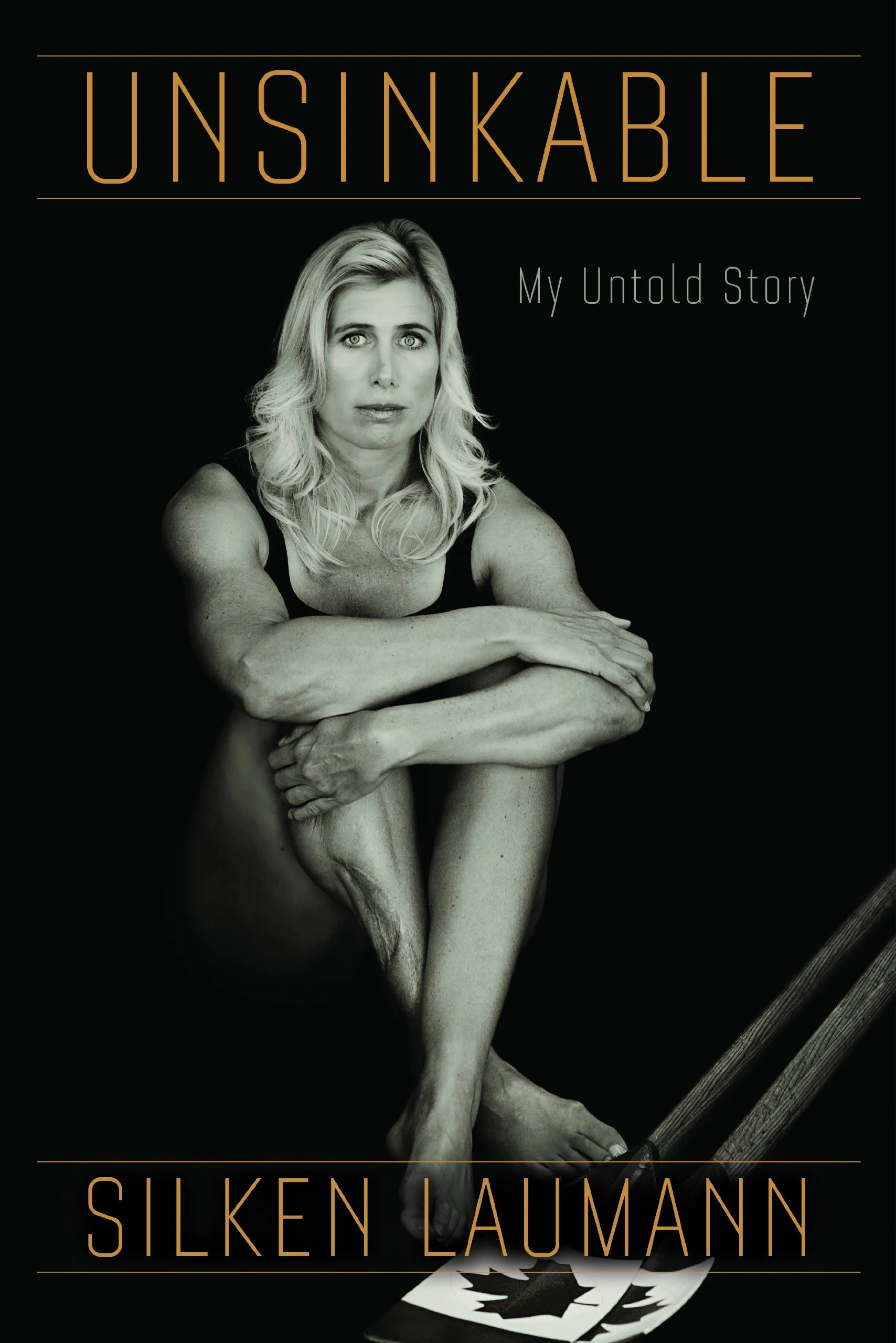
Silken Laumann
Olympic medallist, bestselling author of Unsinkable, and host of the Inflection Time podcast. Keynote speaker on resilience, and founder of the Unsinkable mental health platform.
This episode is supported by GoodLife Fitness and Ventum Financial .
One story, once a week, from someone who has been through it.
A short letter about a moment that changed someone’s life, what it taught them, and a question you might carry into your own week. No course launches, no countdown timers.