Dan Hill: The Ultimate Journal
He wrote Sometimes When We Touch at 19, for a woman who wasn’t interested. Decades later, songwriting is still where Dan Hill works through what he doesn’t say out loud.
“So I think I get through a lot of stuff and deal with a lot of stuff because of the writing and the music.”
Transcript
Speaker names are being checked and will appear here soon.
00:00 Meet Dan Hill
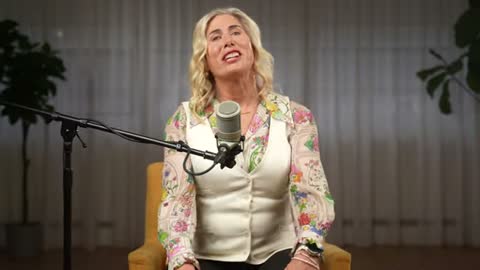
Welcome to Inflection Time. I'm Silken Laumann. Every life has turning points, those moments that change everything. In this podcast, I sit down with remarkable people to explore the challenges, choices, and unexpected events that shape who we are. From heartbreak to triumph, fear to clarity, these are the stories that remind us that growth isn't linear and meaning is often found in the moments we least expect. Inflection Time, uncovering the moments that make us.
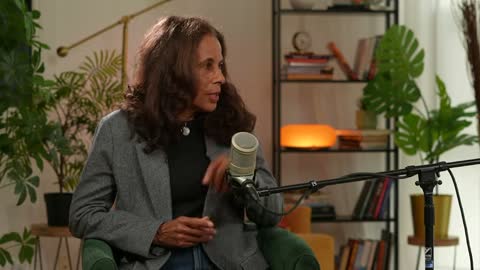
In this episode of Inflection Time, I sit down with Dan Hill, an award-winning singer-songwriter, author, and storyteller whose music has moved generations. Dan's journey is one of honesty and evolution, from writing timeless hits like Sometimes When We Touch to exploring identity, forgiveness, and purpose through his art and his life. He opens up about success, vulnerability, and the inflection points that shaped who he is beyond the spotlight. His story reminds us that growth often comes from the moments that break us open, when we find the courage to tell the truth about who we are and what we've lived. This is Inflection Time, uncovering the moments that make us. I mean, I've got Dan Hill here. Let's get started. And you're just coming off a Lifetime Achievement Award.
It was actually, sorry to keep track, it was actually the Canadian Music Hall of Fame Award. Wow. Sorry, you know, I love... Finally, finally here are the Canadian Music Hall of Fame. There are so many awards. There's like this Canadian Songwriters Hall of Fame, et cetera, et cetera. It's really, really hard to keep track of them all. Not many people have that problem, Dan. That is definitely a first world problem. All your awards. That's amazing.
It was a really great ceremony. And I love it because all the other acts were all so different. It was like Sum 41 and, you know, great Glass Tiger. So it was fun because we were all so different musically. Yeah. And I mean, that's a long time coming. You deserve that honor. And was it some... What did it mean to you? Well, you know, I was kind of touched, maybe a little bit surprised because most of my success in music has been in the States, if not my own hits, which were big in the States. The big artists that recovered my songs were usually American, Backstreet Boys, Britney Spears, blah, blah, blah. So I've always been a little bit under the radar in Canada because I haven't had the same presence here. Not that I'm complaining. So I was surprised, actually. Yeah. I mean, it's interesting, isn't it? We were talking about this earlier with another artist about how when you're a songwriter or you're behind the scenes, I mean, you're creating the song in lots of ways, you know, with the singer, but with the vocalist. But it's, you know, it's your song and then you kind of release it and I guess they can change it, they can edit it. But it's interesting that you don't like, you know, nobody necessarily knows that you wrote for Britney Spears and, you know, inter-Céline Dion. And you're right here in Toronto and you're one of Canada's greatest songwriters and performers.
03:28 Chasing one song from continent to continent
Well, that's really a great thing because if someone else, if you ever hit with your own song, your life is totally torpedoed. I know you can relate to this due to your unbelievable success. So it was like, you know, sometimes when it touched, I was literally chasing that song from continent to continent. Because back in 78, you know, these days, The Weeknd puts out a single. It's right around the world in a second. So it was very surreal, but busy. For two years, I was chasing that song as it became, it conquered the continent. And so when it started having big covers, I didn't have to promote anything. I'm just sitting back and very fortunate. And it wasn't as saturated. The market wasn't as saturated. I mean, there's just so many more performers now and they're developing in all sorts of countries and, you know, the depth of music in North America, you know. Well, that's true. And there was not so many big Canadian musicians in the 70s. There was Burton Cummings, there was Anne Murray, there was Gordon Lightfoot. And basically that was it, you know, unlike now when there's dozens of successful artists here. Yeah, and it's something that a lot of people don't know about you is not only, you know, did you have some, you know, just absolutely high profile and beautiful hits in the 70s, but you have never continued, you've always continued to pursue your music, whether it was through performance or writing for other people.
And so, you know, you're so multi-talented. You know, I actually met you, we met each other, I guess, when you were touring for your book. Yes, 2009. Yeah, and you were kind of ringing and you were kind of talking and like, I loved it that you're combining these two mediums. And I just remember thinking like, this guy is so authentic. Thank you. You know, you really put yourself out there.
05:24 Singing in a hot air balloon at the Grey Cup
Well, you know, I've done a little research on your podcast and the inflection points. There's only a year, there's not much reading. Well, no, and so a turning point for me was performing at the Grey Cup back in 1994, you know, in Toronto. Yeah. And I had to sing in a hot air balloon. I've never been one before. I was getting vertigo, the flames were burning, and I had to sing. Céline Dion was performing. She was on the ground like a normal artist. I say, okay, I'm in the hot air balloon. Céline's on the ground. This is a symbol. This means I got to stop being an artist and work for people like Céline. And that was the big turning point, being in that hot air balloon. I don't get it. You were getting vertigo. You were getting sick.
Have you been on the sand? And you wanted to continue. No, I didn't. No, no. I wanted to. You were like, you want to be on the, okay, I get it. You were like, why am I here when I could be there? Yeah. My friend said that I was gripped so much on the handles of the hot air balloon. Have you ever been on one of those?
You know, I have and I threw up, actually. I loved it until you land. And then all of a sudden, it's like you're dropping out of the sky. Apparently, my knuckles were white from gripping the handle so hard. But that was like a real aha moment. I'm going, okay. It's kind of like going from maybe an athlete to a coach or from an actor to a director. You know, it actually is quite a natural evolution because you can also back it up. So if the artist says, how can I sing that? I can just sing it.
Is it equally rewarding? The thing is, for me anyway, in my teens and in my 20s, I always wanted to be the center of attention. And so I really wanted to be famous. But I put out, I recorded, wrote and released six albums from 1975 to 1981. You know, so by the time 1982 happened, I was writing a hit for George Benson. I said, man, I'm 27. I feel like I'm 45.
07:25 From star to songwriter for other artists
So actually, when I transitioned... You've done a lot of living, like a lot of living. Yeah, and a lot of touring. So when I transitioned to writing for other artists, I was absolutely thrilled. And actually, a lot of times I get hired to go in the studio and show them how to sing or I produce it. So I usually do have a real hand in how their cover of my song works out. Yeah. So I loved going from a writer, producer, where no one knew who I was.
And is it kind of uniquely rewarding to see somebody's vision? Like, you know, somebody like Céline, who's got so much talent or, you know, Brittany, same thing. And they're struggling with a concept and idea. And then, you know, together, you can really find a way to make something magical. And the great thing is, usually, they listen. They're not kind of threatened or defensive. I'd say, she said, why do you want me to sing it like that? So I said, because that's kind of like a Salenism. You use that little riff in a lot of your songs. I thought that would... She just took it and said, okay, yeah. Sometimes with the country artists in America, they're very, very redneck Republican. They love guns and knives. Well, you've written for Reba McEntire. And so with some of the guys I was producing, you know, Sammy Kershaw, for example, he was a real, real redneck. And he had a gun in the studio. And the more I tried to get him to change his vocal, the more he was looking at the gun. He's getting closer to the gun, yeah.
And at one point I said, okay, I got to just deal with it. It's not going to be the way I want it. I don't want to get shot. So Nashville is different because of the politics driving the American South. Yeah. As an Olympic athlete and the founder of Unsinkable, a mental health charity, I know the power of a supportive community in reaching your physical and mental fitness goals. That's why I love GoodLife Fitness. It's more than a gym. It's a place where you can really thrive and find connection. As a special thanks for joining today, you can experience it yourself with an exclusive seven-day pass to any GoodLife Fitness location across Canada. Visit the link in this podcast description for access. All of my podcast guests have shared the importance of physical activity in their lives.
Together, let's build a healthier and happier Canada. And I mean, you also know, like when you're meeting somebody like Céline or Reba, I mean, you've been at the very forefront in this industry. So you know how bananas it can be. And the stress. And stress and the touring. So I suspect that, you know, the artists have respect.
They understand, you know, where you come from. But it's also your way. There's a gentleness to you. Oh, good to know that, but thank you. No, there is a gentleness to you. And, you know, I could see people feeling very safe and open with you.
Well, that's interesting. I have always been lucky insofar as I have had really, really good communication with these artists. And it's been my experience that the more gifted they are, the less of an attitude. You know, I also found that with songwriters, the ones that were banging out hits left, right, and center for 10, 20 years. They still had a wonder about writing. We'd be finishing a song.
They would put me on the phone to the girlfriend and ask me to sing it to it. Whereas if I was working with writers that weren't successful, they were always thinking about money, money, money, money. Yeah. And that derailed the act of trying to write a great song. Yeah, and I probably, well, I mean, when you are secure in yourself, you're going to create better stuff, whether it's music or any really element in your life. But also, you can give space to other people and other ideas.
Because you're going to, like, rock your world. And it's great to learn. You always want to learn.
11:21 Silken’s mother sings along
I do have a story I want to share with you. So, my mom and dad, actually, who live in different cities, both have dementia. Okay, I'm sorry to hear that. Yeah. No, it's a tough one. It's awful.
It's a tough one. And my mom has always been, she's always been pretty unique. And, you know, sometimes it's like, is this dementia or is this mom, right? Sure, sure. She had a stroke this summer. And we were in the hospital with her.
And, you know, we weren't really reaching her. And, like, it was pretty weird, right, when you, you know, talk to her two days ago and she was there and all of a sudden she's not there and we didn't know what was going on. So, I had this idea because my mom has a beautiful voice and has sung her whole life. And so, I started, not well, singing songs I thought she knew. And, you know, I tried Nana Mouskouri, which, you know, somebody she just adored. And I tried, you know, Scarborough Fair and, you know, a bunch of different ones.
And then I remembered that she had the biggest crush on you, which probably was inappropriate because, you know, she was a lot older than you. And you were really young singing Sometimes When We Touch. And so, I broke out in a very poor version of Sometimes When We Touch. And she started, she started singing. That must have been so beautiful. You put inside.
I just was like, wow. Like, the power of music. And it's the one thing that doesn't fade in memory. So, the last thing you may remember when you're kind of on the edge of not being around much longer, you remember the songs and you sing them back perfectly. That's the one thing that's etched forever in your memory. That is so interesting.
And actually, that really resonates for me because I remarried in my 40s. And I married a man whose daughter had autism and she came to live with us full time. And at that time she was 11. She had very little language. You know, she could kind of point out things she liked. And she could sing the lyrics of probably a hundred songs.
Incredible. It was just the most amazing thing. And I got her an iPod. And she was able to navigate that iPod and find the songs that she wanted to listen to and sing them beautifully. That's amazing. So, it does use a different part of the brain.
Yeah, it is very, very healing. You know, whether you're singing music, performing music, or listening, it's one of the most healing things you can do. Regardless of being a... Now, what if you're making music has...
13:52 The real story behind Sometimes When We Touch
I mean, it seems to me that when I listen to your songs and I listen to your evolution as a performer and a writer, that there's a lot of processing going on when you're writing. Is that true? Well, yeah. With me, usually the songs that did the best were songs that were things that really happened to me. I joke around that I've made millions based on the rejections I've encountered with women.
But, you know, so sometimes when I touch a great example, this woman was a 22-year-old living hurdler. She was not into me. I was 19. I had to do something to make her think maybe I was worthwhile. So, I wrote Sometimes When We Touch. So, yeah, most of them are...
And did you get her back? No, she said, I sang it to her over the phone. Okay. You're literally saying it now over the phone. Yeah, that's what you did back in 1973. Yeah.
And she said, Danny, for a 19-year-old, you're way too intense. I've taken off with a fullback for the Toronto Argonauts. As you're probably right. That's what I mean. Oh, I mean, you know, we... I mean, this is what I've learned.
I've been accused of being intense. You know, and I think for a long time in my life, I tried to contain that intensity. And I tried to fit in, I guess fit in my energy, in my everything from my volume of voice to how much I dreamed about. Sure. And I learned it's actually impossible. Mm-hmm.
And if you try, it actually just makes you sick. Yeah, it's not healthy. Yeah. I think one of the advantages of getting into, say, our late 50s, 60s, 70s, is that the studies actually show that people are happier at that age. Because that's the age where we let go of feeling like we have to do things for some kind of approval. Or that's the age where we're not feeling so desperately that we want other people to approve of who we are or what we do.
And so we let go of a lot of things, including trying to stay and not be intense by the time we get into our 60s and 70s. And the studies show that at this age, people are a lot happier than, say, their 40s or even in their teens. And how's that changing your music, both the music that you write and sing for yourself and for others, but also the music you write with others? Well, lately I have just been writing on my own. And I find that now, as I'm writing, when I'm talking about a female, I'm dealing more with her issues and her challenges. So, you know, with a lot of my hits, it was basically about myself and how I was feeling, right?
Which is why they did better in the States. Because, generally speaking, people are less emotional. In the States, you're hanging out with someone for five minutes, they'll be telling you about their abortion. And so, because I'm such an emotional writer, America was better territory for me. But now when I'm writing, I'm trying to deconstruct what the woman I'm writing about is going through and then trying somehow to reassure her. So it's less about me, me, me now.
That's really interesting. And as you get older, as we all get older, you know, there is this perspective that kind of sets in. But do you feel like some urgency as you're getting older to continue to create the stuff that's still in there? Actually, no, I don't. I don't feel that urgency. I do know that if I want to stay kind of grounded and feel good, that I have to play piano and guitar and sing every day.
I mean, but it's not like a chore for me. It's just, I just know I have to do that. But how wonderful. You don't have to go anywhere. You go to your piano, then you go to your guitar, you sing like you're a teenager. So music does ground me and does make me feel really, really good.
So if I don't play music and sing for two or three days, first of all, I lose my voice. It's just like an athlete. You have to train. Singing is athletic. Even after three days? Yeah, it starts to go.
I don't care who you are. But I know beyond that, if I don't play music for three days, I'm not going to feel as good. And you've taught, I'm sure you were talking earlier that you sometimes run like 20 kilometers in a morning. And that's also something that has really kept you balanced. Of course, that's something that I'm very passionate about is that connection between physical activity, mental health, and just overall well-being. Well, as you know, all the studies show that exercise, for many people that are dealing with depression, I'm not saying severe depression, but it's better for you.
It heals more than therapy and meds combined. And you probably know this. There was just a report that people that are recovering from, say, colon cancer, their recovery is much better if they're exercising. Yeah, so that's a, yeah, you just can't say enough things about the power of exercise.
18:54 Speaking up about prostate cancer
It's, you've had challenges in your life, quite a few of them. You speak, hopefully, about having prostate cancer. You're all over the hospital, by the way. I got a poster in there. And you, you know, you have a lot of courage in that you've really, you know, I know you're a private person, but you've really put yourself out there as well when you think it's going to make a difference. Yes.
And was that kind of your thought when you, you know, start talking about your prostate cancer, but, you know, not enough people were talking about it? Well, yes. As I'm sure you know, it's the male equivalent to breast cancer. So it hits one out of every eight men. I think if the stats are kind of similar, it would be maybe one out of every seven. And because men don't talk the way women do, men usually don't talk about this stuff.
They actually feel almost ashamed about it, you know, and they don't talk about the potential repercussions or side effects of that kind of surgery. So the thing with me is there's sort of a, there's a disconnect between what I write, whether prose or songs, in the way I present as a man. As a man, I don't, I'm very typical of someone raised in the 50s. I was raised to not talk about my emotions. You know, I was raised to be very, very polite around women, that women were fragile, so you can never contradict them. So as a man, I don't reveal that much about myself because it's actually pretty easy to flip the conversation where the person you're interacting with, you know, is talking about themselves.
So if they ask me about politics, again, I flip the question back to them and they talk about politics. So as a man, I don't really reveal that much. I don't post anything. If I'm checking a Facebook thing, I might say, well, that's a beautiful photo. I don't, I don't give my opinion about anything in Facebook or, or, or life. Well, this is noted because we're having a pretty intimate conversation.
So if all of a sudden the lens turns towards me, I, I'm onto you. I know what you're doing, right? Yeah. So it's, but it makes sense in a way.
20:59 Songwriting as the ultimate journal
I mean, now they're all talking about the power of journaling, right? Journaling is supposed to be very healing. Well, obviously songwriting is the opposite. I mean, it's the ultimate journal. The ultimate journal, wasn't it? Yeah.
Yeah. So I think I get through a lot of stuff and deal with a lot of stuff because of the writing and the music. So maybe I don't have to talk so much about myself in some kind of open and vulnerable way. And nobody's going to argue with you in your journal. Yeah, we're right. Yeah.
And somehow if it's a, if it's a song, somehow you can almost say anything was written well enough. I mean, if Sting can write Every Breath You Take, and sometimes people say it's a stalker song. And that's a great example of a song where if it wasn't a song, people might think there's something a little off about this. Yeah. But because he weaves it into such a great song, it just becomes an iconic song. It's not reflecting on Sting's sense of stalkerdom or possession.
Yeah. And it occurs to me because, you know, I run an organization called Unsinkable and we focus on mental health. We focus on people's stories. We do it all through storytelling. And really, like for me, when I wrote the book Unsinkable and, you know, you and I talked about when you wrote your book, I Am My Father's Son, right? It is, there's this cathartic process you go through.
Oh, really? And, you know, so the writing itself is a way of healing. And then if you're lucky, you know, your book, my book, I know, helped other people heal. Absolutely. You know, which is a beautiful thing about any art. But all the things you're talking about, like running, journaling, singing, like these are actually things that we talk about a lot in the mental health space.
About how, you know, yeah, medication totally has a place.
Therapy totally has a place. But these are other fundamental aspects of keeping our equilibrium as best we can. Yeah, and most, this is not to condemn doctors per se, but they don't tend to talk about those kind of things. They just want to throw meds at you. Now, I'm not one of those conspiracy type people that think meds don't work. I do believe that they work, you know.
That being said, there's an awful lot of things you can accomplish both mentally and physically with physical exercise. Actually, I do my best practicing or rehearsing or writing after a run. Because, as you know, you get a sense of serenity after a long workout. So then it's easy to set the piano for three hours. Where if I do it before a run, I might get a little fidgety. Yeah, wiggles.
Perfect. Exactly. Exactly. And there's that tie. And do you think, I mean, we're living in a world where people are talking more about what's going on inside them. And you've always done that through music, right?
Your music is very emotional. It sounds like you have your outlets too. Like, you know, your own version of journaling. Are you noticing a shift, especially with men? Because I always say that when it comes to our mental health, that silence kills. Yeah, absolutely.
It's toxic. Well, you know, to be honest, I have not noticed men changing. And all the stats show now that, for example, boys, you know, boys into early 20s are suffering more than ever. I mean, for example, the opioid addiction from kids from like 15 to 19 is just like off the racks. So actually, I don't think, in my experience, I don't see that men are more open now than they were, say, in the 50s, 60s, or 70s. I haven't noticed that, you know.
And that the things that they have to mood alter are increasingly dangerous. Well, yeah, especially being on, you know, on the computer and getting into that rabbit hole of a lot of really bad stuff, you know. I'm excited to share that Ventum Financial, a sponsor of Inflection Time, has launched their new podcast called Relevant. At Ventum, they believe that sharing someone's story is a privilege, and Relevant brings those stories to life. It's where leaders, creators, changemakers share ideas, shaping business, culture, and the world, one conversation at a time. I'll be joining Relevant for an episode to talk about resilience, optimism, strength, and how these qualities help us grow through change.
I hope you enjoy that episode. Check out Relevant by Ventum Financial, where people are discovered. You've got children, you've got, do you have grandkids? I have one grandchild. He's 15. Okay, oh, he's 15.
So are you seeing that a little bit, like, where you kind of, like, come out and run with me? Sure. He comes over, if I'm not working, he comes over every weekend. And if I am working, often I get him to help me. He's a bit of an anomaly. He's a crazy reader.
He's reading War and Peace or 1984. He's an unbelievable writer. He's an unbelievable artist. At 15 years. Yeah, he's not into any social media. He doesn't do any social media.
He has a cell phone, which he never uses. So I would have to say he's a total anomaly. And he's very confident.
26:16 A family of words
Dan, you have, like, you have a really remarkable family. I mean, but both your parents were civil rights activists. Your dad was a leader in the civil rights movement. Your brother, Lawrence Hill, is a fabulous writer. Yeah. You know, I mean, like, I think, gosh, what was the dinner conversation like in your home?
You know, like, yeah. Well, we were all pretty crazy, too. Yeah. There was a thin line, you know, a lot of schizophrenia and bipolar in my family. My mom, my sister, my son. So there is this kind of interesting kind of crossover between the insanity and the intellectual.
It was words. Words were our superpower. Or you weren't allowed to watch TV. So all we could do is read. I don't think most people realize that bipolar disorder, they call it, you know, is actually the most genetically linked mental illness. And so when somebody in the family presents us bipolar, it's a pretty straight line between, you know, the grandchild and the child and the parent.
And, you know, the other thing that, you know, we know about bipolar is that it's very treatable. Like, you know, so many of the symptoms and the tough things about bipolar can be really well addressed through medication. Yeah, absolutely. Which isn't necessarily true of other mental illnesses. Absolutely. Yeah.
I'm on Seroquel, for example, which is really an antipsychotic. And I'm one of those kind of compliant people. So if I'm prescribed something, I usually take it, you know.
27:55 Bipolar, diagnosed late
I was recently diagnosed with bipolar 2. Okay. And, you know, my whole life I thought it was depression and anxiety. What was that like, though, when you were first diagnosed? How did you feel about it? It sucked, you know, because I realized I had an internal stigma of bipolar disorder.
Like, I was okay to say, oh, I have depression or I have mild depression or I take a little bit of antidepressant. And then when I was re-diagnosed, I actually went into a depression. Oh, man. No, it's surreal. Because I had this internal stigma. And then there was another layer, which is I felt ashamed of being ashamed.
You know what I mean? It's because I am a mental health advocate. I have a charity focused on mental health. And here, you know, but the great news for me has been that, I mean, medication has just made life so much easier. I couldn't agree more. You know, and I never had, I never had, I was lucky, I never had psychotic breaks or anything like that.
You know, and bipolar 2 tends to be like that. You have your moods and ups and downs and you have these really creative periods and really, you know, productive periods. I have less productive periods, a little bit of depression. Like, so you can see how it's missed. Absolutely. They say bipolar is the hardest thing.
I was bipolar around 19 and I wasn't diagnosed till 2014. They all missed it. Yeah. Yeah. Because. They thought it was quirky, creative.
Yeah. Which you were, you were, you were creative. You are quirky. It's a wonderful thing. Mm-hmm. And that's all part of it though, isn't it?
Like, I think it's easy to say, this is all the disease. Mm-hmm. It's, it's all who makes Dan Hill. It's all who makes me. And I, I guess I'm getting to that place, Dan, of challenging my own stigma and saying, Yeah.
Wow. Well, this, this is me. This is how I'm showing up. Yesterday, I didn't know that I had bipolar disorder. Mm-hmm. Today I do.
Okay. What's the big deal is what other people think. Mm-hmm. And what stories they have in their own head about what it is to have any kind of mental illness, but particularly ones that we don't understand and we're afraid of. Sure.
Like schizophrenia, like bipolar one and bipolar two. So, I feel like it would be inauthentic when you've just told me your story for me to not share mine. Sure, I understand. And I'm just starting to share it. It was so recent. You only found out.
It's recent. And, you know, maybe at this stage, we don't care as much. Well, I totally agree with that. You know, if someone feels I'm weird because I'm bipolar, so be it. Yeah. Yeah, they're not your friend anyhow.
You can have better friends. Yeah. Yeah. And obviously, your friends are really important. So, it makes sense to have friends that, I know it sounds kind of corny, but have values that are similar to yours. I'll just put it that way.
Most of my friends are people who were my label mates when I was assigned to different recording conferences. They never went to university. So, my label mates from RCA to whatever, they were kind of like the university substitutes, right? So, they're still my friends. And I think that there's an age and a stage. If we're lucky, if we've been doing the internal work, if we've stayed open and curious about people and curious about life, and I know you have, I know I have.
And it's a beautiful time to be aging when you have all that. And then, like, yeah, you get to the point where you're like, okay, I understand you might not understand that. But maybe you should get curious. Maybe you should seek to understand so that you can understand me. And for me, talking about this now is really about thinking about other people. Of course.
Who, like, are struggling and might be. The fact I said it might make them feel more comfortable with themselves.
32:03 Full circle: touring alone
Absolutely. Yeah. I just want to project forward as kind of one of our last questions as we wind down here. And I feel like we need to do Dan Hill 1 and Dan Hill 2 because there's so much to talk about in your life. But as you kind of are casting forward now and thinking about, I mean, it just sounds like right now you're kind of in this organic process where you're making music and you're just really paying attention to what shows up. Is there anything that you sort of feel on the horizons that's really exciting you?
You know, for me, I'm just looking forward to, I'm going to be doing a tour of the Maritimes. And these days, I just perform alone. You know, I've kind of gone full circle. When I started performing, when I was 12, 13, 14, I was alone. Then at a certain point, I had a band. Then at a certain point, I just had a piano player.
And I feel like I've come full circle now where it's just me performing alone with a guitar and a keyboard. And for me, it just feels more raw and more real and more exposed. So I actually really look forward to touring the Maritimes because my experience is that they love music more than any other part of it. And they understand it. And it's part of their culture. Yeah.
And they perform music for each other. They learn how to play the fiddle and the guitar. So it's a great experience because the people are just so interesting and warm and, to use your word, curious. When I was at the peak of my fame in Canada, it was probably the few, five, maybe eight years after winning Olympic bronze medal. And it was because of my accident. Of course.
The fact that I recovered in 10 weeks. Yeah. And people really associated me with courage and overcoming adversity. And they wanted me to inspire them. Like when I would meet people, you could tell, they wanted me to say something positive and inspiring. And, you know, that was associated with me.
And at some point, I started to feel like this tension between this public person who always was positive, who always thought any, you know, any obstacle was surmountable. And then this person that was in a hotel room, sometimes just asking herself, like, what's the meaning of all this? Like, and who am I to inspire? Like, feeling like at some level I was a fraud, but also what I understand now, I was actually dealing with, you know, very deep depression. Of course. And I didn't have a word for it.
And that kind of came to a head for me when I started raising my kids and the pressure got more and more and more. And, you know, it kind of led to a meltdown. And from there, I kind of had to rebuild and redefine myself individually outside of what other people respected and thought of.
35:09 Called a wimp in the 1970s
Yeah. And I was thinking about this, Dan, as I was preparing to have this conversation. I mean, it was such a blessing, you know, that you had this beautiful song that meant something to my mom. It still means something to a lot of people. I mean, I still sing it, you know, but it's not the only song that you've created. You've created beautiful music since then.
And I wonder if you ever felt a bit confined by not only that song, but, you know, what the music industry was in those years and the performing and all that went into those years after that big hit. Well, it was a different culture back in the 70s whereby there was even more stultifying roles that men were supposed to play, you know. So we weren't allowed to show emotions. We weren't allowed to be vulnerable. And so I was writing songs that totally were in the face of that dictum. And so I got a lot of backlash from male critics because they thought the big word back then was the big insult was to be called a wimp.
That was the word. There are all these, there's the W word, the N word, the C word, the W word. And so they threw that around at me a lot. And it seemed like the more I was cascaded by the media, the better my sales. It was almost like a backlash to the backlash. But it was very hard to reconcile who I was because you, and even if you didn't want to read the reviews, somebody was always, I go, see my doctor.
How do you feel about that? Yeah. Here's a review you got. And it was a bad, you're my doctor. You're supposed to make me feel better. Why are you showing me bad reviews?
So, and again, in your 20s, it's much more important what people think of you, right? So I didn't learn, I didn't have the objectivity of maturity to realize this was happening because men weren't supposed to behave this way, you know? So that was hard. I felt hurt an awful lot. It was a very extreme existence because either people thought you were God or people would say you're a disgrace to the Canadian people. But I mean, that's part of the problem, isn't it?
Like we, and it's worse than ever, you know, we put these musicians, these actors on this pedestal, like they know best. I mean, the pop culture is, got opinions on everything. Things that they probably shouldn't have opinions are in terms of like influencing so heavily, right? And, you know, we forget like, no, these are like human beings and yeah, some of their opinions are really valid and important. But like, should we be taking, you know, should young people be taking their entire view of the world from young artists? And, you know, probably not.
Absolutely. There's other things. Yeah.
37:48 Worn out on the road
But it also can become, I wonder when you were, when you were traveling, when you were performing, when you were kind of in the peak of your, you know, public fame, if you had that kind of inner discourse too, that, you know, like you're out here, everybody thinks you're great, but maybe inside you're not feeling so great. Well, yes. And I was just all, I was just working like crazy. You know, there weren't as many airlines, there weren't as many routes. So I played New Orleans one day at 90 degrees in humid. I played Winnipeg the next day, 30 below zero.
Now, in a way that was a good because I didn't have any time to reflect on the success of me as an artist or as a songwriter. I just didn't have time, but I was like always tired in, you may relate to this as an athlete. I was always afraid of losing my voice, you know, because, you know, that kind of travel, the air, you know, the lack of, you know, very dry airplane, you know, fatigue, you know. That was a big concern always. Do I have my voice? Do I have my voice?
Am I going to lose it? Am I going to bring shame to myself and my family? So it was just so frantic and just so intense. And there was never any let up. I remember I finished touring with Art Garfunkel for four months and I was supposed to have five days off and I was so excited. And then they said, no, you have to go to England to sing Top of the Pops because the only way you can have a hit in Europe is you have to do Top of the Pops.
So those five days off, I had to take me to Concord, England, perform in Top of the Pops, got in a fistfight with Elvis Costello. Yeah, who thought it was a wimp. And then Concorded back to New York, then flew to Washington, did another show. So it was quite insane. I did get addicted to sleeping pills. Okay, yeah.
Because you're so darn tired. Yeah, and that was a bad thing because in my case, I think you develop a tolerance. So before you know it, you're taking more and more and more. And that's a really good way to move on to another world, you know, especially if you start, you know, combining it with alcohol. I mean, that's how Jimi Hendrix died, for example. That's a very, very dangerous combination.
I remember one night I was doing a show. I said, that's it, no more sleeping pills. And I threw them out of my balcony and it went into a garden below. So 15 minutes later, in the garden, I'm in the hands and knees trying to find the sleeping pills, which was kind of, again, a big red flag. Like, what, you've got to get this together. So, yeah, I did have addictions.
It seems to me that almost everybody I've met who've gone through periods like this, because I've toured with a lot of these people, we all kind of went through the same process. It almost, you almost feel like you're... But you made it through it. Yeah, and some do and some don't, you know. It's not just because you're artists. I mean, people say, oh, artists are more fragile.
Maybe that's true. You're more sensitive. You feel the world more completely, potentially. But it is also a bananas lifestyle. Like, that would drive anybody batty. Yeah.
And, yeah, I tend to kind of pivot to the positive stories. I'm kind of like that in general. I don't tend to remember bad things. I tend to not allow myself to go there. So, I think about John, who is crazy on everything and then hasn't had anything for 20 years. There are a lot...
Or I think of Paul McCartney, who's still touring at 84. I know. It's amazing. Or Mick Jagger, you know. So... So, you turn that corner.
Yeah. There are a lot of people that die early. Rock and roll, it's one of two extremes. Either you die early, they call it the 27 Club. Because Jimi Hendrix, Janis Joplin, Amy Winehouse, and Jim Morrison, they all die at the age of 27. So, it's either you die young or somehow you get it together and you're living into your 90s.
The longest lifespan are musical conductors. They usually live into their 90s or more. They got good brains. Yeah. And it's something they love to do. It's something they love to do.
I totally get that. I mean, you know, I'm at the age now where I'm... You know, lots of my friends are just starting to think about retirement or they are retiring. It's really weird. And I'm like, why are you retiring? You're really young.
But, you know, it's a magical number. It's 55 or 60 or 65. And I just think like, and it's because I have flexibility and privilege to do something I love. But I'm like, I have zero desire to retire. I still want to keep creating, whether it's this podcast, whether it's my new book that's coming out.
It's that creative urge. But it's also, for me, I feel like I still have stuff to say. I still have stuff to share. And it gives you a sense of purpose, which we all need. Yeah. Yeah.
And, you know, you say you don't feel like you've lived the day until you've gone into your studio or you've done some writing. Or you said you play the piano or the guitar. It's just, it seems like it's as natural as breathing for you. It is. It is. Because I really started doing that when I was nine, eight.
42:46 His father, race and rebellion
And how do you think, you know, growing up, we just talked briefly about, I know, in that household, we talked and laughed about it a little bit. But like, super high performers. Very intense. All of you. Yeah. Right?
How did that shape you? Well, it was, I was, because of my father, I was extremely driven, really, really obsessed with success and making a mark. And, but also with my father, because he was very controlling. I had to figure out how to defy him, you know? So it was a combination of picking up his, you know, inheriting his desire to be a super performer. Part of that is a middle class black experience, because in order to transcend racism, you do have to be a super performer.
So I understand now why that was so important to him.
So I caught that. I was writing songs when I was eight, but it was sucky to write about girls. So I would write about my cat. Love songs. And my dad thought, he first, he thought I was gay because he couldn't understand how I could be that sensitive. Yeah.
And then he thought I was into bestiality. I'm not, I'm not, I didn't even know what the word meant, you know? I just like my cat. Yeah. So a lot of time I'd spent figuring out how I could, you know, rebel against my dad, which ultimately was a really healthy thing. I did become a serial liar.
So he'd say, you can't be on a sports team because that's going to wreck your education. But I would be on the wrestling team, the cross country team. He just went to. I would just lie, you know? So, and then I ended up doing what I wanted. So I probably had a bit of an issue with, with honesty because that was how I had to.
I mean, he, you know, he was a civil rights activist. Your mom was white. I still remember you telling me that story of, and I think I read it first in your book about your mother going in the hospital to deliver her first baby. And, you know, her, her, your dad appearing and he was black and she was white. And the way that they treated her because it was an interracial marriage. And I'm like, how long ago was that?
1954. 1954. 1954. Yeah. They took out her appendix.
Oh, sorry. Yeah. That's so cute. Yeah. Take it, bruh.
But she was so brave. She was so brave. Yeah. So she was, I would have loved to meet her because she was brave. She, it sounds like she was kind of like the rock in the family. She was also a real rebel.
Yeah. Yeah. That. Yeah. And she turned me on to great music and great female writers. Did she?
Yeah. Yeah. Why would Alice Winderall, Jeremy and Greer, you know, she was the gateway. Yeah. Yeah. To that whole creativity.
Yeah. That kind of, because your dad, it sounds like your dad, you know, he was a lawyer, right? I'm not a judge. No, he was actually, no, he had a PhD in sociology. And as you already said, in 1965, he was, he became the head of the Ontario Human Rights Commission.
And there is nothing like that anywhere in Canada before. And so on his own, he built that commission. Such a remarkable family. Yeah. Such a remarkable family. And your, and your brother wrote The Book of Negroes, right?
Yeah. So like, yeah, there's at least two writers, if not three in your family. Yeah. My mom wrote some books too, my dad, my granddad. It was, the writing was the thing we were expected to do. Yeah.
It was the music. The words. The words. They weren't used to the musical gene. They were used to the writer's gene. Yeah.
So you had the musical gene, but you also had the writer's gene. So you kind of had us all. Yeah. We had us all. And with it all, Dan, as you know, you got, you got the feels too, right? And that's what, and that's makes you such a great writer.
And honestly, the first time I met you, I just thought this is a really special human. And I, I just, just hearing and listening to you today, I feel that even more strongly. Thank you. You've been through so much. And you've contributed so much. Yes.
Yes. I think it really helps, because we have been through so much ourselves with our family. I think it really helps that sometimes you remind yourself that you're not alone. That, you know, every family has, has challenges, just that most families don't talk about it. Yeah. Yeah.
That's right.
47:09 Writing the family truth
And I think personally, when I wrote my book, Unsinkable, it was kind of like, you know, throwing a grenade into the family story that had been created. Mm-hmm. And, uh, through, through the members of the family who hadn't really dealt or processed their stuff, it threw them into a table. Yeah. I know that was really hard for you. It was really hard.
It was, I mean, my sister and my, my sister wrote a letter to McLean's basically denouncing the book. And, and yet, I've said this so many times, but I'll say it again, it was probably the most liberating thing I've ever done. Yeah, of course. Because it was like, woohoo, it's out there, I'm free. Like, the truth is out there. And now I can just be who I am.
Good. And I think that people who don't get to do that, either, you don't have to publish a book and tell the world about it necessarily, but if you never get to find out what's true and you never get to speak your truth, I just think that's tragic. Yeah, I do. I do too. Yeah, yeah. You know, I think the key to writing a book is you have to be fearless, you know, you know, and there's been so many cases of backlash, Alice Munro, terrible backlash from her family and from the small town that she was writing about, even though she disguised, you know, Hemingway, terrible backlash.
You know, usually if there's a backlash, it's because you've said something that's very powerful, but also very wrong. I mean, if it wasn't something powerful, you wouldn't have, you know, had to endure the backlash, which doesn't make it easier when it's happening. Oh, my God. Yeah, the stuff that happened to me, you know. My dad was no longer alive when my book came out in 2009, but man, my mom was, and my sister, they were not happy, even though I really didn't write about them. No, and it's funny because, like, I read in the book, I mean, it's just, it's a beautiful book, and it's, it's, I don't really find it particularly inflammatory, but I guess it's because you put a spotlight on their life, and they were like.
Well, I wasn't afraid to call my father out. I tried to do a balanced representation of him. But one of the things I feel now that I didn't even feel when I was writing it back in 2009 was they were always there, you know, he never left.
And so that counts for something. It does count for something. And you know what, as you said, going back to how they were raised, and your dad being a black man in Canada, and, you know, you're both, your parents obviously being in an interracial marriage, like, they had reasons to fear. They had reasons to, you know, be quiet about their private lives. So, you know, it must have been hard because, you know, you did something public. Well, you know, I would have to say, looking back, it was a gift.
You know, it was, in a lot of ways, that's a big part of what shaped me and caused me to be a songwriter and musician. So, although, obviously, it's not easy when we're growing up in tumultuous families. Looking back at it now, I'm really happy I did grow up in the family I grew up in. I agree. I think it makes us strong. I think it makes us deeply compassionate.
And, like, I don't like the word tolerant, but I think you can have a broader view and a more open view of the world if you've come through your own, you know, storm growing up.
50:40 Advice for a young songwriter
And, you know, the last question I wanted to ask you was just about that advice. Like, you know, we like to ask this of all of our guests. You know, that advice that you'd give a young songwriter, somebody, you know, if you could cast back to when you were 19, 20, writing those first songs. Okay, well, there's a few things. First, be authentic. You know, I used to go on all these talent contests when I was 14, 15.
And a lot of the people in these talks tried to sound like Gordon Lightfoot, Joni Mitchell. I knew they were doomed, you know, because they were original. So, be authentic, A. B, this sounds very old-fashioned. It really helps your writing if you can play an instrument. Even if you just write words.
If you play guitar, it's going to help. If you play guitar and piano, it helps even more. When I started playing piano, I started to write a lot more hits than just on guitar. And so, be authentic, be yourself, and learn how to play an instrument, at least one. And the instruments to really learn are instruments that you can write on, meaning guitar, piano. Piano, yes, violin is great, but you can't learn to write it with a violin.
So, that's definitely my advice. Really good advice. And anybody out there who wants to be a songwriter, you got it. Dan Hill, it's been gorgeous to have you here. Thank you for joining us on Inflection Time. We hope you enjoyed the episode, and we'd love for you to follow us by subscribing and sharing our podcast on Apple, Spotify, and YouTube.
Inflection Time is an Archer & Co. production sponsored by GoodLife Fitness and Ventum Financial. A special thank you to our incredible in-kind partners, Carter Wiley and Tallboy Water. Executive producers and directors, Michelle Archer and Phil Kluba. Producer, Christine Bays. Creative development, Sarah Carter. I'm grateful for Smythe for helping me look good.
Thank you for listening. Thank you.
Key takeaways
- Songs as the ultimate journal. Dan was raised not to talk about his feelings, and in conversation he still turns the questions back to the other person. Songwriting is where he works through what he doesn’t say.
- A song that doesn’t fade. After her mother’s stroke, Silken sang Sometimes When We Touch at her bedside, and her mother began to sing. Dan has found that songs are often the last thing memory lets go.
- Called a wimp for feeling. In the 1970s men weren’t supposed to show emotion, and male critics went after his ballads. In his 20s, what people thought of him mattered more, and he felt hurt a lot.
- Music and miles, every day. If he goes two or three days without playing and singing, Dan starts to lose his voice and doesn’t feel as good. He does his best writing after a long run.
- The family that shaped him. A controlling father, a brave and rebellious mother, and words as the family superpower. Looking back, Dan is glad he grew up in the family he grew up in.
Dan Hill
Singer-songwriter, Grammy and five-time Juno Award winner
Dan Hill is a Toronto-born singer and songwriter whose 1977 ballad “Sometimes When We Touch,” written with Barry Mann, went to No. 1 in Canada and No. 3 in the United States. He has won five Juno Awards, shared a Grammy for Céline Dion’s Falling into You, and was inducted into the Canadian Music Hall of Fame in 2025. His 2009 memoir, I Am My Father’s Son, is a portrait of his relationship with his father, Daniel G. Hill, the former director of the Ontario Human Rights Commission.
- Canadian Music Hall of Fame inductee, 2025
- Canadian Songwriters Hall of Fame inductee, 2021
- The Canadian Encyclopedia: Dan Hill
- The Globe and Mail: review of I Am My Father’s Son, 2009
-
I Am My Father’s Son
A Memoir of Love and Forgiveness
A memoir of Dan’s life alongside his father, the human rights leader Daniel G. Hill, and of the hurt, music and forgiveness between them.
Get the book
Resources 12
Research and sources behind what was said in this conversation.
- Dan Hill Canadian Music Hall of Fame The 2025 induction Dan is just coming off when the conversation starts.
- Why musical memory can be preserved in advanced Alzheimer’s disease (Jacobsen et al., 2015) Brain Why long-known songs can stay when other memories fade, as Dan says after Silken sings to her mother.
- Is happiness U-shaped everywhere? Age and subjective well-being in 145 countries (Blanchflower, 2021) Journal of Population Economics Well-being dips in midlife, around age 48 on average, and rises after: the studies Dan means when he says people are happier later in life.
- Effect of exercise for depression: systematic review and network meta-analysis of randomised controlled trials (Noetel et al., 2024) The BMJ Walking or jogging, yoga and strength training eased depression. The authors suggest it as a core treatment alongside therapy and antidepressants.
- Structured Exercise after Adjuvant Chemotherapy for Colon Cancer (Courneya et al., 2025) The New England Journal of Medicine The CHALLENGE trial: a three-year exercise program after treatment led to longer disease-free survival. Likely the colon cancer report Dan mentions.
- Prostate cancer statistics Canadian Cancer Society About 1 in 9 men in Canada will develop prostate cancer in their lifetime. Dan says 1 in 8.
- The role of masculinity in men’s help-seeking for depression: A systematic review (Seidler et al., 2016) Clinical Psychology Review How traditional ideas of masculinity can keep men from seeking help, as Dan describes men not talking.
- Written emotional expression: effect sizes, outcome types, and moderating variables (Smyth, 1998) Journal of Consulting and Clinical Psychology A review finding that writing about emotions improved health and well-being: the research behind the journaling Dan compares to songwriting.
- Bipolar disorder CAMH What bipolar disorder is, including the milder highs of hypomania, and how it is treated with medication and psychotherapy.
- Is 27 really a dangerous age for famous musicians? Retrospective cohort study (Wolkewitz et al., 2011) The BMJ No peak in deaths at 27, but famous musicians in their 20s and 30s died at two to three times the general rate.
- Daniel Grafton Hill The Canadian Encyclopedia Dan’s father, first director of the Ontario Human Rights Commission from 1962 to 1971.
- The Book of Negroes The Canadian Encyclopedia The 2007 novel by Dan’s brother, Lawrence Hill.
Silken Laumann
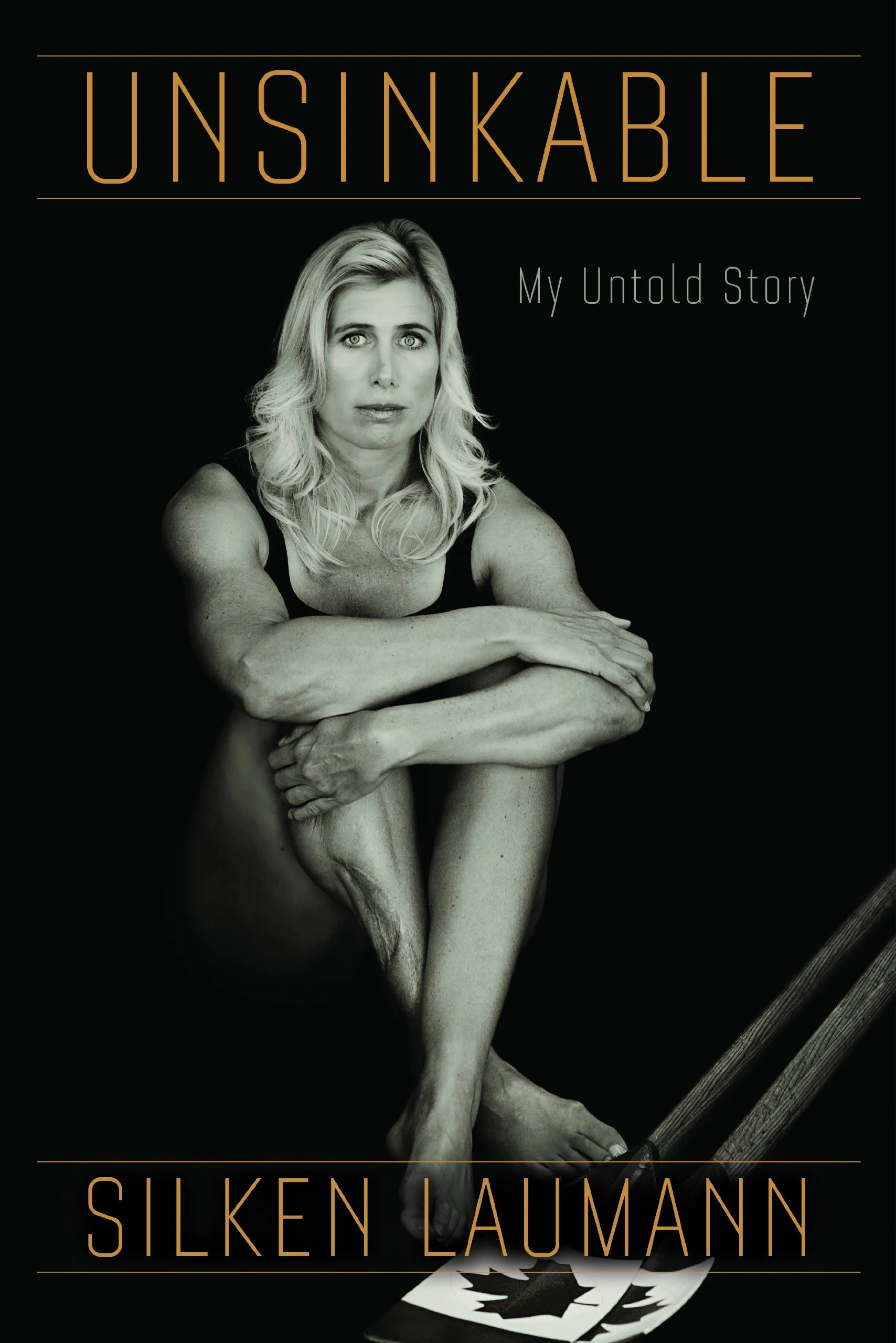
Olympic medallist, bestselling author of Unsinkable, and host of the Inflection Time podcast. Keynote speaker on resilience, and founder of the Unsinkable mental health platform.
This episode is supported by GoodLife Fitness and Ventum Financial .
One story, once a week, from someone who has been through it.
A short letter about a moment that changed someone’s life, what it taught them, and a question you might carry into your own week. No course launches, no countdown timers.