David Patchell-Evans: Love Her the Way She Is
A club owner who was going broke offered to sell Patch his business. Patch was due to leave the next day to train for the Pan Am Games, and he had to choose one dream that night.
“to not love because you’re afraid to get hurt, to me, is the real hurt.”
Transcript
Speaker names are being checked and will appear here soon.
00:00 Meet David “Patch” Patchell-Evans
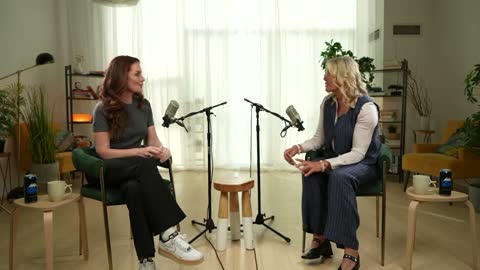
Welcome to Inflection Time. I'm Silken Laumann. Every life has turning points, those moments that change everything. In this podcast, I sit down with remarkable people to explore the challenges, choices, and unexpected events that shape who we are. From heartbreak to triumph, fear to clarity, these are the stories that remind us that growth isn't linear and meaning is often found in the moments we least expect. Inflection Time, uncovering the moments that make us.
Today, my guest is somebody I know really well. The founder, the owner of GoodLife Fitness, really the most successful Canadian gym fitness company in North America, one of the most successful in North America. You've been Entrepreneur of the Year in Canada. You've won, you know, 10 Best Managed Companies over and over again, or 50 Managed Best Companies. Like, you've just got one award after another. You started your gym with one person from what I understand, but we also know each other really well because we're married. Today, I'm interviewing my husband. We're having a conversation and I'm really actually very excited that we get the chance to do this. There's no pressure here at all on me. Okay, good. Yeah. So, a lot of people don't know your story and how you built this company from kind of its origin, which was one club in London, Ontario.
You were pretty young when you bought that first club. How old were you? 24. 24.
02:19 Growing up wanting security
What do you consider young? So, like you, I started to dream about being a great athlete, but it wasn't until second year university. When I was young, I didn't want to be hungry. Yeah. So, your motivation was kind of like away, away from hunger. Yeah, it was away from hunger. It was towards security. My mother was doing the best job she could because my father died as a little kid. So, I had two brothers. So, you're very aware of not. Yeah. What don't you have? You grew up poor. Yeah.
And so, is it fair to say when you first started your business, your motivation when you were younger was to not be poor? When I was like pre-12, the goal was to make money so I could buy some nice clothes. So, I could buy the food. You know, I'm laughing because, you know, I understand you to be a person that actually doesn't care about clothes. Like, yeah, you're just like. It's easy to not care about clothes when you can buy what you want. Yeah. But when you can't buy what you want, you dream about those things.
Yeah. So, security comes from the option to do what you want. Insecurity, desire, drive comes from an absence of security. It can. It absolutely can. For me, it did. I mean, you know, what I understand is like motivation can either be towards or away. So, towards something like an Olympic medal or away from the fear of not being important, the fear of not making imprint on the world. And maybe for most people, it's a little bit of both. Certainly was probably in my journey was, you know, something really finite I was working towards. But I also didn't want to be invisible. And that was important to me.
Yeah. I kind of transitioned that way. I mean, I went to school not far from where we're broadcasting, Bloor Collegiate, like Bloor and Dufferin in Toronto, right? Yeah. And back then, most of my other students were the children of immigrants. And they all worked hard, right? And it was, everyone knew if we were going to get ahead, we had to work hard. And at that time, I'm not sure what it's like now, but it was a rougher neighborhood. And, you know, you had to find ways to cope. And so I had those insecurities and drive at the same time I was a teenager.
04:43 Losing his dad at eight
You grew up, as you said, with not a lot. And that also changed when your dad died. I know you were eight years old. We actually haven't talked that much about it. You know, I know that had a profound effect on the course of your life, obviously. But there was also a lot of pressure on you because you were the oldest. I know you're, you know, your brothers, Jerry and Eddie, but you were the oldest. Did you feel like you somehow had to be the man of the family? Well, I didn't feel like it. I was told that by everybody at the funeral. Like, you know, you're the guy now. You're in charge. You know, it's a very clear message. You're responsible. And did that actually play out in your life with your brothers? Did you feel like you had to protect them and provide for them at some level?
More from my mother. My brothers were very self-sufficient, very capable in their own right. And, you know, they would probably tell you that, you know, I didn't worry about them enough. Right? Yeah. But, um. Well, I mean, you've told me some stories, you know, like the three of you kind of living in an apartment. I don't want to say running a little wild, but like your mom was in the apartment above you. You guys were still pretty young. And, I mean, I know your brothers ought to be very successful in their own right, you know, and you just seem to take that to a whole new level. I mean, that would be unusual to have that kind of freedom today. And I just wonder how that shaped you too.
You know, my mother worked, left home at seven or eight o'clock in the morning, got home at seven o'clock at night or later. She worked long hours. She was a bookkeeper, right? And, um, her thing with her job was, I'll work all these hours you need, but if I need to go home and look after my boys, I go home. Right? And, um, so there was that. And then because my mother was a farm girl, she expected us to be self-sufficient, independent. Yeah. You know, until my father died and my grandfather sold the farm, we used to go to the farm every weekend. So that, you know, and she grew up in the depression, you know, and, you know, you don't fool around, you get through things, you know, you suck it up. Right.
And so she, and she was looking after us the best she could. And in today's version, yeah, maybe we were a little wild. Yeah. But back then, you know, she was doing the best she could. I mean, in a lot of ways, we have opposite backgrounds, right? I grew up in Lorne Park. Um, we were probably the, the, everybody around us or me seemed to be like doctors and lawyers. And my dad had this window cleaning company.
And even that was kind of, you know, to have a working man's job was a little unusual where I lived. And the assumption was that you would go to university. Like, you know, there wasn't really a question of whether you'd go to university. It was an expectation where, you know, university was something that you did. But there was all these other things going on for university. Like, again, our experiences are different.
Like I was rowing at university. I was pretty serious student. You seem to kind of glide through your courses pretty well. I did really well academically, or at least, you know, the things that you were interested in, but you're also running a business.
08:07 The motorcycle accident and the physio clinic
Well, what happened is people here in college, a lot of them had problems from private schools. I didn't know what that was, but they had great study habits. And it's really boring when everybody's studying. So I studied for the first time in my life. I studied. Yeah.
And my marks jumped like 20%. And then I got a job at the local bar, the seeps, a waiter and a bouncer. And, you know, I had a good social life that way, right? And then I had this bad motorcycle accident where I ripped my whole body apart.
And, you know, I looked pretty bad. You know, this shoulder, as you know, still isn't as high as the other one. This arm still doesn't go straight. But, you know, I thought, this is it, man. And the physiotherapy department there was fantastic. And the physiotherapist, Dave Wise, you know, gave me some guidance.
And I asked him an innocent question. I said, it's led to my whole career. I said, if I came in more than 20 minutes, more than two times a week, would I get better faster? And he looked at me like I was clueless, because I was. And, you know, I was, you know, I'd done lots of sports. And he says, yeah.
And then, so I'd come into this clinic. And ironically, they had nautilus exercise equipment in it. Which was your first, what ended up being your first club. Yeah, it was this physiotherapy clinic. And I remember doing this exercise. Itsy-bitsy little spider goes up the water spout as I tried to get shoulder mobility.
And the woman on the super pullover, the nautilus super pullover, was doing 200 reps. And the sweat was flying off her. And I felt so inadequate. So I started coming more often. Ended up coming four hours a day. And I got insurance money.
It's permanently disabled. And I said to the insurance company, what if I'm not disabled anymore? Will you lose the money? I thought, it's worth it. Yeah. But that taught me that in fitness, what you get is way more important than money.
And so as a result of that experience in the physiotherapy department,
in recovering from the injury and getting my life back, I decided to switch from going to business school, which I decided to do, into going to physical education and physiology. I thought, I can do business. And they... Well, you were already doing business, weren't you?
Yeah. And because I got accepted, let me take my optional courses there. But I wanted a skill. I wanted to change people's lives the way my got changed. And that has been driving me ever since. Yeah, it really has.
You know, you obviously had... You know, you had so much instinct for business. I mean, you know, you ran a snow plowing business, Altru University. As you said, you were making more money than your professors at that time. In fact, eventually they kind of wanted to throw you out of your master's program,
didn't they? Because you were... Because I wasn't committed. Yeah, yeah. Because you were snow plowing more than you were studying, right? Well, I fell asleep at the oral exam.
Yeah. Well, that's not good. Because I'd worked all week and not gone to sleep, right? Yeah. So you're used to kind of doing things your own way, right? And you start your first club in 1979.
But just for the record, those same guys gave me an honorary PhD, gave me a special award. Yeah. Yeah. Comes back. That comes back eventually.
You know, you forgive them now, right? I love them.
You do. You're a very, very loyal University of Western, Western grad. And I know you've also done a lot of philanthropic work through Western. You funded in autism research. So we'll talk about that a little bit later.
11:42 Buying a club that was going broke
But just to stick with the building of your club in 1979,
that was like you were still, you were a university student or just finishing university. To buy your club, did you feel like you were taking a risk?
Huge risk. But it wasn't just a risk. It was what I was giving up. And I often compare it to you. Mm-hmm. So, and back to your first question, where, what point of comfort was I operating from?
Mm-hmm. So I've been snow plowing. I was doing my master's at that stage. And I've been snow plowing for years. And when you snow plow, you freeze all night. Back then, you did it anyways.
And it's hard work. You go all day, all day. Yeah, it's snowing. Yeah. Yeah. And so I had the national rowing team.
I was training for the national rowing team. They said, work out at this club. They said, you train on this stuff. And I was training on it. And I got to know the owner. And I would ask him lots of questions.
And I'd done one of my projects in business school and opened a squash club. So I knew some of the questions to ask him. Mm-hmm. And he looked at me one day and said, well, if you're really into it, why don't you buy this business? I said, what do you mean? He says, I'm going broke.
I'll be honest with you. So you're buying, that's not a really great sales pitch. You're buying a business that's going broke. So what made you think you could do it better? Because I'd been in that club and I saw how it ran. And Bob that ran the club worked in Sarnia.
Mm-hmm. And he came down and he slept on the floor when he was doing stuff. His son came to work for me a few years ago. Mm-hmm. Right? It was just like he made a business decision, wasn't right for his life.
Mm-hmm. What it needed was 100% commitment. And what I brought to it was not just how you do it. But, you know, I had a degree in physical education. I knew how to train people. You know, I trained as an athlete.
You know, when I think about it, like so many, I would suspect you're one of the few people who had a degree in physical education and kinesiology that became a hugely successful entrepreneur. Like, the product means something to you. And I know that. Like, you couldn't have been building widgets or like the fact that it's fitness. And a lot of people don't understand that, I think, about the fitness business.
Either they have a passion for it and they don't have the business acumen. But you really had both. Yeah. So that's kind of why. Was that, was it? Like, is that what made you buy it?
14:14 The Pan Am Games or the business
The other part that I didn't actually finish with is I was supposed to leave the next day with the crew to train for the Pan Am Games. So I had to decide that night. Now that actually is an inflection point. Yeah. Yeah. But I had to decide that night, which dream are you going to follow?
Yeah. Like, you know, are you going to go down and train with these guys in the Pan Ams? Or are you going to have this chance to take a business that is a total failure just because you think you can do it differently? There was no model to follow. No one had ever done it the way I wanted to do it. Mm-hmm.
And so the guys went down, they trained, they won a gold medal. Mm-hmm. I actually beat most of them again in the summer. Mm-hmm. But I didn't get a gold medal in the Pan Ams. They did, right?
Yeah. And then. Because you made that choice. You wanted to go for it. And the business did nothing but lose money the first year. Well, where did you get the money to keep it going?
I kept snow plowing. Oh, okay. So you're doing two years. Yeah, I snow plowed. It was your side hustle. I snow plowed for another five years.
That's what I lived off. I actually didn't know that. I didn't know that you were doing that. He's like, the story I've heard told, again, you know, it's interesting when you talk about it a little differently, was that like every year you doubled from one to two to two to four. That part. But it was a while, like it was a while until you got onto solid ground in the beginning.
Oh, yeah. I mean. Because like a lot of entrepreneurs really wonder that. Like I know people, some of our listeners are going to be thinking, oh, yeah, like everything went smoothly and then you got two clubs and you got 40 clubs and you got 80 clubs. No, it was nothing like that at all. I mean, I lived off my snow plowing business for those first five years.
I didn't get a normal car. I'd been in business six years. So I snowed the snow plow business. And I always made less than my staff. Mm-hmm. Right.
You know, it's funny, isn't it? Because by the time people know about you, know about me, you know, you're already well-known. Yeah. You've already accomplished. And it's easy to forget the journey to get there. And like you said, the decisions that you made, like go to the Pan Am Games.
Don't go to the Pan Am Games. You know, for me it was like row, but don't have a social life. I could only do two. I either had to row and go to school or go to school and have a social life. Maybe I'd have a job. So like that's the thing I gave up.
I was just ending rowing when you started. And I heard about this woman who's rowing 200. Oh, here comes the story. She was rowing 200 kilometers a week. Yeah. And a single.
I raced a single and I rowed 120 and people thought I was crazy. Yeah. So you had a reputation as being like extreme, extreme, extreme. And then you won the world championships, right? I mean, I think that's actually, I always say we have a lot different about us. Like I definitely would not have fallen in love with you when you were in your 20s.
You were way too wild for me. You were so much of a risk taker. But I think what we really have in common and still have, we have a lot in common. But what we definitely have in common is that intensity and that passion when we decide we want to do something. I just want you to think about a couple moments.
I can certainly recall some in my rowing career that are kind of like funny, that really kind of illustrate what you were willing to do. Did some hard things. It's like Nautilus equipment had a tariff. Can you imagine that? A tariff, a Canadian tariff on it.
I can't imagine. Bring it into Canada, right? And there was a difference in dollars. So I used to drive down to the United States, buy used equipment in a U-Haul, put three times the weight that I shouldn't U-Haul, drive in the back roads, bring it back up to Canada, right?
And then I'd sand it like you would sand a car when you paint it. I'd paint it by myself. And then I'd have quasi new equipment, right? And that's how we got started, right? But I do remember bringing it in one time, Queen Street in Toronto. The battery died in the truck and I had to get another U-Haul, come up, back it up.
And my brother and I moved the equipment from one equipment in the middle of rush hour. And like people are beeping their horns. People are really at you with this. But you know, there's a hundred stories I could tell you like that. Yeah. And they're funny and they're kind of profound in their own way because like most people
would have given up. You almost lost your business a couple of times in the early days. You know, you sold your house multiple times. Five times. You sold your house multiple times. And that's how you mortgage, like that's how you built your next club.
I wanted to build another club. I needed more money. The bank says you got to put something in. So I sell my house, get some more money.
Sleep on my friend's couch.
18:58 The culture he built at GoodLife
It's true. But your life changed a lot. So, you know, what I have always understood about you is GoodLife Fitness is your first baby. You know, it's what you created. Your DNA is in it. There's a very special culture at GoodLife Fitness.
And you know, a lot of companies say that. But, you know, your company started with you. You are still embedded in the DNA of that company. How would you describe the culture that you created? And, you know, not only you, of course, your team.
Paternal.
So it's like, I have like the best group of people you can imagine. You know, the 50 best managed companies we've won, I think, 25 times. That's pretty significant. You know, I was given CEO of the year because of the management. Right? You know, CEO means you've got great people.
You know, my upper management, there's no turnover. They've all been with me since they were 18, 20 years old. But now they run these big companies. Yeah, I see that. But they're competitive. Like, our culture is highly caring the way a parent would be.
Yeah. But we are competitive. We are not going to lose. It's actually not paternal because you have a lot of great women and paternal course. Okay, sorry. It's men, right?
But like, it's like you really. More women leaders than men. Yeah, I was going to say, like, I think you were one of the first companies that really did create equal opportunity for your women leaders. And you have a lot of women in leadership position, like, throughout the history of GoodLife. Well, yeah. I mean, my best hire was about three years into it.
I hired Jane Riddell, who had done her master's at Western. And she wanted a part-time job and a free workout. And she ended up being my second charge for until she retired two years ago.
20:53 Purpose beyond the business
You've reached all the goals you set for yourself at GoodLife. I never set any of those goals. You know, I just kept changing the bar. Yeah, exactly. But I mean, like, you don't have to work anymore. You don't have to do this anymore.
Why are you doing it? I think what else can I do in my purpose is more about helping with autism. Like, I want to create a prize, like the Nobel Peace Prize, but for autism. To encourage research in helping people improve the quality of life with autism. Mm-hmm. So some people are very high-functioning, and other people can't communicate.
Mm-hmm. So that's a big thing for me. Working because you've got this great team behind you. Yeah. But you also have a greater purpose in your work. Yeah.
And your, and of course, your charitable work. And they're all kind of tied together. Yeah. And don't forget, my work is my love. Mm-hmm. Right?
Like, I love helping people. Like, that turns my crank when I get those thank you cards. I know. It's funny, right? When we get to the stage and you're, you know, a few years ahead of me. Um, but like a lot of our friends are retiring and people always ask us, like,
when are you guys going to retire? And I was like, well, we don't like have to retire because we have so much flexibility in our schedule. So it's like, why would we take up like knitting or golf when. Nothing wrong with anything. Love what we do.
No, go for it. But like, you know, you love what you're doing. I love what I'm doing and I think that is a gift. Yeah. And, you know, in the fitness world, I'm improving the quality of people's lives. That is a form of charity.
Yeah. Right? Yeah. I know you feel that. That's my mission. What you do concretely makes a difference in people's lives.
It's like rewarding in itself. I often think of doctors who work so hard, but some day, every day, maybe they have to tell someone something not so pleasant. I don't have to do that. You know, I get to tell people, you're going to feel better. You're going to look better.
You're going to live longer. It's not a bad thing. No, it's great. As an Olympic athlete and the founder of Unsinkable Mental Health Charity, I know the power of a supportive community in reaching your physical and mental fitness goals. That's why I love GoodLife Fitness.
It's more than a gym. It's a place where you can really thrive and find connection. As a special thanks for joining today, you can experience it yourself with an exclusive seven-day pass to any GoodLife Fitness location across Canada. Visit the link in this podcast description for access. All of my podcast guests have shared the importance of physical activity in their lives.
Together, let's build a healthier and happier Canada.
23:40 Kilee’s diagnosis
Fast forward to children. And I know for me, having kids has been, like, made a monumental change in my life. And, like, for me, it happened right after the 96 Olympics. So I went right from being an Olympic athlete to being the mother of William and then two years later, the mom of Kate. And, I mean, there's nothing you can do to anticipate the way that kids are going to change
your life and, like, your priorities. Everybody says that. But when you're actually in it and every day you're making choices, like, do I work more? You know, do I come home at three o'clock? You know, what do I make for the kids for lunch? Like, do I work out or do I spend, you know, another half hour with my kids?
There's so many choices all the time. I mean, you, you know, when you had kids, it was a pretty important time in your business. And then, Kilee, you know. My oldest girl. Yeah. Kilee, your firstborn was diagnosed with autism.
And, I mean, I know how challenging it's been with Kilee. That must have changed your life, like, in a millisecond. It was the hardest thing.
You know, we went to find out why our daughter didn't hear with my first wife. Why our daughter didn't hear very well.
And the psychiatrist tells us, she's autistic. You should probably put her in an institution and get on with your life.
It was pretty hard. It was pretty hard. Yeah. It was pretty hard. Yeah. It was pretty hard.
Yeah.
So, uh, it's not going to happen.
And you've just been this amazing parent to Kilee.
You've been, you've, like, never stopped believing that she can learn and she can grow. And you've never hit her. You've brought her front and center into your life. You brought her places that, you know, to movies and to business conventions. And, you know, I so respect how you've shown up for Kilee, like, all along the way. And you have a really special relationship with your little girl.
And we still call her a little, right? Because. Even though she's 29. Yeah. She's the oldest of all the kids, right? And I think they still refer to her as my big little sister.
Besides the diagnosis, which I know is like, I can't, actually, I can't imagine because I wasn't part of your life at that time.
26:27 “Just love her the way she is”
Yeah. I was really lucky because I'd given my massage therapist, who's a longtime friend of mine, a book called Out-Smarting Your Karma.
And the guy who wrote the book, his name was Kaufman, had a son who had autism. And he helped him get out of autism in that particular case, right? And a gentleman that trained with him was from London, Ontario, originally. His name was Jonathan Alderson. And Jonathan is still one of the premier trainers in autism in Canada. And he said to me, Patch, you know, just love her the way she is.
And that was pivotal.
Because all this stuff you have, what is her graduation going to be like? What sport is she going to play? All that stuff. Is she going to have friends? Drop it. Just drop it all.
You know how hard that is for someone like us? To let go of all the aspirations and to say, enough is good enough that's good enough. I mean, the key thing in my book, Living the Good Life, is good enough is good enough. And all of a sudden now I had to say. You had to have to live it. Yeah.
So I have a daughter who at the time was totally nonverbal, pulled all her hair out, screamed in y'all all the night, and went to the washroom on the floor. Love it. Right? And so. Like love her, but also embrace her behavior. Yeah.
And don't criticize it. Just focus on positivity. Just catch what she's doing right. And that simple act of catching what she's doing right, step by step, let her down a path of, oh, daddy liked it when I smiled. So, whoa, you smiled. Fantastic.
Way to go. Right? And now she smiles more often, right? Now she smiles a lot. So it was all based on reinforcing the behavior you wanted. Exactly.
Right? So what happened at work was the competitive push, push, push guy transformed and added, way to go. You're great. You've done a good job. And that makes such a difference. Because most people don't get told enough that they're good.
Right? And it's not that we're not highly competitive at work. Mm-hmm. But I also recognize how talented my people are.
28:58 Failing more often than winning
Right? But how is it like when you fail? Like, okay, so when something doesn't work, how do you make it not part of you? I'm sure people listening are wondering that because most people make it about something they did wrong. So in my humble opinion, if you don't fail more than you win, you're not trying hard enough. Mm-hmm.
Like, if you play a sport, the majority of the time you're not going to win. Mm-hmm. There's only one winner, right? Mm-hmm. There's only one. You run a marathon with 20,000 people.
There's only one person wins. But you never meant it mean anything about you. Like, you never let it mean anything about. But were you learning from your losses? You always learn from your losses. Yeah, I think so.
You learn more probably than you do from your wins. Mm-hmm. Unless you figured out why you're winning. Because you should do that. You should figure out why you're winning and repeat the behavior that works and get rid of the behavior that doesn't. Mm-hmm.
But not think about it too much. Like, don't dwell on it. Just think, hey, I had a good race today. What worked? So do you think there's a difference between women and men and their ability to, like, let it go faster? I think women are better at it.
Letting it go? Yeah. I think women get saddled with too many preconceptions, too much responsibility.
In many, you know, stereotypical setups, they're expected to do stuff. Mm-hmm. So to raise their kids more, to do multiple jobs at home and stuff like that, you know, they have to fail a lot. Mm-hmm. Like, there's, if you're a parent, you've failed a whole bunch. Right?
But your kid's still there. You're still a kid, you know, they're doing okay. And, you know. Yeah. Yeah. It's interesting.
I'm just thinking as we're talking, and again, I kind of have a secret look because nobody else would know this about you. But as much as you're incredibly resilient when it comes to, like, business and your successes and trying new things, the thing that really throws you back is with when it's personal relationships, when it's people that you love. Oh, totally. That is, that's really hard for you when there's conflict there. And why is that? That's probably an insecurity from childhood.
Mm-hmm. You know, when you only have one parent, you don't want to lose them. Yeah. Right? So you're coming from a kind of like a fear of almost like, I don't want to use the word abandonment, but like that somebody. I don't know the right word, but, you know, I love my friends.
I love you. I love my kids. Mm-hmm. You know. So I think the deeper, the stronger that emotion love is, the more risky it is. For sure.
But, you know, I will take the risk all day. Mm-hmm. Well, you are, you're a risk taker. No, but, I mean, to not love because you're afraid to get hurt, to me, is the real hurt. Yeah. Like, you've got to put yourself out there for people to be willing to put themselves out for you.
32:17 Moving across the country for love
Mm-hmm. Mm-hmm. Well, we had that in our marriage. Yeah. I mean, you moved across the country.
All your business was in London, Ontario. You moved yourself, your kids, Kilee’s caregivers, to Victoria to be with me. Yeah. And that was a huge risk. So how terrified were you?
Um, it took a lot of thought and planning when I did it. Yeah. It took a lot. When I got there for a while, it was second guessing a lot. Yeah. Those plane rides, there were way too many of them.
Yeah. But, you know, I don't think I ever thought, uh, I never thought, dumb idea. I thought about it, decided to do it. And what's the worst that could happen? I moved home. Mm-hmm.
Yeah. Well, we, you know, we had a lot of talks before that, you know, and I remember, you know, you, you said something like, well, you know, why don't we just try it? And, you know, and I'm like, no, there's like no try, right? There's do it or don't do it because I had small kids. And she doesn't even watch Star Wars.
Yeah. Yeah. Try or try. What is it? Do or do not. There is no try, right?
There is no try. And that's how I felt like, cause like we've got kids involved. So this, this has got to work. And so that for me, there was that we're going to make this work. And I really had the sense that, that you were there too. And I think one of the things in our marriage that I have.
You forgot to say that I actually brought my ex-wife out there. Oh yeah. Your ex-wife and her kids. I mean, it was just like, it was just a parade of people that came and lived in Victoria. Population of Victoria double.
But I mean, it was, it was a risk and it's, and it's worked out pretty well. Yeah. Yeah. I think we both operate from a framework of helping those that can't help themselves or helping people in scenarios that they can't help themselves. And, you know, we both done a lot, you know, as givers and charity and stuff like that.
And, um, you might ask yourself, why do we do that?
You know, from my side, I learned it from my mother. Cause even when we were poor, we brought people in who were poor. Right. Well, she, she would always have somebody for dinner. Like that, the kid, the person that wasn't, had, had nowhere to go at Thanksgiving. Like even when I was in the picture, there'd be somebody I'd never met before because they
had nowhere to go for Thanksgiving dinner or Christmas dinner or whatever. She's always bringing people. That's the way I grew up and we had, we had, you know, three bedrooms in the house and one of them was for the boarder. Right. Yeah.
Um, that we needed the money, but the boarder would often have friends who didn't have anywhere to go and they'd stay with us too. Right. Did your, a lot, a lot of your charitable work and that your kind of passion to make a difference actually start with autism and Kilee?
No, it started with, um, I didn't know what autism was until Kilee was diagnosed. Mm-hmm . So we were based in London, Ontario. So it started with the hospital there and raising money for the hospital. Mm-hmm . And obviously with getting repaired by the hospital, I felt an affiliation.
Mm-hmm . And we, you know, and then it started with members causes. Like we've been big supporters of ovarian cancer forever. Breast cancer. Mm-hmm . Um, you know, arthritis.
I got arthritis when I was 32, so big supporter of arthritis and, you know, so most of the charity stuff was driven to help people in times of crisis. Mm-hmm . And do you feel like, because your life has been, you know, you had the years of struggle when you were a kid. And since then, you know, you've had a lot of abundance financially too.
And is that something that really you kind of want to share and you want to give other people opportunities you didn't have? What I, it's not quite that way. Mm-hmm . It's, what I want to do is help people that have had an issue so out of their control. Okay.
Right? Like autism? Like autism. You know, um, it's like, what is it? Where does it come from? Why do I have it?
What am I going to do about it? Whose fault is it? I want to help people with those problems. Yeah. You gave a significant amount of money to the Pacific Autism, uh, GoodLife Pacific Autism Center because of that, right?
That it was like a, a place where families could go for answers and also for support. Yeah. And also, I tend to give money when somebody else is driving it to. Like Wendy and Surge, that they took 20 plus different autism organizations in Vancouver, got them organized in British Columbia, and then got money from the government to do it. And that was the key private fundraiser, right?
Yeah. But you know, those two people made a big difference. And Roy- So where you can have an impact, where you trust that other people will shepherd that donation. Yeah.
Because you don't have time to shepherd them all, right? No, I mean- Yeah. And like, sorry, I'm going to just like, I think, you know, you look at some of the companies and individuals that are giving in Canada. And you're actually one of the more philanthropic companies and individuals, but you know, you
don't necessarily put that front and center in your life or in your company. And we talk, good life kids, of course, is something that's promoted through the company, but you give a lot of stuff just kind of silently. Yeah. And that's what I do and like to do. But there's also champions that I like to support, like Brent Lanting up at University Hospital, became an expert in, you know, repelies and knees and hips.
And you've had a few of those. Yeah. He's done me three times. You're just- I got four, I got four hips guys. Yeah, let's actually, let's just-
And you know, our Dr. O, that was created by Heather Evans, no relation, but a lady that works for me in Calgary, whose seven siblings, six have died of heart disease, inherited. She's survived, I don't know how many heart attacks, so much bravery, like coming out of her mind. And you know, and she's so powerful that when she can work, the membership in the club she runs doubles because she's such a missionary. Yeah. And every time she's in the hospital, she's signing up the nurses. Yeah.
So he was like- So we created an award in her honor, and then we funded all this research on women's heart health because nobody else was doing it. And Dr. O was in charge of it and he's brilliant. Yeah. So causes like that where I can relate to solving a problem, helping, you know, there's not enough research in women's stuff, right? And, you know, and a guy, people that would make a difference, right?
I'm excited to share that Ventum Financial, a sponsor of Inflection Time, has launched their new podcast called Relevant. At Ventum, they believe that sharing someone's story is a privilege and Relevant brings those stories to life. It's where leaders, creators, change makers share ideas, shaping business, culture, and the world, one conversation at a time. I'll be joining Relevant for an episode to talk about resilience, optimism, strength, and how these qualities help us grow through change. I hope you enjoy that episode. Check out Relevant by Ventum Financial, where people are discovered.
39:58 Living with pain
I mean, you have, you know, you're this business guy, you are very successful, but you're like, you're really a marshmallow too, right? You're very soft and loving and caring. And I wonder if you're not only the autism, but the arthritis, like you got arthritis at 32. You've broken more bones in your body because of the prednisone and the side effects of lifelong use of prednisone. I mean, you broke your pelvis five years ago, you've had fore hip replacement, you've shattered your femur skiing. What was that?
Two years ago, 22 places had another hip replacement. Like the physical. Good thing I got a nurse. Like the physical. Yeah. Yeah.
We're not even going to get in that one. Um, but like the physical pain that you have been through in your lifetime. I mean, it's frightening when I think about that and your ability, what gives you the ability to cope with pain? Well, first of all, there isn't an alternative. Yeah, it's true. And I, you know, I think another thing is it doesn't occur to me and I won't blame somebody.
Mm-hmm . Right. And I won't say, why did I get it? Mm-hmm . Right. I will not be a victim.
Mm-hmm . Right. Well, nothing to do with that. I can hear that commitment. Right. And so like, my big thing is, you know, it's t-shirts in my clubs, is don't let the things you can't do, stop from doing the things you can.
Oh, I, Patch, I really see that in you. Like, you know, when your leg was in 20 places and you'd had four blood transfusions and I mean, you were so weak, but you still were getting on the stationary bike. Like, I'm talking, well, you, you were, we sent you an ambulance from Vancouver to Victoria and within four days you were on the stationary bike. Like hardly being able to put any pressure, but you knew that just by keeping your leg moving. Like the, the willpower I've been injured a lot. I, I, you know, broke my humerus, my, my, my, my arm bone in five places a year, two and a half years ago.
I know what it's like to have that kind of intense pain. I was a nurse that time. You were the nurse that time. But like, I mean, you, you know, so where does that come from? Like that is so hardcore. I betcha it comes from the farming gene.
You know, I remember working on my uncle's farm. It was kind of almost like a midnight farm when I was 13. I said, this is the hardest job in the world. Right. Compared to other ways I could make money. Yeah.
And I think. So like you learned the hard work. I learned the hard work. I mean, we started working at six in the morning. We worked till, you know, dark and you know, there's lots of farmers in my background.
So maybe it's that. Maybe it's. Which is maybe. Yeah. I think there's, there's. But it's also, it's a decision.
Yeah. Yeah. You can decide what you want to be and how you want to feel. And you can decide to be a victim or you can decide, forget it. Yeah. Right.
You know, like I was told not long ago that for the level of arthritis I have, and all that kind of stuff. I'm way past my due date. Mm. And I think the reason I'm way past my due date is because of positivity. Like choosing to win.
Mm-hmm. Right. Thinking about the right things that are right. You and I sometimes disagree about this. Because I think my understanding of kind of like being a human in the world is more nuanced. I absolutely believe in a lot of things that you say about, and I am myself.
You know, I always look for the light. I look for the positive. I too don't feel like a victim even when really crappy things have happened. But I also am familiar with sadness and depression. And I don't think that you can always make yourself happy or you can always choose to be happy. I think there are other forces in play right now and, or sometimes in people's life, including chemistry, including like being given a chance to.
Like there are people out there that it's like nothing has gone right. Yeah. Nobody's believed in them. And you know that too. Like you, you know, you, you've seen that with autism. Like Kilee's got not only autism, she has seizure disorder.
She has bipolar disorder. Like it there, she's got so many things layered on top. And you always say like, what more can this kid be given? Like life is not fair. Yeah. So how do you, how do you balance in your, like in your thinking, those two sometimes opposing forces of like wanting to be positive, being, you know, searching for the things that you can do, but also allowing sometimes for things not to be okay.
So, you know, my quickest answer is I go for a workout, but, um, I don't beat myself up if I'm not feeling good. Mm-hmm . Right. I don't worry. I don't get worried about not feeling good. I just accept that I'm not feeling good.
Mm-hmm . But you just put an inflammatory state? In an inflammatory state. Or an inflammatory state. Or, um, I've had a financial setback or a family setback. Um, like you said, the only thing I get worried about is personal.
Mm-hmm . But all the other stuff, you know, I broke another rib. You know, sometimes it's breaking two or three ribs a month, as you know, right? Mm-hmm . You know, when you take an x-ray, my ribs are all broken. Mm-hmm .
Really, does it help to worry about it? Not so much. So I'm lucky that I don't have a chemistry imbalance like my daughter does.
There's nothing she can do about that. But if I keep feeding her positivity, some of it gets into her, right?
And so... Well, to me, it's not just positivity with Kilee. It's that you show her love. And you show her love that's unconditional. Like it's easier for you to accept Kilee almost than the other kids. Because in your mind, she is perfect.
Right? You would love her to have other opportunities. Yep. But you're right. I don't have expectations. You don't have any expectations.
So it's all... Yeah. Yeah. I'm just thinking though, it's, you know, just kind of coming back to this, the burden of pain that you've had your whole life. Because I know a lot of our listeners will be struggling with maybe pain in their bodies with an obstacle that just seems overwhelming. Like we all do, right?
Like there's times like, it's not true to say there aren't times that we just think like, how are we going to get through this? And I know what you've been through in the last two years and how many infections you got in your leg. How many times we were both sitting there and going like, this could go one way or another. Yeah. Yeah. And then on top of all of that, you know, I was stung by a bee in January, a wasp probably, and almost lost my life to anaphylactic shock.
I had an EpiPen, but you know, when EpiPen wasn't enough, I was hiking in a remote area. So I feel like, like the layers of challenge that we've had in the last two years, just around the physical stuff. And I know like, there were a couple of times last year where, you know, we were both like, when is this going to end? So I guess my question is twofold. Like when you're feeling like that, I know what I think of. I just think of the expression, this too shall pass.
You know, like really knowing, I think when I had my accident in 1992 and I got through that against all odds, like my leg was shredded. My ankle was broken. I had like a seeping wound at the 1992 Olympics and I won a bronze medal. And that was just like, for me, kind of this, well, this moment and inflection point for me where I was like, wow, the mind really is stronger than the body. Like the mind can do things. And then I think also like when I was growing up, you know, sometimes there's just so much chaos in my house and so much emotion, so many things that I didn't understand.
But I always knew I was going to be okay. And that's kind of what I sense with you that like, no matter what comes up, you just know you're going to get through it. Well, that's true, but I know there's a time I won't get through it.
Right. I know all the perseverance, all the hope, there's going to be a time I don't get through it. I don't want to think about that time. Yeah. But it happens to everybody, right? Mm-hmm.
And I choose to operate without that fear.
And it's not that, you know, when I can't get out of bed because every bone hurts, when I can't open the door and have to wait for someone to open it. It's not that I don't get hyper frustrated and lonely and agitated and wonder why can't I open the door. Mm-hmm. And I mean, that kind of. But like you said, you kind of go, okay, someone will come to the door sooner or later. And that's the kind of, it'll pass, right?
Except that we're aging. Yeah. And with aging, you know, I was with my dad this weekend. He's 88. I'm like, there's just that, like, every time I see him, there's that level of capability that he's lost. And I don't think you can hit even 60 without starting to notice how the capability starts to diminish.
And do you think the fact that you've had so many moments where your capabilities have been diminished when you were 30 and 40 and 50 is going to make a loss of capability as you age. Worse. Easier or worse? Worse.
51:32 Appreciating what comes back
Okay. Right, like, you know, you've essentially work, fight to get it. And, you know, the bonus of becoming an old man at 20 when I got arthritis, no, 32 when I got arthritis, at 20 when I got technically disabled, the physical, the bonuses of that is I appreciate stuff. Mm-hmm. I think I appreciate things at a level most people don't appreciate.
You know, even a year ago I had cataract surgery. And all of a sudden everything's more colorful. Right? Yeah, you convince a lot of people to get cataract surgery. Yeah, but, you know. The sense of potential loss, the sense of being given another chance, those are wonderful things.
Right? You know, unless you've been there, you can't know what it's like. You know. You know, and so you can imagine it, but you don't know what it's like to have a autistic child if you haven't had one.
52:38 Two close calls
Yeah. And, you know, it just, it does resonate so much because, you know, a lot of people say, oh, I had, like, that was a near-death experience, you know, because, like, the car in front of them cut in front of them. And you almost died on the mountain the day that you, you almost bled out on the mountain. And it missed your femoral artery by less than a centimeter.
In January this year, I was lying on the trail knowing that I'd used my one EpiPen, knowing that I was, like, at least an hour from the trailhead. We were out of cell range.
And there was a good chance I was going to have a second reaction. And I just remember, like, looking at the roots of the trees and going, wow, like, just staring at them, they're so beautiful. And I was thinking, like, wow, I just, I didn't think it would go down this way. Like, all these thoughts, right? And then, and then just being flooded with gratefulness, you know. And I actually thought inside my altered state head at that moment, like, I've had so much fun.
It's been a good run. Uh-oh. I'm like, can you feel, I feel really emotional. And then I, you know, snapped out of it and I kept going.
Meanwhile, I'm trying to get, I'm on crutches, guys. You know, I'm like 45 minutes away. My step sister-in-law runs to me. I got a better phone. I managed to get help, get some paramedics. They come in a boat.
No, we had boats, helicopter. We had everything. Helicopter rescue and all kinds of stuff. And meanwhile, I'm thinking, hmm, wasn't planning on this. I think we both emerged. Nothing's been the same for me since then.
Like, it sounds really, you know, not even silly. It just sounds like what somebody else would say, right? Like, oh, the colors are brighter and the smells are stronger. And like, you know, everything's more beautiful. But like, it actually is. It's like, we go through this life and so many people are just kind of like stressed and they're rushing.
And I do that. But like, since having that experience, and I know this has been because we've talked a lot about it. And it's not the same. It's, there's a sense of the preciousness, not just of like life in kind of a going forward fashion. There's actually a preciousness to like everything you do. Every moment you, you know, laugh at your dogs, you know, chasing each other on the lawn or, you know, just noticing how when the sun is setting, you know, the mountains in the background.
Cause we live by the mountains, it's like, they're so dark and they're so beautiful. And sometimes I feel like, you know, like I've in an altered state, just looking at something like, wow, this is so beautiful. But I'm really glad I had that experience. Cause I feel it's brought an awakeness. And I thought I was awake before, but it's brought another level of it. Yeah.
And we talked about it, you know, I experienced that bright light as we talked about it, but I didn't have any sense of peace. You know, I was falling towards that bright light and I didn't want to go there. And I was swimming upstream in that corridor, you know, and then I remember telling the guy in the ambulance, you know, what kind of drugs did you give me? Like, that was the worst thing that ever happened to me. Right. And so.
And they're like, we didn't give you any drugs at that point. Yeah. So, you know, but in reflection, I understand now that that's what was going on and how close I was and how much willpower made a difference. Right. And, and I think what pulled me back was when I called you and you answered on a Saturday night, which you never, ever do. And I called you and I said, look after Kilee.
Do you remember what I said? Mm-hmm.
I was mad at you. Yeah. I mean, it could have been the last words, but I'm like, you get yourself off that mountain. I'm not looking after Kilee. I'll, you get yourself and we need you to come home. Stop worrying about Kilee.
You need to survive this. Yep. And I, and I was scared because I thought, wow, that could be like the last thing I said to you. But you know what? I think, I think what we're both coming to is that the things that you do in your life, it's not about what you do. It's who you become by doing them.
Exactly.
57:26 Where hope comes from
Right. And we've both had that privilege. So I guess the last thing I would ask you is about hope.
And I ask that question in the context of where we are today politically, like around the world, the fact we have four children and they often say it's like hard to be hopeful. And you know, you kind of answered this question in a lot of ways, but I, but as you look forward into, you know, our, even our kids future, what are the things that make you feel hopeful? But also like when you do feel like you're despairing for a millisecond, cause I know you don't despair often.
What is it that brings you back?
How can I make a difference?
Right. I don't look for hope externally. I look for what I can do.
Can I open the door for somebody? Can I smile at them? Right. You know. Like being kind. Yeah.
It's just like, if everyone thinks about how they can help, the world will be better.
It's not that complicated.
Yeah. It's like, don't think about what you can take. Think about what you can give. Yeah. Right. And then things will work out.
It's right back to what I talked about with my business. Well, not only work out, but it's like the kindness, the act of being kind itself makes you hopeful. Like it, you know, somebody in Starbucks yesterday was like super kind and smiling. And I said to him, thank you for being kind. And he said, oh no, I think kindness matters. Yeah.
And it does. So thanks for being on Inflection Time. And it's been a fun conversation. I feel like I've learned a few things. You do a good job. Thank you for joining us on Inflection Time.
We hope you enjoyed the episode and we'd love for you to follow us by subscribing and sharing our podcast on Apple, Spotify, and YouTube. Inflection Time is an Archer & Co. Productions sponsored by GoodLife Fitness and Ventum Financial. A special thank you to our incredible in-kind partners, Carter Wiley and Tall Boy Water. Executive producers and directors, Michelle Archer and Phil Kluba. Producer, Christine Bays.
Creative development, Sarah Carter. I'm grateful for Smythe for helping me look good. Thank you for listening.
Key takeaways
- Security was the first goal. His father died when he was eight, and his mother worked long hours as a bookkeeper. Patch says the drive he felt as a teenager came from not having enough.
- An injury became a career. After a motorcycle accident at university, he spent hours a day in the physiotherapy clinic. Getting his body back made him switch to physical education, so he could change lives the way his had changed.
- Letting go of the plan. When Kilee was diagnosed with autism, one piece of advice changed everything for him: love her the way she is. Dropping every expectation, he says, is hard for someone like him.
- Catching what goes right. Praising each small step Kilee took changed how he led at work too. He found that most people are not told often enough that they are good at what they do.
- Not a victim of pain. Arthritis since 32 and many broken bones have not stopped him. He accepts the days he feels bad, does what he can, and says the losses taught him to appreciate things more.
David Patchell-Evans
Founder of GoodLife Fitness and autism research advocate
David “Patch” Patchell-Evans is Silken Laumann’s husband and the founder of GoodLife Fitness, which sponsors Inflection Time. GoodLife began in 1979 when he bought a small club in London, Ontario, and grew into Canada’s largest fitness club chain. A serious motorcycle accident at Western University led him to fitness through rehabilitation, and he became a five-time Canadian rowing champion. After his daughter Kilee was diagnosed with autism, he co-founded the Kilee Patchell-Evans Autism Research Group at Western.
- Canadian Business Hall of Fame: inducted as a Companion, 2021
- Ontario Chamber of Commerce: 2019 Lifetime Achievement Award
- Western University: Kinesiology Alumni of Distinction Award, 2024
- Pacific Autism Family Network: board profile
-
Living the Good Life
Health and Success for You, for Canada
Patch tells his own story, from the motorcycle accident that led him to fitness to building GoodLife, with practical advice on exercise, diet and life.
Get the book
Resources 9
Research and sources behind what was said in this conversation.
- Autism: Overview Government of Canada What autism is, how it is diagnosed, and where Canadian families can find support.
- Autism Canada autismcanada.org Resources, support and education for autistic people and their families across Canada.
- Challenging the Myths of Autism (Jonathan Alderson) 49th Shelf The book by Jonathan Alderson, the autism specialist who told Patch to love Kilee the way she is.
- Living the Good Life (David Patchell-Evans) 49th Shelf Patch’s own book, where he writes that good enough is good enough.
- Rheumatoid Arthritis Arthritis Society Canada The form of arthritis Patch has lived with since he was 32, as Silken says in her episode with Madison Tevlin.
- Pacific Autism Family Network pacificautismfamily.com The British Columbia network Patch supported, a place where families go for answers and support.
- Understanding and Managing Corticosteroid-Induced Osteoporosis PubMed Central Why long-term steroid medicines such as prednisone thin the bones and raise the risk of fractures, as Silken describes.
- Physical activity and exercise for chronic pain in adults: an overview of Cochrane Reviews (Geneen et al., 2017) Cochrane What 21 reviews found about exercise for people living with chronic pain. Patch’s first answer to a bad day is a workout.
- Happy to help? A systematic review and meta-analysis of the effects of performing acts of kindness on the well-being of the actor (Curry et al., 2018) Journal of Experimental Social Psychology Doing kind things for others gave a small lift to the giver’s own well-being, close to where Patch finds his hope.
Silken Laumann
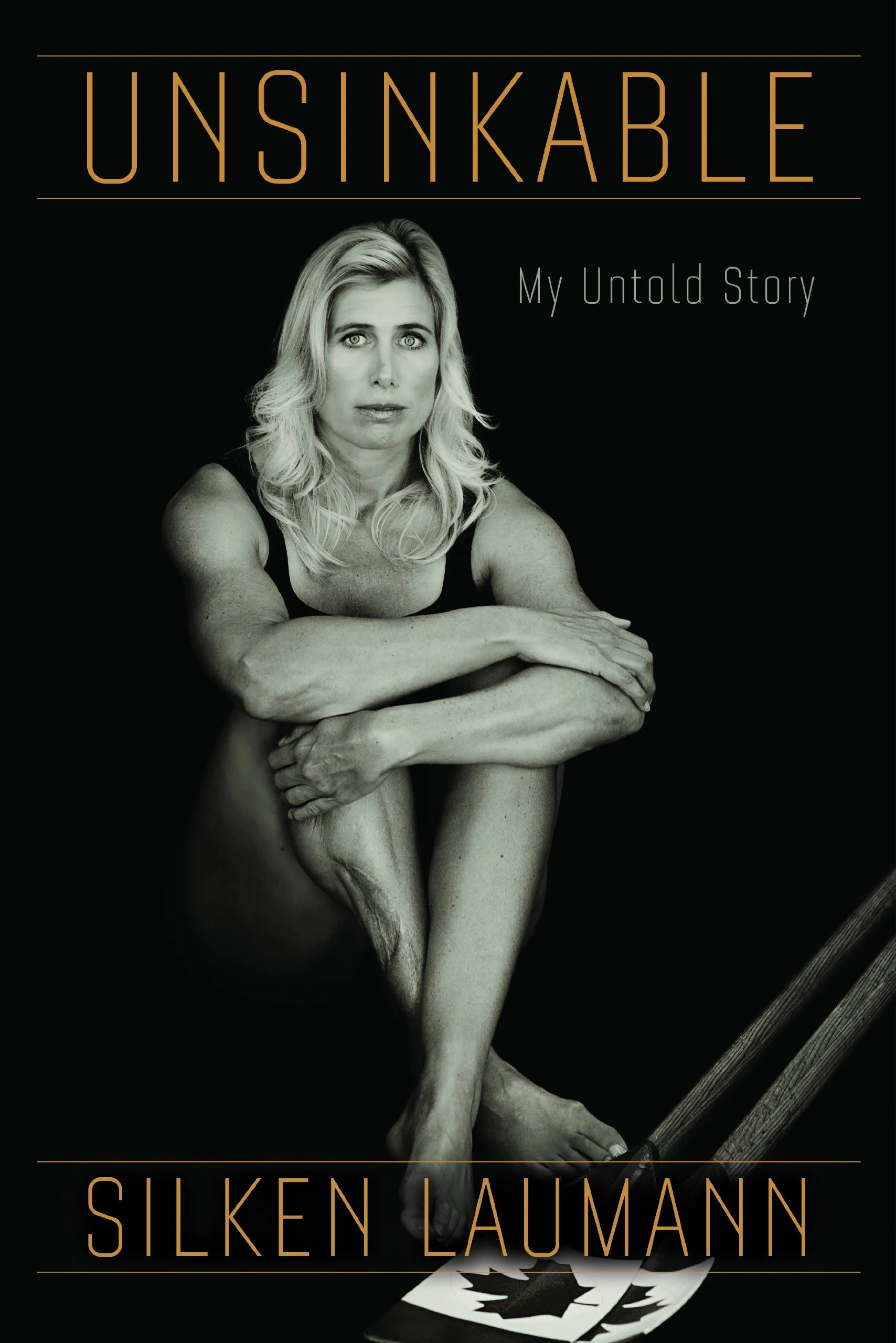
Olympic medallist, bestselling author of Unsinkable, and host of the Inflection Time podcast. Keynote speaker on resilience, and founder of the Unsinkable mental health platform.
This episode is supported by GoodLife Fitness and Ventum Financial .
One story, once a week, from someone who has been through it.
A short letter about a moment that changed someone’s life, what it taught them, and a question you might carry into your own week. No course launches, no countdown timers.