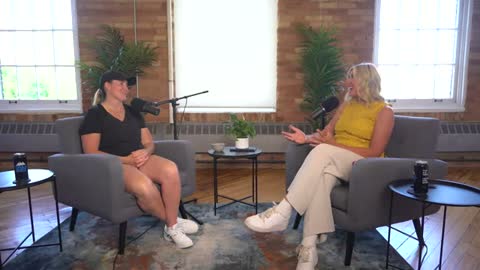
Dawn Smyth: A New Way Into the Game
Two knee surgeries ended Dawn Smyth’s playing days. She found another way to stay in basketball, and it took her around the world.
“And sometimes, some of those failures are the best things that happen to me.”
Transcript
Speaker names are being checked and will appear here soon.
00:00 Meet Dawn Smyth
Welcome to Inflection Time. I'm Silken Laumann. Every life has turning points, those moments that change everything. In this podcast, I sit down with remarkable people to explore the challenges, choices, and unexpected events that shape who we are. From heartbreak to triumph, fear to clarity, these are the stories that remind us that growth isn't linear and meaning is often found in the moments we least expect. Inflection Time, uncovering the moments that make us.
In this episode of Inflection Time, I sit down with Dawn Smyth, the NBA's Associate VP and Head of International Youth Development. Dawn's work has reached over 16 million kids around the globe, and her leadership is reshaping how youth basketball is taught and experienced, particularly for young women.
Dawn's story reminded me about how much strength it takes to lead when the system wasn't built for you. She talked about being overlooked, but also about showing up anyway, and the power of being seen by the next generation of girls. This is Inflection Time, uncovering the moments that make us. Thank you for joining me. Dawn Smyth, we're so glad that you're here. And it's been fun getting to know a little bit about you in preparation for today.
I guess the first thing I would say is that you're Associate VP for the NBA in youth development. That's a pretty impressive title.
And yeah, I wanted to talk to you not only as an athlete, but as a coach, as somebody who's really excelled in leading business development in sport. I think there's a lot we can talk about today, so let's dive right in. Excited. Really happy to be here, and thank you for asking me. Well, I understand that you are supposed to be on your way to Mexico. Yep.
Later today. Yeah. It's a little bit of a jumping job and up in a lot of continents and a lot of countries, which is the exciting part for sure. But yeah. That was the development part of your job, right? Yeah.
So funny enough, I actually work in the international department in the NBA. Okay, so we have 17 offices outside the U.S., so one here in Toronto, but offices all around the world. So I work with them on their strategy to put basketball into their country or region, depending on the office. And so that's the part where I get to blend basketball and culture and how we'll end up in Mexico. Yeah. Well, you know, usually when people say, I heard, oh, she's like delaying her trip to Mexico.
I'm like, oh my gosh, she's delaying her holiday. And then I start reading a bit more about what you actually do. And I'm like, no, you're just delaying your work. Yeah. No, most definitely. I mean, this month was particularly busy.
We have these international games all around the world. So this will be, I think it'll be my sixth or seventh country this month. So yeah. How are you doing with the jet lag? And like, what's your trick for falling asleep when you've got like a 15-hour time of fashion? I'm actually pretty lucky.
The jet lag doesn't hit me a ton, but I'm pretty diligent about jumping the time zone as quickly as possible. So I actually don't drink coffee, but caffeinated chocolate is my best friend on the road. So I travel with that. But even on the airplane, I'll start to adjust. So if I know I need to sleep on an early flight, I'll wake up at 4 a.m. before I leave to make sure I'm tired when I get onto the flight. Wow.
You've got a lot of discipline, I like, to figure out. And you know, right? You know what works for you. That's what works. And honestly, now I travel with my yoga mat, so a lot of lounges or I'll find places in airports where I can like stretch out on the long flights. Oh, yeah.
I've done that. I've done like where I'm in the lounge and I, you know, they used to have the meeting rooms and the kids. Yes. Yeah. And I go in there and I'd like do yoga. Yes.
And I had to close the door. I was terrified of being in some weird pose, like a handstand or something when somebody came in. I'm like, oh my gosh. It is literally one of the best tricks in the world. I love it. So that works out really well too.
04:02 Her dad’s advice: find what you love
So give me a little bit of a sense of how you got here because, you know, how does a young woman who coached at Camosun College, and I lived in Victoria, so I know it well, and Red Deer College, end up as associate VP? How does that happen? Yeah, you know, it's funny. You know, a lot of people, a lot of times I talk to a lot of young people and they're like, I want to work for the NBA. And it wasn't really something in my purview. But in high school, so I went to a high school for the performing arts.
So I danced in high school at Canterbury in Ottawa. And, you know, it was that time where you had to figure out what are you going to do in life in high school, like a big question that everyone has. You think you need to figure it out. That's why you fake and I still haven't fair to know. So in fairness. I was driving with my dad and my dad said, you know, really figure out what you love to do and find a way to get paid for it.
And so my like 16 year old self was like, I love basketball. And so that really set me on this journey of trying to figure out, you know, what does that look like? Like, how can I work my passion? And he was in law, but really loved music. And, you know, I think I always wished that he spent more time in music. And that was his advice to me.
05:15 Two knee surgeries and a first coaching job
And so I, you know, studied kinesiology and found out, you know, I'd been playing. I'd injured my knee twice, like two ACL repairs. So that wasn't working. I'd refereed quite a bit and done a whole bunch of stuff in basketball. And, you know, thought, like, how do I make this my career? And one of my coaches who was amazing, I think it was on my first surgery.
I kind of had a meniscal halfway through the recovery. So I had like the second surgery right away. And, you know, he kind of said, why don't you come early and coach the team before? And so I was working with young women. And in my mind, it was just like, you know, burning time to get to practice sort of thing. But I saw the impact that a coach could make and what it looked like on the other side.
And I really fell in love with the like puzzle pieces that you have to put together in order to teach and to develop and to learn and to build something and outcome collectively at the end. And so at that time, I was like, I think that's what I want to do is get into coaching. So even in that like small snapshot, you know, I'm kind of in hindsight. I mean, it wasn't real clear there. Yeah, I know. Right.
Because I think sometimes adults, when they're speaking to young people, like make it sound like they always have like this clear path. And what I have found in inflection time is that there are, there's a bit of randomness to it. And, you know, my story of starting rowing is not dissimilar. Like I was a runner. You were a dancer. I really wanted to be an Olympic runner.
Right. That was my sport. I got injured. Yeah. Yeah. Injured and then fighting to be 5'11 and 125 pounds.
Yeah. Also. So I wasn't going to walk, you know. It was like, so I rode for a summer to keep in shape for. For revving. I had no intention of continuing rowing.
Yeah. Or to continuing rowing. And then, like you, just fell in love. Yeah. And I was like, I just find it interesting how the whole course of your life can just change from that one decision, you know. Rather than becoming a frustrated runner, I became an Olympic level rower.
You know, for you, those two ACL, which must have felt heartbreaking at the time. Oh, yeah. I mean, that's probably the, if I can really remember now, probably the saddest I've ever been in my life. You know, you think about, and I mean, I wasn't high level. So, you know, I think of other people that had injuries and had to go through that and that sort of reframing. But I remember, you know, you just really identify yourself of this is who I was.
Like I was a basketball player and having to recreate that is so difficult, but then really sets you up for life because you're constantly reinventing yourself. And I think, you know, the one thing I learned through the coaching and ending up in this space is, you know, with my dad saying, like, what do you love? And my answer was basketball. And you listened to that. Like, that is, it sucked. Yeah, I mean, I don't know if he would have said that, but it made sense.
It made sense at the time. It stuck. It did. It was like one of the things that stuck. But, you know, I had to figure out how to change my relationship with basketball. So it was like, you know, I'm going to be a player and then I ended up being a coach and then, you know, an administrator with the Federation in Canada.
And then now what I consider my relationship is like basketball and culture, basketball in the world. And so although basketball is still that fundamental, it's not basketball and coaching and individual development or team development. And the way it was when I first went into coaching, the relationship changed so much with it, which has allowed me to figure that out. But, you know, as an athlete, like that injury, that was the first time that was really tough. And then. Well, because it was kind of your first reinvention.
It was. And your first sort of go at changing identity. And at a young age, how old did you have been? I mean, my first, my tear was at 14. So it was quite young. I continued to play.
But then the surgery that I had was who maybe 16 or 17 had a second surgery. Retour that at like 20. And I was at like a full tear. Full tear by the time. So complete reconstruction. And then on that second or third surgery, I guess now I ended up with like a belt, like a blood clot, Bell's palsy.
So it was just like not. It was happening. Yeah. Yeah. It just was not happening. But you decided because you'd had that experience with coaching.
And what was it? I mean, you sort of talked about like putting puzzle pieces together. Was there also a sense for you of, you know, connecting with younger people, connecting with their dreams? Was there that part? Or was it more, you know, the tactical part that really? Because it just, you know, in what you're doing today, there's a lot of tactical.
Yes. Yeah. And it's funny. Now is very different than before. I mean, the U.S. is a whole other sport business compared to the exposure in Canada. But I mean, I remember that first team and a lot of the young women who are actually not that much younger than me now seemed like a huge age gap at the time.
I'm still in contact with a lot of them and they're doing amazing things. Like they might say, oh, you coach me. And you're like, but you're old too. You know, you're older too. Like what? I mean, they're like athletic directors of universities in the country.
Like they're just amazing young women. And I don't know if it was that calculated at the time. It just felt right. And I was officiating quite a bit as well too and learned a lot about dealing with emotional people and, you know, difficult emotional situations that, you know, I'm so thankful for in this day and age. Because I mean, athletics, it's a heightened emotion playing field, right? Like, I mean, you know, you're getting pushed.
You're, you know, putting all of this effort into this, you know, one event that my last now or an iron rowing, it was like sad minutes. Yeah. And you're raw and your aggression is like right at the surface. Yeah. Yeah. And I think everyone around it is so invested in it too.
And you think of all the different parties that took to get to the one match. So there's lots of different emotions that are going on too. And yeah. I find that even more now because you're in the United States, like, you know, Canadian basketball. A lot of people don't know much about Canadian basketball at all.
You know, and yet in the States, it's not maybe the way hockey is. I mean, there's a few sports like football obviously is the obvious one, but hockey is a big deal.
11:34 Canadian sport and the business of the NBA
Yeah. I mean, saying that you work for the NBA is a big deal. So do you feel like the stakes are a lot higher because of the popularity of the game? Yeah, a little bit. I mean, and full transparency, I don't do a ton in the US. Like a lot of it is really outside the US, but certainly more exposed to it than I'd ever been before.
The biggest difference for me really is the business around it. And I think in Canada, there's still a lot of the intact of the meaning of the game is still there. Whereas there's a second element in the US of business. And, you know, I think there's pieces that we could learn as Canadians and Canadian sport on how to drive the business. Because, I mean, we struggle with money and being able to do stuff to provide for our athletes and for these teams, essentially. Because we look at it as an amateur.
That's right. I mean, we call it amateur. We do call it amateur. And in a way, it's like, so let's up. And the sports system here in Canada, it's controlled in many ways by boards of momenteers. That's right.
You can often be working with a multimillion dollar budget. And, you know, you've got, you know, Mark Smith, who played basketball in high school and sitting on a board making these huge decisions. Huge. That's high performance level. Yeah. And very vulnerable to the government changes and budgets and this sort of thing.
And, I mean, I don't know all the sports in Canada well, but basketball certainly. And, I mean, the Canadian Basketball Federation has done an incredible job. Like, the women have now qualified for the Olympics for the last three quads. And the men, we have the most amount of players in the NBA after the US. The Canadians do. It's incredible.
I'm in New Zealand quite a bit of time. And, of course, rugby actually is a religion. Yes. In New Zealand, it's just unbelievable. And, you know, there's a huge amount of press about how the Canadian women's team were, you know, doing it by crowd fundraising. Yeah.
And all the black ferns are professional. Yeah. They're right. It's a gel time. Or training. Everything.
Yeah. So that's still that kind of amateur mentality. It's very, very different from... Yeah. I mean, and yet, you know, Canada can feed through the last whole world. Like, it's pretty...
It is unbelievable. If you could only imagine what happens if it was properly resourced, the way we could show up. Yeah. Properly resourced. And yet, kind of what you alluded to, it kept some of the purity. Yeah.
There's a trade-off. Love. You know, your logic was over. Pursuing it for... Because it's an end in itself. Yeah.
Versus, you know, thinking you're gonna make millions and millions of dollars. Yes. You know, both. So, what do you do?
Yeah. I mean, day to day, it feels like a trip around the world. By, I mean, all our offices in Asia open up well before I'm awake. So, I wake up and start in Asia and kind of travel across the Middle East and India. And, you know, Europe and Africa. And then, you know, finish off with South America or Canada.
So, it's neat. It is really cool. It's a long day. It can be. Trying to get every time zone in there. It can be.
Some days, you know, there's some 7 a.m., you know, sometimes even 11 p.m. trying to catch, you know, China or Australia to try and connect with them. I mean, it's not every day, but, you know, try to best to stay in connection with them and find ways to support them and really make sure that they've got what they need and they're connected. So, your mandate is to grow the sport.
Mm-hmm. I mean, that's pretty exciting. It is amazing. Yeah. We were on ground, our team, so our international basketball operations team, in 54 countries last year, but reached 194.
So, the amount of cultures and, you know, that's almost the really cool part is, okay, yes, it's the game of basketball, but how does it show up in Egypt? How does it show up in Brazil? How does it show up in India? How do we do it in Indonesia? Mm-hmm.
And so, it's like a little bit different, but fundamentally the same. I mean, I always joke that, you know, I kind of get dropped off in some country and I may or may not speak the language, but figure it out. Yeah. A lot of sign language and basketball. Yeah.
That's helpful. Yeah. And I mean, everyone, that's the thing. We're all, you know, we're different in our own cultures and, you know, the way we grow up, but you get on the basketball court and we're all the same. We all want, you know, to get better and to improve and to have kids have fun safely.
And, you know, how can we provide that?
15:59 From 700 kids to 5,000 in Abu Dhabi
So, these are communities that are already enjoying the game or are you going into communities where it's really in its infancy and you're teaching the fundamentals of coaching and structure of both? Both. Yeah. And it just depends on the market.
So, I mean, Abu Dhabi, which we just returned from, we're sort of five years in contract with them and it's one of the stories that I think is the coolest. There was really no basketball there four years ago. We started working with their government and bringing the NBA teams over so they could see sort of basketball at its highest level, which we all know role modeling the impact that that can make.
And, you know, we started with what we call a Jr. NBA League. We've got, you know, kids playing. So, it's about, you know, 700 kids, boys and girls playing a year. And now five years in, we've got about 5,000 kids just in Abu Dhabi playing basketball. So, girls and boys. Girls and boys.
Yeah. So, we always, if we have like a boys, like we have a girls, like we have a girls tournament, boys tournament, we always do equity in it in terms of gender. So, where we show up to make sure that both genders are getting equal opportunity. As an Olympic athlete and the founder of Unsinkable Mental Health Charity, I know the power of a supportive community in reaching your physical and mental fitness goals.
That's why I love GoodLife Fitness. It's more than a gym. It's a place where you can really thrive and find connection. As a special thanks for joining today, you can experience it yourself with an exclusive seven-day pass to any GoodLife Fitness location across Canada. Visit the link in this podcast description for access.
All of my podcast guests have shared the importance of physical activity in their lives. Together, let's build a healthier and happier Canada. Yeah, that's interesting. I was on the board of Right to Play for years. I was the first Canadian board chair. And, you know, watched that organization develop.
And one of the things that always really struck me, and we were playing, we weren't as much doing sport, but we come into a community, maybe even a refugee camp. Yeah. And you think like, what does play have to do with anything that's going on here? Mm-hmm. And yet, when we get there and we pull out a soccer ball.
That's so important. Or a frisbee or anything that was a game. It was a magnet for all of these kids to come out. And being in one camp that was a camp for interning with displaced people. And there were Christians and Muslims and these two religions that really defined and divided the camp.
Sure. But when the soccer ball came out. It's all gone. They were all playing. Yeah. And the girls were playing.
Mm-hmm. At first, there's very much this attitude of like, not the girls. Yeah. We insisted, right? Yeah. Like, no, it's got to be the girls.
And then, you know, the next minute they were tying their headscarves. Yeah. They were right out on the field.
18:59 Opening doors for girls in Soweto
So what about in some of the countries where sport for women is not encouraged? Has it been a battle? Yeah. You know, I think it's interesting. Like, one of the places that we activate is in Soweto. So it's like, you know, a community outside of Johannesburg that got really impacted by
political over years and et cetera. And, you know, it's really hard for people to get jobs. And there's, we have a woman there who's like a powerhouse woman and knocks on doors to get women out. And, you know, I sat with her to say, you know, what is it that you need? Like, what can we do to help these young women to get them into these spaces?
And, you know, it's really about education with parents and how can this provide them jobs for later? Because that's the biggest concern there that there's not enough jobs for the amount of people that live there. And, you know, it's trying to find what that community needs to, you know, create better comfort in order to allow that opportunity for them to play.
And it was really cool. We went back and did like this referees shadowing program. And we started about four or five years ago, we're going into our sixth season, the Basketball Africa League. And honestly, our company did an amazing job making sure that we had like female officials. So that again, this whole role modeling is obsessing.
And so one of the young women, she'd played in this league for a couple of years, her parents had let her. And she came into the shadowing program. And she said, oh, you know, the referee, like in Egypt that I've seen this woman who's been officiating, like, I want to be like her. And so again, it's just providing those pathways and seeing that it's possible.
It's seeing that you can do it. And then how do we open up some of those doors for those dreams to actually be possible? But I mean, it's equipment too. It's equipment. And it's also like, when I look back at when I started some work, so I started running in the 70s.
Right. And it was not unheard of to go on a run and be catcalled to have a guy grab your butt. Yeah. Like, you know, to people, you know, when you're in the marathon rules, I mean. Yeah. The marathon, like Kathrine Switzer, right?
Getting pulled off the course because she was running the Boston Marathon, right? So like, okay, that was a long time ago, but it wasn't like in my life. It was a long time ago. No, but it existed. We're aware of it. So sometimes when I'm hearing you and others talk about the barriers to sport in other country,
to women specifically, I feel really frustrated. It's like, well, how can they not see the value of it? And, you know, are we ever going to get there?
And it sounds like for you, one of the major tools is the role modeling and exposure because, you know, what now seems completely normal, you know, women are playing rugby. Oh my gosh. You know, and, you know, won a silver medal at the world championships or the world cup, I should say.
That's in, you know, 20 years, maybe, maybe even less that sort of shift has happened.
21:53 Her Time to Play
So is that part of what you're trying to do is really open up opportunities for girls in these countries? I mean, absolutely. Like as soon as we go in with the boys, like the girls are the next thing. And we have a program, it's called Her Time to Play. So a lot of times, you know, we might not have as many girls teams as we do boys teams in this tournament. So then we'll do sort of the activation years younger to try and get them exposed to the thought of playing,
their parents, the thought of playing, seeing the older girls playing so that when it's their turn, they've already been exposed to it. So we can like grow it over time. So it's these sort of things. But I think also looking at it a little bit differently, because the way we've recruited women into coaching or women into officiating,
it's like the same way we recruit men. So a lot of times it's like they get injured and you're like, have you thought about coaching? And there's a lot of studies actually that have been done in Canada where what they started to look at is women plan five years in advance. And so if you ask them in that instant,
they've already started to think about their next move. And so you really need to introduce women to the possibilities of other pathways in sport at like 15 or 16. So if they retire at like 19 or 20, they've been exposed to coaching. And you can see there's a massive increase of uptake of women if they've been exposed to coaching. And if you ask a lot of women that were in coaching, like my dad coached. And so he coached hockey, he coached lacrosse.
He brought me to my first NCCP course when I was 16. And I thought like, oh, sure, I'll just take it. I wasn't yanking. I wasn't injured at the time. I didn't think anything of it, but I got exposed to it. And so it became a possibility in my pathway in my life
before I had to make that decision or I'd already made a different decision. Yeah, it's interesting to say that, well, first of all, does that guy mean men do not think five years in advance? So I think I might fit in between there. Yeah. I look at rowing in my sport, but other sports,
and there's still the dominance of men. And yet I know that many, many women are graduating from coaching school. They're getting their level three certification. You're putting in the time to get in deep. And yet they're not pursuing the coaching careers further than a few years.
24:05 What keeps women out of coaching
And in Canada specifically, what do you think some of the barriers are you're really developing high-level female coaches? I think it's tricky. I mean, to your point, we are developed further. And I mean, when I go and see other women in other countries, I think the only difference between you and I is I was born in Canada.
And so, you know, you become very grateful. I think I'm more patriotic after leaving. You know, I was for sure working for the Federation, but now I'm so grateful, you know, being able to grow up as, you know, in an equity space that evolved over the years as I grew up. But I think, you know, society is still catching up quite a bit.
And I think that women still bear, you know, the newer generation, I think it's a little bit different, but still bear a lot of the responsibility around family and the planning that goes outside of maybe just the day-to-day, the like thinking and the background work. And with coaching, it's encompassing. And so, you know, can we do things that if society is not caught up yet,
could it be that it's normal that kids are coming on the road and there's someone taking care of them? That we've got a babysitter. We think about our female athletes and their return to play, having childcare, you know, while they're coming with. If society is not changing, like how do we change the landscape of sports
such that women can stay in it and they don't have to choose one or the other. Yeah, yeah. And it's interesting because I'm older than you and, you know, you see some changes. I was just in the airport lounge the other day and I was speaking with this woman who had her own interior design company that was in like 18 countries.
It was like a big business. And we started talking about, you know, she had teenage kids and she said, you know, people always ask me, like, how do I do it? How do I balance it? What have I sacrificed, you know? And she said one day she asked her husband, you know,
what have you sacrificed to do your career? And he like, nothing. Yeah. And that was really, that really struck me. It's like, yeah, like, let's just unpack that for a second and how that actually can be so limiting,
even though it can be so, those decisions are so subtle, the difference in the way that men make their decisions potentially. And of course, speaking broadly, because there are men that stay home with their kids and do more than their share of house. But statistically though, we know that women still have
the vast majority of the household duties, all those kinds of things. So you're right. It just doesn't feel like it's changing fast enough. Some people will say, oh yeah, but it's women who have the babies and it's like, why does it have to be so much sacrifice
for one side of the partnership?
So I love that you're thinking about things like daycare, things like supporting a woman while she's nursing her baby. And what does that look like? Yeah. You know, I used to take my son while I was still nursing him into board meetings.
I bet. And, you know, I just put him in a car seat. And, you know, I think people kind of thought it was weird. And I had the privilege of doing that because I was Silken Laumann. That's right. And so I got to do that.
Yeah, yeah, yeah. And I also knew that I was changing the way that people saw me and being a mom because I was bringing a baby with me. Yeah. A lot those first two years. I think the more people see it, the more people talk about it.
I mean, we've got some female coaches in basketball in Canada. That same thing was like breastfeeding while they were coaching and, you know, had to leave games in order to, you know, either feed or had the, you know, baby with them. And there's a couple incidents across the country. I mean, to Kim Smith, who played on our national team,
going to Japan with all of COVID and everything, you know, had an infant and needed to bring and had all these COVID rules and really brought it to the media. And I think the more we have conversations about that, the more we see it. But also to those of us that are in administrative roles,
like the more we consider it, we think about it ahead of time. So it doesn't become a thing. It's just a norm. And honestly, you know, if we want the equity totally, it's not just for the women, but the men could bring the kids to practice too.
So the women can do whatever else they're doing in their lives. And that is a norm as well. So it's not just a burden on the female coaches or like looks different if it's a female coach. Like the male coaches can be doing the exact same thing. And even the athletes, I mean, in New Zealand this year,
there was a women's double that won a bronze medal and both of them had had babies with two years of actually winning their medal. And so obviously the system had to adapt, the training program had to adapt to the festival for nursing their babies,
that they were coming back from having a baby, which is a huge thing. Yeah. So it's kind of integrating that part of life, but also like when it comes to coaching, you know, so there's a barrier of having kids,
but is there also a barrier of the coaches that you see on TV, the coaches that you see winning awards, the coaches that have like their famous quotes, their men. Yeah. Yeah.
And I think too, I mean, we've seen that role as a male role for years. And so it's kind of what, you know, I do think it's changing a bit more, you know, a lot of the women's leagues now are really becoming more prominent.
And I mean, even Hockey Canada did an amazing job where they started teaching their under 17 team coaching education. And so like their last two Olympics, it's all former Olympians that ended up, female former Olympians that ended up being on their coaching staff.
And yeah, we do, and we do have, it's a good point. We do have professional like Olympians coaching professional teams now. I mean,
Hayley Wickenheiser's associate, is she assistant coach to the Maple Leafs? Yeah. Something like that. And then I know there's another Canadian who's working in the American league. So,
I mean, it's coming. It's coming, but yeah, it's not the fastest train I think that we're on, but you know,
it's starting to come through, but it's hard when you're raising girls though. Like I've got three girls and one boy, two stepkids and two that I gave birth to. And, you know,
it's really hard thinking about talking to them and being able to say, you can do anything. Yeah. You know, the world is your oyster. And,
you know, and then when they're getting out into the world, they're actually finding that there's barriers and you feel like you've sort of lied to them. Yeah. Because you've instilled this idea that I, and I,
and I still believe anything's possible. Sure. It's just my mentality. Yeah. But the barriers are real and, and it can really prevent,
but it hasn't prevented you. So. I wouldn't.
30:42 Losing a job to a male coach
Okay. So let's talk about that. Let's talk about that. I mean, as you're speaking, I can remember when I was coaching and,
you know, I was in Red Deer and I was applying for other jobs and that's kind of the nature of coaching. Like what's the next big thing sort of. And I remember applying for a job and it came down to me and another male coach who had been let go from their job. And I was young. I was still young.
I was up and coming kind of thing. And the male got the role. And I remember thinking that they're more comfortable with a male who's been let go and has had issues than a female who's like young and ready to get after it. And our society is just not comfortable. And who knows? There could have been other regions.
The athletic director tells me later that that was like the worst decision. But. That's somewhat. Makes me feel better. Justified for sure. But,
you know, and like, you know, the person didn't stay there very long and the same problems that they're having before followed, you know, obviously it didn't change. But I remember thinking like,
what else am I supposed to do? And so I always did take the philosophy. And, you know, some of those things, I mean,
you talk about this a lot too, but just the resilience that it takes when you have a loss like that or you're not successful, how it really builds you. Like at the time I thought this was where I was supposed to be. And now I'm like, thank goodness that never happened.
So I would have never gotten to the Federation. I would never be here. I'd probably still be coaching. And in hindsight, I'm like, no,
I wasn't supposed to go there for whatever reason. But I also made me realize that my next job, like, they're not going to be able to refuse me. I'm going to be so overqualified that there's just no way that they could look at someone else and justify, you know,
whatever gender, but justify them over me. And so, you know, I ended up doing, you know,
masters in Italy and like the, you know, your parenting coaching. And I was like, there's just no way. There's no way.
She's like, art in your resume is like three quarters of a page done. And she, you know, got another masters. I mean,
I do like learning. And I think that's one thing I've seen with some of the best in the world. You know, there was one quote and I was doing a lot of the European education was, if you don't adapt, then you're going to,
you're going to be extinct like the dinosaur. And so I always loved that, that, you know, pushing and innovating and learning what's new and how to be relevant, I think is really important.
But also if I, you know, I'm up for a job or a role, I want to be such that they can't.
33:10 Sexism you only see later
Yeah. And I, and I see, in the path that you can take him because I think a lot of the time with sexism, you don't really like,
you kind of seeing it when it's happening. It feels weird when it's happening, but it's only later that you reflect on it and go, I cannot believe I put up with that. Yeah. And,
and I think for women, my age, there was the, when the me too movement came out and that started happening, when people started speaking, I certainly look back at all the times,
you know, board members told me they were in love with me, or, you know, act inappropriately or, um,
the times where I was told I rode like a man. Yeah. Right. You know, because I was aggressive and I attacked and probably not technically that good. Um,
that time, but, you know, um, and it's only later that you're like, wow,
like I was so absorbed in this, this reality that was my culture. And I was so determined like you to make it forward, no matter what. Right. It's,
it's only in reflection. But what, what I love about you is that you're thinking forward. So you had those experiences, you obviously plowed through them. Yeah.
Became a very, gratefulness. Yeah, yeah, yeah. Oh,
you, you, you, you, you danced. Sure.
Because you were the result of that's hot hitting. For sure. I might have planned, but you would have danced graciously. And, and what you're remembering is that what that felt like.
Yeah. To have a limitation and you're working really hard to remove those barriers and limitations. For sure. For others. For sure. And I think that's,
I mean, I still, I mean, officiating, I did a bit like quite a bit of it growing up and through the coaching. So I actually coached men's college and officiated women's college out west in Victoria,
and then switched to women's afterwards. And, you know, those are some of the most valuable lessons. I'm so grateful to the time of officiating. And then at the Federation,
we ended up pulling the officials underneath the board. It was like the one piece I didn't get to finish when I left the Federation. So I've stayed on their board for the last like six years and have a meeting later tonight on the way to the airport sort of thing. But there's a woman that was amazing. Actually,
Nadine Crowley, I think you raced against her and Iran anyways, a long time ago. But, you know, she sort of said,
I want to make a difference for women. And, you know, my immediate answer is yes. So she's like, we started this commission and bringing women together to figure out some of these things,
because officiating, it happened a lot too. I mean, I was told, you know, my voice was too high when I was reporting and I have to bring my voice down because,
again, no one wants to listen to a woman reporting vowels, you know, this sort of thing. Yeah. And then correct your voice actually.
Right. That's what I did when I was speaking. Yeah. I always felt like to have command of the room, I had to speak, you know,
at least half an octave lower. Right. And, you know, your voice starts going and it's like, no,
this is my voice. Get used to it. Yeah. I'm using it. Yeah. And.
A hundred percent. So I think it's like, yeah, for sure. I'm very passionate about some of those elements. I can remember coaching out West too.
There's, I think there's only two women in the 14 teams that were coaching and, you know, some of the men had kind of bonded together and I was getting like, I mean, it was blank DVDs.
We're getting game film back then. And, you know, and it's just, they were, they had bonded together and it's tough.
That was a tough, tough league. And I remember thinking like, how am I going to navigate this? Yeah. Lonely.
And I, I'd say that still in, in some sports that, you know, if you're the, if you're a woman coaching on the national team in most sports,
you're the majority, the majority, the minority. Yeah. By quite a bit. Right.
So, you know, you just not having that feeling of collegial connection that you might have. It can be, it can be.
36:54 Finding a network of women
But I think too, like one of the things that I've been able to do and I would suggest for everyone is like finding other women, like finding your network. Mm-hmm. Um,
and so, you know, I've got some of the most amazing women in sport that I'm so thankful for that, you know, you can call up and say, you'll never guess what happened to me yesterday sort of thing or,
or vice versa and can share and you can, you know, share strategies and what does that look like and how to navigate the. And for you is, for you is that outside of basketball too? Like,
you, you know, you're obviously a confident, strong woman. Um, do you find it's been helpful to actually,
you know, surround yourself with other confident, strong women? Because we can, I, as one myself,
I know sometimes you outgrow. Right. the people that you've hung out with before because somehow you've gotten too big or they're jealous or you've somehow, your energy is too big, your, your dream is too big.
Yeah. And that can be, I mean, in my life, that's been really devastating. Yeah.
Like, and, and taking it really personally and felt like something was wrong. But the dream or the ambition or the, that just the way I need to be in the world is always more important than the pain that I'm feeling through. Right.
And I think too, I mean, I've been really lucky. I do try to stay in contact with a lot of the people. And I, I do have really good female friends.
I think that's something even, you know, I came back, I was in Ottawa because I've been spending the weekend with my friends from when I was 13. And so, you know,
yes, we've like different paths. They still live in Ottawa and I'm not there anymore, but man, is it grounding? Mm-hmm .
You know, it's like basketball doesn't matter. They know nothing about it. They actually just care about me. Yeah. They love and accept you.
Yeah. They're not threatened. They know. They all love me. Yeah. And so,
you know, that part is really, really grounding, like so thankful for them. And, um,
I happen to grow up in, you know, we're all diverse in culture. We all came from somewhere sort of thing and have our ethnic, um, experiences.
We're very different, but fundamentally have the same values, uh, in friendship and in life. And so that I find that grounding, but then I've been able to meet some incredible women that even pushed me,
like they're beyond me and their successfulness. And, um, it's really exciting when you see somebody else's path and you're like, how did they have the courage? I'm excited to share that Ventum Financial,
a sponsor of Inflection Time has launched their new podcast called Relevant. At Ventum, they believe that sharing someone's story is a privilege and relevant brings those stories to life. It's where leaders, creators, change makers,
share ideas, shaping business, culture, and the world. One conversation at a time. I'll be joining Relevant for an episode to talk about resilience,
optimism, strength, and how these qualities help us grow through change. I hope you enjoy that episode. Check out Relevant by Ventum Financial, where people are discovered.
40:04 Leaving coaching behind
What is the biggest risk that you've taken in your professional life? You know, it's at the time they always feel huge and after you're like, that was nothing. Um, so I,
I feel like maybe the biggest risk is still yet to come in a lot of ways, but in those moments, like leaving coaching was one of the hardest things I had, you know, was in my mind, this athlete,
multi-sport athlete, basketball athlete. And, you know, then I, I,
you know, went into coaching and that's who I was. And, you know, I coached provincial teams and would volunteer with the national program and, you know,
just try and learn. And all of a sudden I'm like, wait, so not doing that anymore. Um, and coming to the Federation,
and even that was hard. Um, and I got very lucky because the role that I had was like a 10 year role. So I could take a leave of absence and do it with a lot of security, but it was still hard, um,
to do it. And then really fell in love with developing our country, like developing basketball across Canada and working with the provincial federations and being able to make change through an entire country was like really cool and powerful. Um, and I loved it.
I, I really did love. But you're still taking a step, right? You're leaving. Yeah.
there's no way to change one foot. No, I mean, I really, I was putting coaching education. And so I went from being a coach in the country young,
and then now trying to lead coaches. And I was filling very big shoes. The gentleman before me is amazing and did an amazing job with coaching education. And now, you know, colleagues that I competed against and that were much more senior to me,
um, in terms of experience. Now I'm stepping in to say, well, this is what we're doing. Yeah.
Like so how are you? Very hard. Yeah. I mean, I tried my best. I tried my best.
And I think a lot of those skills I try now, I mean, I show up into a country and how do you create trust? Um, you know, with people and sometimes it works and sometimes it doesn't.
But I think I've really grown to like, just because it's not now, it doesn't mean it won't be later this afternoon or it won't be tomorrow. Like I don't really take no's a solid no's. It's just like, no right now.
Yeah. Yeah. Yeah. But like tomorrow I might be better. Next time I come back, we can move it forward.
So, you know, I know people struggle with change. And so if I come in and it's like different than what they're used to, um, or I'm asking for change,
like to do something differently, then, you know, it might be no in the moment and they might not be ready. And I might be okay. And if I can just like inch it a little bit and be ready for when they're ready.
Um, and not slightly different than the expression, uh, no is the beginning of the negotiation. A hundred percent. Like,
uh, I believe that a hundred percent. And it's just nothing. Yeah. It's actually a lot of time beginning as well. Yeah.
And, and it, I think young people really have to hear that. Yeah. Because so many young people that I speak to,
you know, are shut down by the no. I mean, there are, yeah. It feels like rejection,
but it's not. Yeah. Just keep talking. Yeah. I always say, pick up the phone.
You know, my kids are like, you can only send resumes by email now. I'm like, no, pick up,
pick up the phone.
43:11 What basketball gave her
What to you is
the value, like the, the value of sport, you know, when you think, okay,
okay, you've, you've, you've coached at a high level, you've, you know,
helped develop sport across the country. So what is your kind of why for Dana? Like what, what keeps you,
I think, I mean,
to me, the reason why I show, I'm passionate about it, there's no question, which is something that really drives me. But,
but why are you passionate about? I think it gave me so much, like it gave me so much confidence. It gave me an educational pathway. It gave me an ability to work in my passion. It gave me the connections and the relationships.
And now like these amazing international experiences, like, you know, I was in the dunes in Abu Dhabi. And the next week I was walking in the great wall of China and the forbidden palace. And,
you know, like, flesh. Yeah, I know. And then like,
you know, two days I'll be at the day of the dead festival and, and, um, Mexico city. And it's just like,
the world is so amazing. Like, it's so fantastic. And basketball is the vehicle that actually brought me to those places and the people and the connections. And they're so wonderful. And,
you know, to me, I'm like, how can I can provide that for others? Like, how do I even give them a piece of the opportunity that it granted me?
So even too, when I was in coaching education at first with the Federation, the NCCP, I mean, I went to Victoria. I went to UVic and did,
the coaching institute, which doesn't exist anymore. It was fabulous. And worked with Ken Shields, which is like still a huge mentor of mine. I remember Ken,
because I went to UVic. Right. I mean, Ken is a ball of passion. I know. He's passionate about sport,
passionate about athletes. If anyone knows how to teach to detail, it's this man. Yeah. And I mean, his wife,
Kathy's fantastic too.
And they taught me so much and really exposed me. Like, they were working with teams in Japan and I came to carry bags. I was like, whatever you want. And that's how I got exposed to basketball outside the country,
really was through them. So that opportunity and, and even the opportunity to travel, it's like when you're an athlete, you kind of take it for granted. You're going to,
you're going to Germany, you're going to, so I got first maybe like RSG trips,
I notice how profoundly it's affected my view of the world that I've actually, I know people from Russia, you know, I know athletes in Russia, I know Americans, you know,
and, and so you, you just can't vilify a whole country or political. Um, and even ways of living, like it makes you a lot more tolerant and a lot more assert,
not even tolerant. It's more like you see the world more connected and more connected. Yeah. And even too, it challenges your own ways. Like I do it this way.
Cause that's what I know, but is that actually what I believe? Or is that actually the way I want to do it? Like maybe this other way is better for me. Um, but it's just,
we know what we know until you're exposed to something else. Yeah. And it can challenge yourself too. Or not just respect what the other person does because it works for them. Yeah. So it's like the view of your world changes.
46:15 How the NBA job found her
What, what's the head for you? Do you, do you have, um, I've spoken,
uh, in this podcast series to a few athletes now. And, and certainly as an athlete myself, I, I know that we're,
we're planners, you know, we plan ahead. Yeah. We envision things, we dream.
Um, could you share? Yeah. Out loud. It's something you're dreaming about. You know,
it's funny. I used to spend a lot of time on this. So when I was coaching, it was like this school, this position, this role.
And what I started to realize is I was spending a lot of time, especially as coaching. I mean, in Canada, there's a hundred roles, 50 of them on the women's side,
50 on the men's for paid kind of professional. And then it's sort of like the top one third that are truly full-time roles for basketball. And so then you're almost like wishing for people's demise. Yeah. Yeah. I mean,
they need to move out. These might enter. Yes. Right. So you're like, Oh,
that season's not going well. Maybe they won't be returning. And I was spending so much in this negative, competitive space. Right. Like even to as an athlete,
it's like, I want to be better than, and what does that look like? Like how you turn that internally, that it's really just about your own goals and your own measures. And so,
um, when I started to do that and just focus on like, what do I need to know? What am I doing right now that will open doors in the future? And I feel like that's put me in a way better situation. I never thought about going to the NBA.
The Federation was great. I had a consulting company so I could consult with non-competing federations, but also the NBA. And so I did a bunch of work with them for fun. It was out of passion and, you know,
a role opened up and they came to me, um, and asked if I was interested. And I think that works for me. So process versus outcome. Yeah.
Where I'm at right now doing the best job that I can do, getting as many kids playing in the safest environment, that's opening doors for them in countries that maybe know basketball or don't know basketball, um, and then see what happens, and be ready for it.
You know, so like learning, like right now, how does AI fit in the world of basketball? You know, trying to learn for me about franchises and what that looks like and setting up leagues.
This is like a really big piece of it. It's almost like you're learning is one of the ways you're dreaming. Like you're, you're learning, you're building skills. Yeah.
And the process of doing those things kind of pushes you along your journey. And you have a lot of faith. Yeah. That the, the now opportunities, you know,
present itself. Yeah. And I think I almost like, I never thought this was going to be my opportunity. And if I had stayed focused in coaching or focused like my narrow view of this is what I wanted to do, I wouldn't have seen this window open.
No, I mean, it's like, it's like this general flexibility in life. When you, well,
two things I see is that, you know, follow what feels good and you're, that you have some, some fire for it. Right.
And you're never going to go wrong doing that, you know, you know, and, and some things that you just, they just seem wildly unrelated,
right? Oh, like super, wildly unrelated. And then like, I think about my right to play experience and,
uh, I was on a board. I, I didn't know anything. Right. You know,
and I'm sharing the word or what it was, sometimes it was just a nightmare. Sure. But I was learning. And now, oh my God,
like 20 years later, I have this organization that focuses on youth mental health, unsinkable. Um, it is a going concern. And one of the reasons that we've done so well
and, and are having the impact that we are, is the board and, and really understanding what a good board looks like, what it's like to not drift from purpose. Sure.
A lot of things I learned on all these other, and I never would have been able to drop that. Never in the moment.
49:43 A scorekeeper’s championship ring
Yeah. Never. And I think, you know, you're talking about young people before, you know,
just going after everything. Um, I used to just, you know, I wanted to learn everything about basketball. And so I would go and score keep at Carleton University when I was younger.
And ended up when I got here that there was a role with the Raptors to go and score keep. So I was working at the Federation, but I'm like, okay, I'll do it. But they ended up winning. And so I, I now,
which is, I find comical as I bring these NBA players around the world. And I say between the two of us, who has a championship ring? Um, because just by score keeping and taking those opportunities,
when I was like 16, 17, 18, put me on a bench on an NBA team that ended up winning, you know, a world championship or an NBA championship.
And so, you know, I would never have thought like at 16, I'm doing this to get this ring in the future. Like you have no idea where it's going to bring you, but all of those experiences,
it's wild how they come back to support and help you. Well, you think you bring the NBA players, you know, and the, and they're just in,
in the States, especially, right. They're just such superstars. I, but they're young guys,
right? They're young. Yeah. You know, and you're bringing them and, and they're seeing a whole different way of being in the world that hold it.
It must be a mind-blowing experience for them too. Yeah, it is another atmosphere. There's no question about it, but, and I mean,
now with social media and, you know, all of the external elements, I mean, they're put into a whirlwind, but I mean,
it's even amazing. I was bringing the athletes internationally, how well they're unknown as well. I, I never thought they would be. We brought Giannis in the gym in Abu Dhabi,
and I was like, well, they're not going to really know him. And the kids swarmed him. Security is coming. I mean,
they're up to like, maybe his mid thigh and he's signing all these things. And I was like, that is wild. These 12 year olds know, I mean,
he was an MVP, but I mean, really, but they know who he is. And it's just wild that way. And I was always focused.
I mean, I was always amazed at how you can be in a community that has nothing, but they can provide you with a gift. Yeah. And often that gift is like a song. They'll start singing.
You know, the little kids will hold your hands and dance with you. And it's like, whatever they can give, it's an exchange. So you come,
you, you know, some stuff, but then you learn some stuff as well, which is a very assuming.
52:00 Getting back on the plane
Well, so what I'm hearing, and I just, what I'm hearing really strongly in everything that you're saying is, you know, you've worked hard.
You've, you, you, you have, um, armed yourself with knowledge and experiences,
but you've also really remained open to seeing where life takes you really open to opportunities. And then when those opportunities are presented themselves, you've jumped and you've said like, you know, you've jumped, which means you've left the safety of home,
literally, because you're living in New York City right now. Yeah. That's going to be like a big change. It was a big change. I mean,
I hear that, but it is a big change. Yes. And I think in Toronto, the, yeah,
it's very different than Red Deer, Alberta. But, um, you know, I think the more times,
like I remember moving to British Columbia and, you know, being here in Ontario, you know, you knew the basketball network. And then I moved there and I'd walk into a gym and I didn't know a single person.
And that sort of feeling when you're in a match, that's very familiar to your own environment. And I, I don't know, I don't know the referees. I don't know the coaches.
But having to reestablish yourself in that network and then doing it again in Alberta, you know, it makes you realize like, oh, I can do this. And how do I show up in these different communities such that I'm of value?
I can contribute, um, and make a difference in those environments. And I think the more you do the uncomfortable, and it's funny you talk about, you know,
if I'm not uncomfortable, you know, once a month, twice a month, I mean, the amount of times I've gotten a flight and thought I would pay a lot of money to be sent back right now.
Like, I don't want to get off this plane. And this is gonna be so hard when I get there and have to try and take on whatever. Like, I remember going to Sweden thinking I had to go speak to their, all the professional coaches.
And I'm like, they're gonna know. You're gonna like, I'm gonna be like, I'm not it. Yeah.
And I'm like, how much could I pay to get back on the plane and just go back? And the amount of times I've done that and you do and you're like, oh, it's fine. It's terrifying.
It's terrifying. You know, the world championship. Right. Going to the starting gate and I saw one even with, with,
with a baby, you know, in a stroller. And I thought, oh, why don't I just turn around and do that?
Right. You know, like, Right. Because the pressure is so much. So much.
It can be really, really heavy. Yeah. It can be heavy. And you're like, what if I screw up?
What if I go all in my face? All those things. And I, I think a lot of people don't realize that, that athletes have those thoughts that. Oh,
yeah. High performers, you're a high performer, that you have those, like, you know,
not only moments of doubt, that it's, it can be a pretty persistent, um, track. As you though,
have matured, developed all those things, those moments do become less, I find. Leah, for sure.
And I can get through it. You can get through it. Like, I know, I can,
I know I can move through it. And you start finding tools, like ways, or people, the people you want to call in order to talk through it, and what that looks like.
But I mean, they're still there. They still arrive, for sure. So how do you, when you're on the cliff's edge,
and you're thinking, what is, what are some tools? Like, what brings you back? What grounds you?
What gives you confidence? Yeah, I think, again, I go back to the preparation piece. Like,
can I feel prepared enough to be able to step into it? If I can control that, for sure. Or, you know, trying to take just one piece of the time,
and also just showing up. Like, just showing up. Like, just putting yourself in that position, and,
you know, kind of going like, what's the worst case scenario? Like, if I fail, I mean,
yeah, you know, you'll survive. You've survived failure before. Yeah, but you know,
I can jump back. And sometimes, some of those failures are the best things that happen to me. Like, it's, it's the piece that,
the pickup that made me, you know, like, not getting that job, made me think like, well,
how do I want to show up? Like, that drive, that internal competitive drive is like, it almost gets turned up, um,
in that. And so, I think those, you know, as much as we want to protect people, the failure is so important or the,
the just squeezing by and it not being comfortable is unbelievably important in those situations. Yeah, the not being comfortable and, Yeah. Uh, people get used to comfort.
They be used to being in their zone. They're used to being good at what they do. Yeah. Yeah. And getting uncomfortable in my life has been, it's just been when the best stuff happens.
Yeah. Actually, the things that I'm most afraid of, uh, even doing this podcast, you know,
I, I didn't get trained in journalism. I'm like, well, I've like given a million interviews and, you know,
I've written books and, and I, I've been a speaker my whole life. Surely I could do that. When I see you, when you start,
you're like, what am I? You're just in the moment, you're in it and, and, and it's,
it's all working. Yeah. So, I, I just want to say you are inspiring. Um,
thank you. What you're doing as a role model and your focus, um, on bringing not only the sport, but the lessons of the sport and what it can bring to young people's lives, both women and men is exceptional.
And we're so proud that you're a Canadian. Proud. Adam. And you could say that, you know, you're an associate VP of the NBA,
which I tell, I think is a super impressive title. It's pretty, pretty, it feels pretty good. It feels like hard work sometimes has paid off.
And, but I have to say too, I do, I have to thank you for your role modeling as a female, high achieving Olympian. I remember watching you on TV and,
watching you come back and, you know, as a young female thinking how amazing that was, um, and being able to see that without, you know,
just starting to connect the dots that it's like possible and people do this. And, you know, women can come back and be really strong and, and represent. So just,
thank you. Yeah. Thank you. Yeah. Again, I was fortunate too.
And, uh, to have that, um, spotlight cast on me, uh,
was a lot of pressure, but it was also a joy. And, you know, when I hear, um,
how, how people were inspired, yeah, it feels like a privilege. So yeah, thank you for mentioning it.
Oh, it's great. Thanks for coming. Thank you. You're welcome. Thank you for joining us on inflection time.
We hope you enjoyed the episode and we'd love for you to follow us by subscribing and sharing our podcast on Apple, Spotify, and YouTube. Inflection time is an archer and co production sponsored by good life, fitness and ventum financial, a special thank you to our incredible in kind partners, Carter Wiley and tall boy water executive producers and directors, Michelle Archer and Phil Kluba producer,
Christine Bays creative development, Sarah Carter. I'm grateful for Smythe for helping me look good. Thank you for listening.
Key takeaways
- An injury, then a reinvention. Dawn first tore her ACL at 14 and had two repairs, the saddest she remembers being. She went from player to coach to administrator, and kept finding a new relationship with the game.
- The job that went elsewhere. As a young coach she lost a job to a man who had been let go from his last one. She decided to be so qualified no one could look past her, and today she is glad she didn’t get it.
- No for now, not forever. In a new country, trust takes time. Dawn has learned that a no often means not yet, and that people who aren’t ready today may be ready on her next visit.
- Girls need to see it. Younger girls watch older girls play before their own turn comes. A young woman in a referee shadowing program saw a woman officiating in Egypt and wanted to be like her.
- Discomfort before the good part. On some flights, Dawn has wished she could pay to be sent back. She gets off anyway, and some of her failures turned out to be the best things that happened to her.
Dawn Smyth
Head of International Youth Development at the NBA
Dawn Smyth is the NBA’s Head of International Youth Development. She grew up playing basketball in Ottawa and studied human kinetics at the University of Ottawa, where a recurring ACL injury stopped her from playing and turned her toward coaching. After seven years as a director with Canada Basketball, she joined the NBA in November 2019, and her team’s youth programs reach more than 60 million people in 173 countries. She is also the coauthor, with Kathy Brook, of Play Better Basketball.
- University of Ottawa: uOttawa alumna Dawn Smyth is helping the NBA bring basketball to the world, 2023
- Gulf Times: Qatar Foundation and NBA Her Time to Play panel, 2024
- Canada Basketball: appointed to the FIBA Americas Youth Basketball committee, 2015
- Canada Basketball: Dawn Smyth joins Canada Basketball, 2012
-
Play Better Basketball
A coaching guide, written with Kathy Brook, that breaks the game into its core elements with practical tips, drills and step by step photos for individual and team play.
Get the book
Resources 10
Research and sources behind what was said in this conversation.
- Anterior Cruciate Ligament Injury Incidence Across Sex, Sport, and Competition Level: A Systematic Review and Meta-Analysis (Norman et al., 2026) Journal of Athletic Training Across 89 studies, female professional basketball was among the sports with the highest ACL injury rates.
- Biopsychosocial Experiences of Elite Athletes Retiring From Sport for Career-Ending Injuries (Moore et al., 2022) Journal of Sport Rehabilitation Why an injury that ends a playing career can feel like a loss of identity, as Dawn describes.
- Jr. NBA and Jr. WNBA NBA The NBA’s youth programs and leagues, including the junior league Dawn’s team started in Abu Dhabi.
- Right To Play righttoplay.ca The organisation that uses play to reach children, where Silken served on the board.
- Basketball Africa League bal.nba.com The league Dawn names when she talks about women officials as role models for girls.
- Kathrine Switzer kathrineswitzer.com In 1967 she ran the Boston Marathon as bib 261 and was told two miles in to get out of the race. She finished.
- Her Time To Play International Jr. NBA The program Dawn describes, which creates opportunities for girls and women to play and lead in youth basketball.
- The Rally Report 2024 Canadian Women & Sport Canadian research on girls in sport: more than 1 in 5 girls leave sport during adolescence.
- About the NCCP Coaching Association of Canada The National Coaching Certification Program. Dawn’s dad took her to her first course at 16.
- Estimating the economic value of unpaid household activities in Canada, 2015 to 2019 Statistics Canada Women in Canada still do the majority of unpaid household work, the imbalance Silken raises.
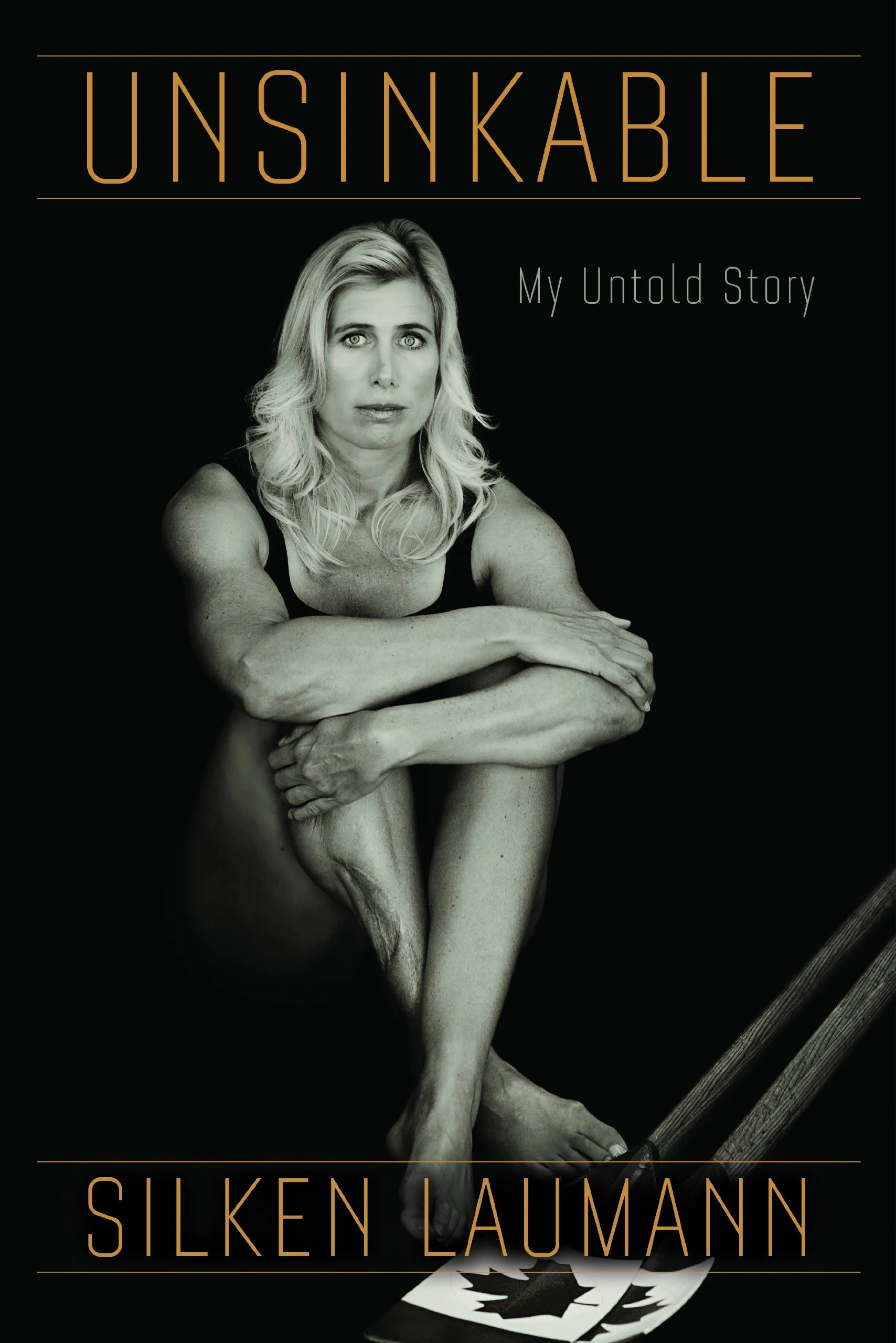
Silken Laumann
Olympic medallist, bestselling author of Unsinkable, and host of the Inflection Time podcast. Keynote speaker on resilience, and founder of the Unsinkable mental health platform.
This episode is supported by GoodLife Fitness and Ventum Financial .
One story, once a week, from someone who has been through it.
A short letter about a moment that changed someone’s life, what it taught them, and a question you might carry into your own week. No course launches, no countdown timers.