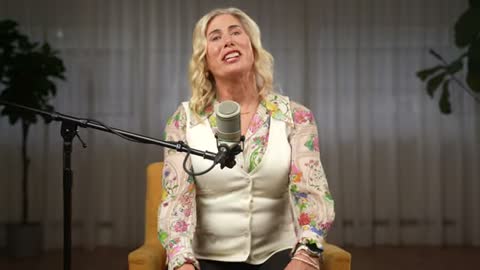
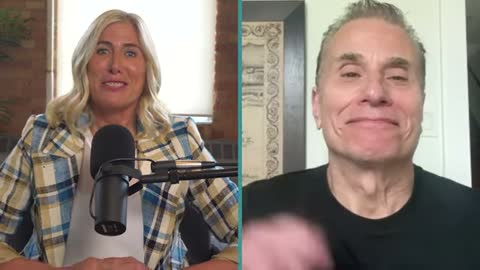
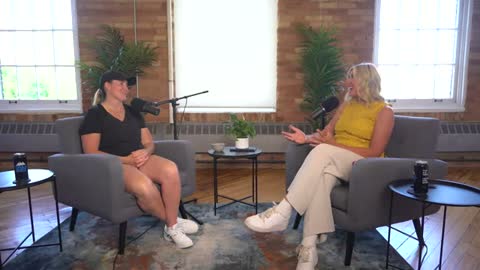
Leanne Taylor: Grieving One Piece at a Time
Paralyzed in a mountain bike crash at 25, Leanne Taylor was planning a Paralympic path from her hospital bed. Then Silken asked a question few people ask: have you grieved?
“Like if it’s going to be hard, it better be worth it.”
Transcript
Speaker names are being checked and will appear here soon.
00:00 Meet Leanne Taylor
Welcome to Inflection Time. I'm Silken Laumann. Every life has turning points, those moments that change everything. In this podcast, I sit down with remarkable people to explore the challenges, choices, and unexpected events that shape who we are. From heartbreak to triumph, fear to clarity, these are the stories that remind us that growth isn't linear and meaning is often found in the moments we least expect. Inflection Time. Uncovering the moments that make us.
In this episode of Inflection Time, I sit down with Leanne Taylor, a Paralympian whose journey reminds us of what's possible when we reclaim the narrative of our lives after a life-changing event. I know Leanne well because I bought her first competitive wheelchair and her story is amazing. It's about reinvention and resilience and what we do when everything changes. She is so strong and capable and full of heart. And through every challenge, she found new ways to lead, to inspire, and to open doors for others. And I think she really proves that circumstances can also lead to grace and purpose. Leanne's story is a powerful reminder that possibly grows when we simply refuse to give up. This is Inflection Time. Uncovering the moments that make us.
Thank you for joining us. Hi. Hello. I'm so excited. It's very nice to see you. I'm so excited. I'm so excited.
I'm so excited. I'm so excited to see you. Yeah, I agree. I was like mentally prepared to feel emotional for this. Now, everybody's probably wondering why I feel emotional and why you feel emotional because our story goes back a little while. Can I give you a hug?
Yeah, please.
Well, congratulations on everything. Thank you. Where do we begin? Where do we begin? I think this is Leanne Taylor. And Leanne Taylor is a Paralympic triathlete.
And I first got to know Leanne a little bit when I heard a story about her. And the story was that Leanne was using the wheelchair that was in the triathlon office that was like a demo wheelchair because it was out of commission, right? Yeah. And I got a call from a friend of mine who was the head of Triathlon Canada at the time, Kim Van Bruggen. And she said, look, there's this athlete that recently became paraplegic and she's using the wheelchair that's in our front hall because there's nothing else. And would you consider, you know, donating to buy this wheelchair?
And I did. And that's kind of when our relationship started. And I remember Leanne the first time we sat down at the Empress Hotel in the bar there and meeting you and just immediately being so impressed with who you are as a human being. And it was immediately apparent, not just like your determination, but your resilience, your ability to take something that could have been so crushing and was devastating and somehow find the hope, the joy in the path to the Paralympics. And I also remember a couple things about that conversation.
03:53 “Have you grieved?”
Do you remember the conversation? Yeah, for sure I do. Yeah. And I remember you saying, Leanne, as we talked about this conversation and we talked together and I said to you, have you grieved? Do you remember that moment? Yeah.
Yeah. I remember that being such a significant question because I think people are so uncomfortable with that in general to ask something like that. People are comfortable with a story of recovery and resilience and those aspects, the positive aspects, but people don't really, really don't ask you like, how did you get through the grief? Like, what was the hard part like? And so I remember just being really taken aback, but in a really nice way. Yeah.
Because, because I just met you. Yeah. No, but in a great way, because let's get right into it. Let's do that. Like nobody wants to know kind of the like unattractive side or like that part of it. And I remember like really adding that as I go forward, thinking about like, have I grieved this and taking the time.
And that was something that was really helpful to me. I have a three month old at home and in having my son, there was way more opportunity, I guess, to grieve different things. Like one of the things I imagined is, you know, when you pick up your child and you imagine like holding them on your hip and that's like such a mom thing. And it's like feels so mom to like hold them on your hip in that way. And I can't do that with Oliver because my chair is in the way. And that was like a thing that I genuinely had to grieve that I cried about it.
I like gave myself time to be like, I'm sad that I can't have this motherhood experience in the way that I thought I was going to. And I think every time I go through one of those experiences, I think back to you saying that and thinking like this deserves time to grieve and that's okay.
05:32 The crash on the trail in 2018
Your accident happened in 2018. Mm-hmm. What struck me so much about your story, it was like you were in the hospital already planning how to be a Paralympian. I mean, you had a bike crash in 2018. Yeah. And just can you just tell me just a bit because not everybody will know your story who's listening how that happened and if you knew right away.
Yeah, I was in a bike crash. I went over the handlebars. I was riding somewhere that my husband and I, he was my boyfriend at the time, but we rode there all the time. This is Scott, right? Yeah. Yeah, this is Scott.
And it's a very, I guess going over the handlebars on your bike is kind of like a rite of passage. Like I feel most people have done it at some point if you ride a bike. Yeah. And it did look like a low impact accident. But when I found myself laying on my back on the trail, I realized I couldn't get up. And so at first I'm like, oh, I don't know exactly what this is, what's happened.
And then I realized that I couldn't feel or move kind of from my belly button down. And weirdly, my husband had just finished his PhD in spinal cord injury research. So weirdly. Yeah. He had graduated just two months before the accident. So I had this sense of like vague sense of trying to pay some attention to his research
of, you know, what his spinal cord injury is and what that could mean. And I think in a lot of ways that helped me with my recovery in a sense that I had sort of an understanding, like no one had to tell me you won't walk again. Or when they did, I wasn't surprised in the way that I think a lot of the time people get told that and they previously had no idea what they're told. But I mean, you presumably they took you to the hospital.
Yeah. And, you know, what did they do? Like, what did they know right away? What did they do when somebody has a spinal cord injury? A CAT scan. And then they also, this is probably pretty standard, but part of doing that is they cut
your clothes off. And I remember at one point being like, oh, I really like these bike shorts. Yeah. I can relate to that. Yeah. You're like, don't cut those things.
I just pulled them off. Like at the time, I'm like, this is not important. Yeah. But it felt like it was. And then I had a surgery to stabilize my spine. So I had a dislocation.
So they put rods in my back and did a surgery to stabilize. So they did tell you after you had the scan that there was something wrong with your spine. Right. So they sent in a poor resident. I remember, I mean, we must've been a similar age. I was 25.
And I remember thinking like this poor guy, like they're gonna, he's gonna be the one. And so at the time, knowing that. Empathy. Feeling like I didn't have sensation. I didn't have movement. My husband and I kind of understood that this would likely mean that it was unlikely that I would have a normal life.
Let's say like unlikely that I would have a full recovery. And we expected kind of worst case, but, but fairly likely scenario was that I wouldn't have movement or sensation beyond what I had at that time in the hospital. But they still sent this poor resident to come in and tell me that. To break the news. Yeah, exactly. Yeah.
I remember, yeah, really just thinking like, I already know, thank goodness. But like for you to have to do that, like, and it's very emotional for everybody. And I think, yeah, it was, it was really surreal. No psychologist in the room. No psychiatrist. Like really.
Yeah. And his point of him telling me that was so that I could sign the consent form for the surgery. And I suppose they didn't want me to go into the surgery thinking I would have the surgery and then walk out. So they tell you at that time in that way, because they need you to know what's going to happen after the surgery to not maybe think that it's a bad outcome. And so, yeah, it was, it was different. It was odd.
But I almost think like. And sorry, but do you, do you, because I know sometimes when you have accidents, it's actually really difficult to remember how it felt. Yeah. Do you, do you remember how it felt to be given and to kind of have that news? It sounded like there was sort of a slow dissension of the message because, you know, you already knew that you couldn't feel your limb, your lower limbs. I think I was scared and I also felt strangely sort of activated.
Like I felt like there is nothing I can do about the reality of the prognosis. And I felt like I needed to find what I could do about anything. And so I think people ask me like, why sport or why did I choose to kind of do these things so quickly after? And it was because I really needed to do something that was like in response to this, I need to, I need to. You need to empower yourself. Yeah.
You need to have some control and empowerment in a, I mean, in a situation, you know, that people can't really imagine. And it's, it's, it's hard to take yourself into that place of like what it would be like to lose movement and to find yourself one day, this active young woman, riding her mountain bike. And literally, you know, a few minutes later, you're a paraplegic. And that's just like, you know, it's a whiplash moment. Yeah. Yeah.
10:47 Choosing hope in the hospital
But you being you, like you're literally in the hospital and you're choosing to be hopeful. You're choosing to have another goal right away. Yeah. I think my biggest fear when I was in the hospital was actually the mental health aspect of it. I was afraid of depression, honestly. And I was afraid that that was what was going to become the hardest part is not just what you're physically able to do, but I was afraid of how I was going to feel and if that was going to be the rest of my life.
And so I think one of the hardest things was that people would come and visit me in the hospital. And a lot of the time they would come in and they would cry, which of course, but I hated that. Like it felt that was the hardest part. I think it felt. Other people's reactions. Yeah.
It felt so bad to be like a source of sadness, I guess, that people would like see you and they would just think like you as a whole, this is sad. And that's all they could think about, you know, and so it would be like my. Because in a way they're putting you in a sad category. Yeah. Yeah. Of course you're feeling sad.
Yeah. But they're immediately, immediately when somebody cries, I think probably the message to you is this is tragic. Right. This is so sad. Yeah. And you weren't, you weren't there.
You were in a different place already. Yeah. I felt like I knew it was sad and I was sad and I cried a lot and I knew that, but I didn't, I couldn't have the whole thing. Like my whole story just be sad. And so like when people saw and thought about me, they would feel sad. And I just didn't want that to be like the end of the road for me in terms of like, you know, what's your life like?
Oh, sad. Like, oh, loss. I didn't want myself or other people to like think of me and think of like, that's, that's it. Like, oh, it's sad what happened to her. You wanted to control the story. You wanted to create a different story and a story that, that was empowering.
Yeah. Yeah. Hmm. As an Olympic athlete and the founder of Unsinkable Mental Health Charity, I know the power of a supportive community in reaching your physical and mental fitness goals. That's why I love GoodLife Fitness. It's more than a gym.
It's a place where you can really thrive and find connection. As a special thanks for joining today. You can experience it yourself with an exclusive seven day pass to any GoodLife Fitness location across Canada. This is the link in this podcast description for access. All of my podcast guests have shared the importance of physical activity in their lives. Together, let's build a healthier and happier Canada.
I have a mental health charity called Unsinkable. And at the essence of what we do is we story tell. And we story tell our experiences to give other people strength and hope, but also to reclaim the narrative. Because when something like this happens, when you suffer from, you know, an enormous episode of depression, when you have a life changing event that, you know, people feel sorry for you or they don't understand. And it's by, it's by changing the narrative that you get your power back. Yeah.
My mini, mini, mini version of that was 92, right? And having an accident right before the Olympics and the doctor telling me, you know, the Olympics are over and not having time to grieve. But I literally didn't have time to grieve. I only had 10 weeks. Yeah. You didn't have time for anything. Yeah.
14:30 Grieving one piece at a time
And I think that's what, I think I, I think that's what drew me to the question is I had gotten a sense intuitively that you actually needed to do some grieving. Yeah. Because you had like, like, like, like, like, like, like me, like other people I know, often Olympians or high performers, they, you had gone right to your next goal. Did you grieve more? Um, did you, because just to put this in context, everyone, I mean, this is a woman who in 2018 was not paralyzed. And then by 2020, you were competing on the international stage and, and winning medals the year after, and, and then winning a bronze medal last year at the, uh, the Olympics.
And it was just such a quick progression. And, you know, from one goal to next. So were you able to give yourself some space permission? Yeah. I think after we had had that conversation, I really intentionally tried to grieve it in pieces because that's kind of felt like how I could manage it. Yeah.
And so rather than trying to, to manage the whole thing, I think I tried to look at like each individual piece of like, what am I missing? And why is that sad? And why is it okay that that's sad? And how to just take some time to feel it more than anything so that that doesn't feel sensitive anymore. So I grew up playing volleyball. My family lives in Wasaga Beach.
So we played on the beach all the time. And that's one thing, like a lot of things I was able to adapt in some other way. Like I can't ride a bike, but I can ride a hand cycle or I could do something else. But like, I don't play beach volleyball. Like I, it truly is not something I could. Is that actually in Paralympics?
Beach volleyball, not beach volleyball, but volleyball. But sitting down. Yeah. Yeah. Yeah. But I had to find a way to, to, to totally say like this, I taking this off the table, I can't do it.
And that was hard because, and it's just such a trivial little thing, but going through the grief of, of taking something and saying like, there isn't a way around, like you can't have this anymore in the way that you used to enjoy it. And I think doing that with each individual little piece, like I talked about with my son and talked about with kind of with volleyball and these different tiny little things, like letting myself cry about that thing. Yeah. Rather than the whole gunny sack of things. Yeah. You know, obviously you have to deal with.
And what I remember too, is we, I'm pretty sure. I mean, sometimes, you know, memory is inaccurate, right? But I seem to remember us leaving the Empress and walking down the main, main street in Victoria. And he's sort of pointing out a family and saying, that's the kind of thing I grieve, you know, like being that mother. Yeah. And I don't think that was exactly the words you said, but, but it really stuck with me.
Like, what will life after sport be? And I can't tell you how joyful I felt when I found out you were pregnant. You know, it was just like, this has happened for you. Yeah. And I knew that was what you wanted for a long time. You know, in 2018, you wanted it.
Yeah.
17:53 Scott, her handler in Paris
You had this amazing man in your life, Scott, who actually is, what do you call it, your handler. He's your handler. I don't know if I'd like calling my husband my handler, but you know, he, and he's really good, eh? Yeah. Very, tell us what a handler does. So in triathlon, we do for my class of para, we do our 750 meter swim, and then we go into a transition box.
And in the transition box, your handler, which is my husband, is allowed to touch you and interact with you and help you. And the rest of the race, they're not. Yeah. So in that box, he can help me to get from, we swim and then we go into our wheelchair, our day chair, and then he can help me to get into the bike. And then from the bike, we get into the racing wheelchair, which we use on the run. And so he helps with those transitions.
And that is still part of a race. And so he is timed in doing that and makes a difference in the outcome. And actually the outcome in Paris, the gap between myself in third and fifth place was 15 seconds. So the two places could have been the difference in the time that he made up. So yeah. He's good.
He's like, he's part of the team. 100%. He must practice and practice and practice. Two of you must practice and practice. Yeah. He probably practices alone too.
Like, how do I do this? What strategies can I have to get Leanne faster out of, you know, out of her, like you said, the day chair? Yeah. Yeah. Day chair into the biking chair. And then of course, into the running chair too, the second transition.
Yeah. And how long are the distances in the Paralympic Triathlon? We do a sprint triathlon. So it's 750 meter swim, 20 kilometers on the hand cycle and five on the run, five kilometers. Wow. And now you're in this big transition because a dream came true and you have this gorgeous little boy, Oliver, who I've seen some of the, I mean, he's only three months, you know, but, you know, he looks adorable.
And again, just an incredible journey for you to become a mom.
19:56 Becoming a mom from a wheelchair
And you're using these experiences of the mom, this experience of your mom, I think, to really empower and educate people about what it means to be a mom when you're in a wheelchair and when you have paralysis. Can you tell me a little bit about, like, was that an organic thing because you'd already been talking about your pregnancy? Because I find it really inspiring. And I'm like, like, when you talk about, I think your first time in the car and I'm thinking, okay, I remember the first time in the car, right? Like, okay, you got the diaper bag and then you got the diapers and you've got like, you know, if you're bottle feeding or, you know, assisted bottle feeding, you got that and you got the blankets and then you get in the car. Oh, yeah, and the baby in the car seat. And you're doing this all in a wheelchair, right?
Yeah. And then, and then once you get the baby in the car and the diaper bag and whatever the heck else you need, you got to get your wheelchair into the trunk or the car and then you got to get into the driver. It's just mind boggling. It's lots of pieces. I think the reason for sharing it came kind of twofold. One of them was that I was honestly really proud when I could do these things, like we had prepared and kind of tried to practice it. And I'd practiced doing like putting the car seat in the car without the baby before he came and doing all these things.
And so part of it was like kind of sharing, like I'd been talking to friends and family about what we were doing to prepare. And it was kind of exciting when I could do it to say like, look, we can do this and wanting to share that with my people. And then also wanting to share that kind of globally, because I think a lot of people assume that I couldn't do it or would think that someone with my disability, that wouldn't be an option for them.
21:37 The assumption about disabled mothers
And then the other part of it was that I think a lot of people still don't see disabled people as capable mothers. And in some ways I wanted to show that I don't believe that's the case. And I think I'm always going to be kind of fighting that battle between feeling that way and some people genuinely thinking that and then me assuming that some people think that. So I had an experience even actually when I was on the way here, I was at the airport and I wanted to go pump in one of the little pumping pods at the airport. And there were pumping pods. Yeah, it was super cool.
Yeah, I got five-year-olds. I got five-year-olds. Yeah, I didn't think of it either, but then I saw it and I was like, oh, perfect. And I went to go and do it and you have to download an app. It takes a little bit of like a couple of steps. And I was waiting.
And I was waiting. And Oliver is not crying at this point, is he? No, no, no. Yeah. And so I'm waiting outside and I'm like, I was like, I ended up actually, I walked away at first. I was like, oh, I'll just do it somewhere else because I felt like people walking by would think that I was using this room because Oliver wasn't with me.
So using this room for something other than pumping. Like I thought that people would assume like I'm a wheelchair user. I couldn't possibly be a mom. I couldn't possibly be using it for its purpose. So I thought someone might say to me like, oh, that's for this. And just like that thought in your head.
Yeah. I would assume. You know, as somebody from not experiencing what you're experiencing, I wouldn't have even, it wouldn't have even occurred to me. Right. Like, you know, so your thought process and your awareness of being in a wheelchair and being a mom is obviously very different than people that aren't and don't think about. I mean, not only the complications, but the inbuilt prejudices that other people might hold.
Yeah. Well, let's just, let's just go back for a second because I think there's two parts to this. You know, one is just the amazing feats you do to be able to hold your son, to be able to, there's this one video where you show how you get Oliver from the floor into your lap. And like, okay, I've never thought about that. I've never thought about how somebody in a wheelchair would do that. And you do it and you like, you like brace yourself, you make sure you're really solid, you make sure you're in a good position.
And then you, you know, you lean over and you pick him up and thank God he's not too heavy yet. Right. And then you like put his hand on your shoulder and like, I think about the strength you need to do that. You know, I mean, lifting anything from the floor, you know, it's, you were always told like, bend your knees, you know, while your knees are bent. Right. And all of these little things in the diaper change table, you're talking about going into a public restroom and going, why is the diaper changing table like at my eye level?
Things that we don't think about. That is all really inspiring. And then there's a piece that's around giving birth to, and people assume that if you're in a wheelchair, you need a C-section automatically. So tell me about that. Like, obviously you were hoping not to have a C-section, but you know, why do people think that? Why do you do?
Well, I mean, yeah. Can you get into other people's head? I think that's the hard one of the, for me, the hardest part, like, I guess as a woman, I guess as an athlete, I'm comfortable with physical challenges. So I'm comfortable with figuring out how we're going to get in the car, how we're going to get them off the floor. Like those things, I know how to.
Problem self. Yeah. But I think the hard part is the assumptions and dealing with that part of it is, you know, I was hesitant for people to say that I maybe wasn't going to be as good of a mother or that he wasn't going to have as good of a life as he would have had with an able bodied mom. And I think those are the things that like really hit home and make you nervous and make you think again about, you know, am I doing the right thing? But for us, I think that what he sees is just love. And I think he'll know that growing up, he'll see that it's harder and that we loved him enough.
And that's why we did it. I can honestly say it would have never occurred to me, never in a million years, that somebody in a wheelchair couldn't be an awesome mother. Yeah. You know, but I know it's different from your perspective. I know it's easy for me to say. And there are judgy people out there for sure.
Right? Yeah. I think that made me feel more inspired to share our story is because I wanted other people to not feel the way I did and not have the hesitation to do what they know is right. Because I know that I'm a good mom. And I wanted other people to feel, have more sources in the world saying that than saying, are you going to be able to do it? Well, you knew you were a good mom.
I didn't know I was a good mom when I, get this girl a Kleenex. And then I'm talking to the producers right now. So we might get a producer come in the shop for a second, which is totally okay. You know, it's actually a question every mother has. Yeah. Am I a good mom?
And I don't think I was always a good mom. I became a good mom. Yeah. Right? When my kids were toddlers, it was harder to be a good mom because of the constant overstimulation. So I think in some ways, you're going through what everybody goes through, right?
Yeah. Or the question is, you know, oh my gosh, they're screaming and I feel really angry with them. That's good. That's kind of how a lot of people experience motherhood is the emotional response to the overstimulation, the exhaustion that comes with motherhood. But you have this whole other layer. And, you know, I mean, can you get to the point, do you think you'll get to the point where you just won't care what other people are thinking?
I think so. I hope so. But I think it's always going to be a factor. And I think in our society right now, moms get a lot of criticism. And I think it's a place where people feel comfortable to give input when they wouldn't give input on anything else. Yeah. And I think that's always going to be something that that I have to deal with and that every mom has to deal with kind of internally is choosing that I'm going to get this feedback and this input, but I don't have to change what I'm doing in response to it. And I think that is what I'm trying to do. And I always was hesitant to post things in general on social media. I'm a very sensitive person. And so sharing anything leaves you exposed in that way to criticism. And I knew that I knew that. Have you gotten any criticism? We have got a couple of comments of people asking, yeah, like how one of them that I think I'm just I don't believe people are brave enough to ask is like how logistically it works in terms of like, not just certain aspects of that, that I'm like, that's personal. Yeah, that's a bad match. Yeah, the same as everyone else. But I'm not going to spell that out in public.
Like, no. And then I mean, yeah, and I know what you mean about social media, right? Because I mean, all we can do in social media is speak our truth, right? I mean, that's what I try to do. Yeah. And, you know, sometimes, I don't know, sometimes something you say, something that you do pisses a person off. They just get and it's usually a trigger in their own life. Yeah. And when I when I wrote my book, Unsinkable, you know, because it's about my family life, it's about trauma, it's, you know, and my counselor saying to me, you know, you are going to have to handle people's reaction. And, you know, you need to know that when somebody reacts strongly, it's never about you. It's always about them. Yeah.
Your parents, they did the best they could. And, you know, she was so angry. And I don't know what else she said, but I had to actually step away for a second, go into the back room and just collect myself. And that was one of those moments where I'm like, this is not about me, I have triggered something very deep in this person. And it's coming out at me. I mean, I think that's a great strategy to have on social media in general, because all you can do you and and and this is something that, you know, I've certainly learned in life is that all you can do is put your truth out there your experience if you're gonna be on social media at all. And, like, the reason I'm on social media, I actually don't use it that much. But when I, when I post, you know, what's what's going through my mind a lot of the time, is like, I'm having this experience, or I'm having this experience. And I'm having this thought, and I need to put it out there. And then I kind of asked myself, is this going to be helpful? Is this going to be, is this going to be an empowering or uplifting? Sometimes it's just silly, like, look at all my power cords. And, you know, they're all in a knot. And I take a picture because it is funny. And I'm like, oh, I'm so disorganized. For you, it's a whole different thing, because your social reflects your life. And as somebody whose life is quite different than many mothers, you're informing, educating, and empowering, like, all at once. That must feel like a lot of responsibility. Are you, are you having fun with it? I, yeah, I'm really having fun with it. Honestly, like, I think it's fun. And it's interesting to show different things. I feel like it's helped in my life, because then,
when I do go out with friends, they know what parts are hard and how I can do things. And so it's really helped in terms of like, just logistically for me. But I also got a message from someone who had a child with a disability. And they had said to me, they always wondered, but never wanted to ask whether they could be a grandparent, whether that would be an option for their child to have a child if they wanted to. And that seeing my profile showed them that that was an option. And that really makes you think, like, whatever someone's going to say to me about if they disagree, or if they don't think that I'm doing it right, that's fine. But for that person to know that being a grandmother would be an option for her, and for the people who see my profile and see the things that we're sharing about Oliver, and recognize that like, maybe I can do it too, it's so worth it.
32:32 Why she wants people to ask
And it's, you know, hearing your talk, I'm thinking about how afraid people are of asking questions too. And I'm sure there are really hurtful questions out there, and there are stupid questions. Do you think people should ask questions? I do. And I know that not everyone in the disabled community feels the same, but I really do. And I think it all comes down to intention. And I think it's very rare that you can't tell what someone intends with a question. And almost always, if it's out of curiosity, or if they want to know how to help, or someone one time asked me, is it offensive if I offer to help you? And if I saw a person with a disability, and I thought they could need some help, would that be rude? Or should I ask? And I thought, like, what a good place to ask that question, where you're like, you know, no one's on the spot. But now you know, and my impression was like, of course, I love when people ask to help me. And I rarely take it, because a lot of the time, I've practiced these things, and I'm going out to practice them more. Yeah, exactly. But knowing, like, just existing in a world where I know that if I couldn't do something, there's, you know, five people who've walked by and made eye contact with me and kind of been like, you good? You got this? Yeah.
And knowing that that's the world I exist in makes me feel good. So I love when people ask. But I think it's uncomfortable, though, it's hard for people to ask, but I'm glad that they do. Because I think we're all more alike than we are different. And when we ask questions, I think we realize we're all kind of dealing with the same stuff. We have a daughter with autism. I'm a stepmother to an adult child with autism. And she is profoundly affected by autism and has very limited language and sometimes has behaviors. And it's interesting to see people's reaction and how little they do ask about her and, you know, how they can help if she's having a meltdown. People are scared a lot of the time. When you have a big person, she's strong, you know, with big emotions exploding. When it's so obvious that the caregiver or the parent actually needs help and people don't always know, like, what they can do. Is there something that you'd say to people, like, when it can, and it's different, you know, about kind of asking, like, is there a kind way to ask? And, I mean, it's individual, I would think. Yeah, I think almost anyway is good. I think a lot of the time people will just say, is there something I can help you with? And if I say no, I think it's the kind thing I think that people can do in that situation is recognizing that if I say no, it's not because I don't appreciate that you asked. And it's not because I'm telling you, like, no, go away. Like, sometimes people ask me if they can help and I'll say, oh, no, I'm good. And then they'll kind of be offended. Or they'll say, like, oh, I'm sorry, should I not have asked? And I'm like, no, I love that. Yeah, but right now I'm dealing with my baby and the wheelchair and the stroller and, like, you know.
And sometimes you have a really specific setup that you're, like, you're well-intentioned if you move that one inch, now I can't do it. Yeah, yeah, now it'll be. And I, you know, I suspect that, you know, being a high-profile person in the disability community because you're a Paralympian, you're a mom, you know, you've got quite a social following now. Like, do you ever feel pressure to speak for everybody when, yeah, I wonder about that. I think sometimes I feel pressure almost if I don't have the same opinion that sort of the disabled community generally has. I think that's a hard situation to be in. So I know I work with some charities in Winnipeg and some of them prioritize, like, hiring and only working with disabled people to facilitate the charity. And in some ways I'm like, well, I think the best person should get the job disabled or not because I think that's true equality is to not consider whether or not the person's disabled and just have genuine equality either way.
And I know some people in the disabled community feel that if it's a charity for people with disabilities, everyone who works there should be disabled, which is a fair opinion too, but I think differently. And that's hard when you're in a situation where you're like, I have a platform to say something, but maybe what I say, not everyone agrees with. It's hard to be sometimes yourself, but I think it's the only thing you can be. And I just wonder too, if it's different for somebody who's been disabled their whole life and they, from the very beginning of their formative years, were treated differently and not given certain opportunities either to play sport or to fully engage in an education, whatever it was. If their whole view of the world is different by the time they're in their 20s and their experience was profoundly different than somebody who wasn't a quadriplegic or wasn't born with a brain disorder, whatever it is. What do you think about that?
I think I'm in a unique and honestly pleasant position where you're sort of the member of both communities because I've been able-bodied and I know what that feels and is like. And I've lived with a disability for long enough now that I know what that feels and is like. And I found that the disabled community is super welcoming and lovely and kind. But I wish that those sort of divisions didn't feel so significant to people on both sides. Because I don't think that disabled people are really so different and I don't think able-bodied people are really so different. But I think it's easy for us as humans to kind of put these like, oh, them versus us kind of mentality when I don't think that needs to exist at all.
I think we're mostly all just. Yeah, I love that. I love that. And we say that in mental health too, you know, there's this attitude out there is, you know, there's the mentally ill, but we're the mentally healthy, you know, and we need to help the mentally ill. And it's like, oh, no, hold on here. Like, we're all humans.
And actually, we're all on the spectrum of abilities.
And, you know, when you're struggling with mental illness, like, yeah, you're here. And then maybe normally you're here or maybe you're not. And when we can see that connection, I know when I'm with Keely and people ask me questions because, you know, they don't know that she understands everything. Maybe doesn't understand everything, but she understands a lot. And she's very, very perceptive around people talking about her. It's like her little ears perk up.
Yeah. And, you know, people will ask me, oh, does she understand? And I'll just simply say the same thing you just said, you know, she's more like you than she is different. Yeah. I think that really lands for people. Yeah, I think so.
And I could see in that situation how even more so people don't default to treating somebody in the same way that they would treat someone else. And I think it needs to be talked about more because I'm sure it is frustrating to her and you when people don't speak directly to her or don't treat her as though she should be part of the conversation because, of course, she should. And she doesn't have a voice in the same way, you know.
39:50 Back to work at Medicure
You have a thriving career, too. You were working full time before the accident. And I'm sure you're taking some time now with little Oliver. But you've got a career. Can you tell us about that and how that's working out, too? I work as a compliance officer for a pharmaceutical company called Medicure there in Winnipeg.
And I've been super lucky with where I ended up in my career. So I worked there when I was injured. And the company, the CEO of the company actually came to visit me in the hospital. And I felt so empowered when he said this to me because he told me very early on that I would always have a job there if I wanted it. And I remember telling people that and people being like, oh, why does he even care to say that to you right now? Like, as if you care about your job, as if you care about work.
And I'm like, I do, actually. Like, I worked hard to get this job and to be in this position. And I want to go back. Like, it's not like you have an accident. You can't walk. It's not that you can't do anything, you know?
And you don't want to. I was there because I wanted to be there. And I want to go back. It's not like I guess I'm lucky in that I had found work that I wanted to do rather than work that I just had to do. And so to me, actually, I felt like he understood me to say that. He understood that for me it was an appropriate time because I did want to go back.
Yeah, and that was actually going to motivate you. Yeah, exactly. Yeah, and I mean, actually, I remember having conversations with Medicure. I might have even given a keynote. Yeah. And they're a special company.
Yeah. And, you know, what a beautiful thing for the CEO to do to recognize that he appreciated you and the contributions you had made and that this was something that actually would be important while you were still in the hospital. Yeah. That actually took some courage on his part too, didn't it? Yeah, absolutely. And then to recognize that that was still something I wanted I think was so important.
And now I've worked there for a while and my husband works there as well. So it's nice that we're all kind of in different roles there. Okay, so Scott did his master's in spinal cord injury, which, yeah, the irony of that.
But also, you know, probably pretty helpful. Yeah, exactly. But he works. So he works in the same company, the same office, everything? Yeah. Oh, that's very convenient.
Yeah. And then when it came to Paris, actually, our CEO and his wife flew to Paris. And watched me compete in the Paralympics, which I think was a really special moment for all of us to just be in an organization that appreciates you as a person in that way and kind of sees what you're doing. And I think sport, I mean, you're a person who sport obviously resonates with, but it really resonates with some people. And then I think other people, not so much. So it's cool to be your sport wean.
And it's coming, right? It's coming.
42:40 Paralympians and Olympians, one community
Let's talk about that for a minute because, I mean, I remember way back in 1992, the Paralympics was pretty new, I think. And I don't think I understood how much dedication was needed and how good the athletes were. And I would not remember to say Olympics and Paralympics. I'd be like, the Olympics. And I remember somebody who was at the Paralympics said, like, why don't you say Paralympics? I'm like, oh, yeah, it's true.
Why don't I say Paralympics? But it was seen very separately. And I think a lot of people viewed it as not as competitive, blah, blah, blah, blah. And I see that changing now. And especially with, you know, some cynicism around, you know, the Olympics themselves, the doping, you know, the Russian Olympics when, you know, it was all uncovered how much of the team and the Federation had covered up. And drug use.
So I think that the lens started to turn to Paralympians like, oh, this feels like more authentic sport, you know, chasing your dreams and empowerment through sport, the spirit of what sport is. So it probably is true for the athletes themselves at the Olympics and the Paralympics. But just as a movement, I think there was a shift. Did you feel that, too, even in the five, six years that you've been competing? Yeah. I think when I actually spoke with someone who competed at the 92 Paralympics and she had been supportive of me and I met her in the hospital and she kind of was a role model for me as I went through my career.
And when I came back from Paris, she had asked me what it was like, like how it felt. And a lot of her questions were kind of surrounding like, did it feel big? Did it feel like the Olympics? Like, did it feel similar? And, you know, this last cycle was the first year that Canadian athletes received the same prize money in the Paralympics as they did in the Olympics. And all of these little things, these changes, I think is really shaping how legitimate and how competitive and how similar the Paralympics feels to the Olympics.
And the nice thing about that is that we find ourselves in the room with Olympians much more often. And I think that both of us share that same, just pursuing dreams in that really almost childlike way, which I think sport gives you. And, yeah, I think it's really beautiful how it started to seem more like one community, which again comes back to that concept of able-bodied and disabled people being more alike than different. And I mean, the thing about sport too, it's so clear, right? Like, you know that effort translates into results, right? And, you know, there's these like very basic concepts, you know, you need to be competitive and aggressive, you need to learn how to handle pressure.
And those are things, of course, that go beyond in life. But I found there's like, after I retired, my focus was still really good. And that was a real asset. But what I found hard adapting to life after sport is that life itself is this sort of multifaceted. It's all coming at you at once. And I was used to like getting up in the morning, knowing what I was going to do, and this is what I was going to do.
And all these other things just were pushed to the wayside. And in life as a mom, you know, as a career person, things get a lot more complicated. And so I know that you want to continue with your sport. So how does that sort of like, does that feel pretty daunting now that you've got this little person? Like, how am I going to do that? It's already hard.
Yeah, it felt really daunting at first. We're lucky in that Oliver is an incredible sleeper. So I think that really changes what you can do early on and how well you can adapt and train and what you can add in early on. But I think in some ways, it's just a matter of shifting priorities. So I think training for the games, even though I was working and I loved my job, I think it went, you know, games, prep, then work, then other things, and social and all of these kind of different things that you have to slot into different places. Yeah, the social almost drops off the mat.
Yeah, he's tired. But I think we just have to do the same thing, but with different priorities. So for sure, it's going to be different. And that's been hard because I did, I was able to go back to training a decent amount. Maybe I'm doing 11 hours a week now, which as a new mom is great. As an athlete, it's not great.
So it depends what lens. But I think when it comes down to the sort of the desire to be a perfectionist, I think is the hardest part. Because going into training for the games, I think you can really be like, if I do these exact workouts exactly as they were prescribed, I've done it correct and I can close the book and say good week. And you cannot do that as a mom. No, but you're also going to have, how old are you? I am 32.
Yeah, 32. Because I think what can happen as you get older is you get more efficient with your energy. And you also have, you've already put in the 10,000 hours or whatever they say is, you know, Malcolm Gladwell, 10,000 hours, we all think it's, I don't know if it's true or not. But, you know, you've put in a lot of time, you've, you know, you figured out how to do the transitions, you've competed at the high levels, so you understand the pressure. So some of those kind of building blocks are already there, which, I mean, doesn't necessarily allow you to train less, but you can be a lot more efficient when you're training. And I actually, in the latter part of my career, did kind of back off some of the volume because, one, my body was changing, my needs were changing, and I competed until I was 32.
And I really noticed it between 30 and 32 for me. But also, yeah, like I had a few more time constraints, so I had to be a little bit more efficient. So you might find this next chapter of being a Paralympian is going to be a little different because you've had the games behind, you've had all these experiences. Yeah, I look forward to the shift in pressure. I think the nice thing about doing it with, as a mom, is that at the end of the day, whatever workouts you did or didn't get done, and whatever dishes you did or didn't do, and all of these things that you said you were going to do, whether you did them or not, I think you can still go to bed being like, I did the thing today, though. Like, you know, I did a great job.
And I think that's way harder to feel in sport and way easier. Like, as soon as, for me, as soon as you have this baby, you're like, but everything's going to be okay because he's okay.
49:18 “We made it here”
Yeah, yeah. Well, perspective, right? Yeah. It gives you perspective. I'm wondering, so much in your life has changed. You know, you're a new mom.
You went to your first Paralympic Games. So I suspect it's all kind of, like, jumbled into this big ball, which is called change, right? And you seem particularly adaptable to change, even though, like, listening to you, knowing you just a little bit, you're very methodical. You're a planner. And yet you've had to be super flexible. So what has made that possible for you?
I think my husband is the answer. I think I find it, I get set on the way that I want something to be done. And then inevitably with a baby, it all goes all over the place. Yeah, you forgot the diaper bag, you forgot the car keys, whatever. Yeah. Yeah, exactly.
And then I think he just has this unique sense of humor about certain things and is able to kind of bring that lightness to it and really remind me of, you know, why we're there in the first place. And even, like, going to the Paralympics, we wanted a result. But he was so good at being like, but we're here. Like, we want it to be here. We made it here. Like, this is the thing.
Yeah. And we're doing the thing right now. Yeah. Like, this is it. Like, if you're not enjoying this, then why did we do all the work? Like, the work was for this.
And so that's kind of how I try to go into training now and motherhood now is, like, the work, like, the pregnancy, it was for this. And the training, it was so that I could be an athlete, so I could do this. Yeah. And I try to do that, to think about that all the time. Like, if you're not enjoying this, then why do the work? Yeah.
Why do the work? And, yeah, enjoy it.
50:53 Crashes, a scar and a teammate’s answer
But, I mean, it's had some tough moments, too. You had a pretty spectacular crash, I think, the year before? How long before the Olympics? About a year before. Yeah. Can you tell us what happened in that and how you recovered?
Yeah. I crashed. I crashed. Actually, I've had a series of unfortunate kind of outcomes in races. Things. And I think it, those crashes, like, kind of made me doubt, like, what am I doing?
I think it made me really aware of how fragile racing is. And I think. I mean, you guys are going fast in those chairs and, you know, any kind of moisture on the pavement. Yeah. All of these, anything, like, any little thing that happens can really derail what you're doing. And it's scary from a physical standpoint.
It's also scary from, like, you could train for six years and have a flat tire on the day. And it's all for nothing in a way. And so, yeah, I crashed going into, in a race in Yokohama. And it was kind of turning a final corner. And it was a, it was a pain point for me because having been in a bike crash and becoming disabled from a bike crash made me kind of think, like, is it silly that I'm doing this? Like, am I taking risks that aren't necessary?
Like, is this whole thing, am I, is there a reason why I crash? And is it because I'm too brave or I make the wrong choices? And I really started to doubt myself and my. Yeah. And so then going from that, my racing. And what happened in that crash?
Like, you had some pretty severe injuries. Yeah, I, when I crashed, well, I actually. The big crash. Yeah. In Montreal, I actually had an injury from outside of racing. I fell in the bathtub, which I think is the one you're referring to.
And I got a scar on my face, which is still there. And I think that was really jarring to my confidence to feel like I was so capable in a lot of ways. And then to not be able to take a bath. Like, I was, I, that was hard in that way in terms of just feeling like I didn't, like I was. Yeah, there's a lack of vulnerability, I bet. Yeah.
Like, where you've been through that. Like, not only the vulnerability of being an athlete. Like you said, you can train, you know, you can train your whole life. And then you're at the starting gates. Like, for me, it's starting gates, you know, and you've got six, seven, eight minutes in our race to either win a medal or come in six. And so there's a vulnerability anyhow with being an athlete and going so hard and so long for one thing.
There's an added vulnerability in your sport of the danger of being in a wheelchair, being on this equipment that's actually pretty light. And when it's going well, it's going really well. But when the crashes happen, it's pretty scary. And then just like you said, just being a person who's in a wheelchair, has to get out of the wheelchair, into the tub, all those things like that. Just daily life stuff. Yeah.
Yeah, you don't recognize it until it kind of slaps you in the face in that way. Like, when things are going well, you never think that they can go badly. That's true. So I think that was the realization for me of just the risks that I'm taking and making the choice to keep going. And I remember I got a scar on my face from that accident and had the option to have it like surgically removed and kind of made to look nicer. And but that timing was tough because it was a year out from the games and I couldn't swim if I did that.
And I have a teammate who is blind and she is blind. She had cancer as a child. And so when she had radiation on her face, it affected the growth of her cheekbones. So one of her cheekbones is she calls it her three-year-old cheekbones. So it's the size it was when she was three. And so you can tell on her face, her face is asymmetrical because of it.
And I remember talking to her about it and asking her, like, she had been offered the option to have cosmetic procedures and she chose not to. And I asked her about that. Like, how did she make that decision? And she just said that she doesn't have to look at it. Other people do. And it tells her more about them than it tells about her.
Yeah. And I thought that was really cool. And so now whenever, when I made that choice and when I think about having a scar, I'm like, you know what? I, this isn't for me that I would make it look different. This is if you're someone else and they don't need, they don't deserve. I'm excited to share that Ventum Financial, a sponsor of Inflection Time, has launched their new podcast called Relevant.
Relevant. At Ventum, they believe that sharing someone's story is a privilege and Relevant brings those stories to life. It's where leaders, creators, change makers share ideas, shaping business, culture and the world. One conversation at a time. I'll be joining Relevant for an episode to talk about resilience, optimism, strength and how these qualities help us grow through change. I hope you enjoy that episode.
Check out Relevant by Ventum Financial where people are discovered.
55:43 If it’s hard, it better be worth it
Tell me a little bit about how you've changed in the last six years on your journey from where you were in 2018 before you had your accident and where you are now. I think the biggest thing is I don't like to admit it, honestly, but everything I do as a wheelchair user is more difficult than when I was able-bodied. Like putting on a pair of pants, putting on my shoes, you know, getting somewhere, navigating the street, getting into my car. Like everything is more difficult. And I don't say that enough or acknowledge that enough, but it's the truth. And I think that that forced me to choose everything that I do really intentionally.
Like if it's going to be hard, it better be worth it. And so I go into that when I make all of my choices. So when I'm going to work now, rather than just, you know, being like, I'm just going to go because you have to go and it's whatever. It's like, it's so much harder for me to be there in the first place. Yeah. It dang well better be something that means something to me or that is worth doing something.
Or you're going to get something out of it, whether it's like the connection with your colleagues or, you know, some new learning or whatever, right? Yeah, exactly. And I think like having the opportunity to approach life that way has actually been a blessing because it forced me to not just do like what was expected of me, but to choose what was worth it to me, like what meant something to me.
And I think that's a little bit more. I think that gives us all pause. And go, okay, like, hmm, what would it be like? And whenever I think we say that about another person's life, hmm, what would be like? And I think that's an opportunity for us on the outside of somebody's situation, anybody's situation, to be learning and seeing the world a little bit more broadly. So I think that's a very powerful point.
I also think that, you know, many people are not aware of the prejudices that they hold, not only to the disabled community, but to different people, to people with different genders and sexual orientations. And, you know, the list goes on, right? We hold all of these prejudices. And in my mind, a lot of it is about learning. Like when you know somebody who's a paraplegic, it's like, oh, okay. I mean, I'm sure your friends just see you as Leanne, right?
And I have a nephew who's transgender. And he was always my nephew. And before he was my nephew, he was my niece. And like this kind of transition happened. And I don't know, just like my view of him really didn't change. And I wish I could explain that to people, how he's just my niece and then my nephew and I love him.
And it doesn't change.
59:55 The friend who forgot
If there was a message that you think people need to hear about that, I mean, are you able to share that? And, you know, do you want to put that into words? Yeah, I think maybe a better way for me to describe it is with a story about a friend of mine. We, I have a very close friend who I was going for dinner with one time. We were talking about what restaurant to choose. And she had picked somewhere.
And I was like, yeah, I love that place. But does it have stairs? And she was like, why are you being so lazy? And I was like, what? What do you mean, why am I being lazy? And then she thinks for a second.
She was like, oh my gosh, I'm so sorry. I literally forgot that you were a wheelchair user. Like I forgot. Like I was just thinking like, I just wasn't even thinking about it. It didn't even occur to me. And she.
So were you weirdly complimented by that? I loved it. Yeah, that's what I was going to say. It was the best. I was like, I know that we're friends now. Like this changes how, how I feel about you because it changes how I see your feelings
toward me. Because like, I feel sometimes like me being disabled is such a big deal because to some people it is. And to know that to my friend, like she, it's such a not big deal that she literally forgot, which it sounds bad, but it's not. It's actually the best thing ever because it's so unimportant to her that she didn't even
remember. And that I thought, that's, that's pretty great. I think what we want, what people in general want is to be that they're not so different that that is the first thing you see. Yeah.
Yeah, that's good.
This podcast focuses a lot on, you know, people's, they either, well, it's called inflection time. They're inflection moments. Those moments where your life changes and something shifts. And I mean, I think your life is very visible change, right? For a lot of people, it's a learning, it's, you know, hitting some sort of rock bottom, an awareness that wasn't there before.
1:01:53 A hardship everyone can see
How do you think Leanne Taylor has changed as a human being through the process of, you know, first of all, having this devastating accident? And let's talk about that specifically, having this devastating. How have you changed? And I think you've had enough time to maybe reflect on that. I think the thing that's interesting about being disabled is that one of, likely, the
harder things that's ever happened to you is visible to everybody. And in some ways, that's tough. And in some ways, it's a really beautiful thing. Because it lets people approach me so differently and connect with me so differently. And I found that since becoming a member of the disabled community, people very often will, like, share things about their own lives that are hard, that have nothing to do with disability,
but sort of share these tragedies. Or they feel like this vulnerability because I'm not on purpose, but showing my cards kind of thing. And so I think, no choice. Yeah. I think what's changed for me is that I've become comfortable with this type of connection
and, like, seek it out. And it's changed my perception of the world, which I think is so nice in a lot of ways that we live in a world where a person with a disability is, like, it's actually a great place out there. Like, people are actually so much more kind than you think. People are all fighting their own battles, all looking to connect. And having this kind of disability that sort of feels like it levels the playing field in
some ways, like, it makes people feel like they can say to me, like, like, you're struggling with that. I'm struggling with this. And it's so different, but it's so similar. So I think for me, the difference has just been, like, my approach to the world and that actually seeing it as a better place rather than thinking that people were different and
these barriers existed and we were against each other. Oh, I'm crying.
I mean, it's profound and beautiful. And I'm just struck at how much perspective and how you've chosen to see the beauty and the opportunity, you know, versus what could have happened, right? The bitterness, the anger, the frustration of navigating this world. But also, like, just what you said, that your awareness that most people's struggles are not visible and your ability to be empathetic and understand that struggle is actually universal. And we talk about that a lot in this podcast.
And I've talked a lot about it in my life is that, you know, when you get through one struggle and you get on the other side of it, it's like, whew, wow. Did that, right? Yeah. And I think a lot of people would think, I mean, I know I've thought after something really big, like the end of a marriage, I survived a near-death experience in February with an insect, an anaphylactic shock, and that's a whole different story. And that you get the sense of, okay, I've got through that. And then there's something else around the corner, right?
And for me, at least, the pain in life actually comes from, like, thinking it's not going to be another challenge. And when I came to really accept that actually this is this weird thing called life, and there's a challenge around the corner. And maybe that's something people don't think about, too, when, you know, you've had this accident, it's been so life-changing, but you're going to have, like, not only the challenges of navigating the world with a disability, but, like, just regular challenges, like, you know, postpartum depression, you know, loss of a job, like, things that happen whether you have a disability or not. Yeah, I think people have this perception that some challenges are harder than others or worse than others or that we can, like, understand what other people are going through. And I recently did a speaking opportunity, and then one of the, a mom who was at the event said to me, I hear your story, and I think, like, oh, I don't have challenges. And I think of their child who is a teenager, and, like, my teenager really doesn't have challenges.
And so the question was, how can I, my teenager is, like, whiny, you know, struggling, thinks their life is so hard, how can I change their perception? And my response to that was, like, well, maybe it is. Like, you don't, you can see that things are difficult for me as a wheelchair user, but you can't understand how difficult navigating whatever anybody else is going through is for them. And so I think that was the hesitation I had in sharing my stories. A lot of people would look at it and be like, oh, you did all of this, and that was so hard, so I should stop whining about my life. And I was like, no, no, no, like, to me, the opposite.
Like, you should realize that, like, I did this and it was hard, and you can do that and it's hard. And it's not for me or for anybody else to say, like, small problem, big problem. I think we all experience things so differently that it's just, we're all just fumbling through problems, unfortunately, for our whole lives. Yes, and thank you for that perspective, because I think it's something we say a lot to people who've had, like, what is visibly a life-changing event where we kind of belittle our own experiences of trauma or sadness or whatever it is we're going through. Or, you know, a kid with autism, and it's like, oh, no, this is so much bigger. And I love how you're talking about, yeah, but the process of, you know, acceptance and denial and, you know, grief and all these things that come when something big happens in your life.
That is kind of like a, not an even playing field, but it's a playing field that we all lay on. Yeah. Right? Yeah. I wanted to ask one more question before we close, Leanne, and it's really about, like, the future and what you hope for. It's a big question.
In general? Just in general, for your life. Like, what do you hope for in what's ahead for you?
I think that the work that I've done so far has put me in a position to be able to connect with people in a way that matters. And I think that I'm so blessed to be in that position. And I think that's kind of what I want to do going forward. And whatever means we have to do kind of to that end, whether I'm working a traditional job or whether I'm working as an athlete or whatever it is that I'm doing. I think that I've become in a unique position where people do because I share my story and so it's out there. And because I'm disabled, so that aspect of my life is out there.
I think that's what I'm looking for going forward is just to have those meaningful connections and make an impact in a way that I couldn't have expected that from my life when I was younger. And I don't think I knew that that's what I needed. Yeah, that's beautiful. And is there a world that you sometimes imagine that would be different for people with disabilities? And what are a couple things that would be different in that world? I think people would care less.
Like, it wouldn't be… I would love people to not be uncomfortable. And I know that the way to do that is by being open about it. So when people ask me questions, I love it or like when kids, especially kids, they ask the best questions. One kid recently, I was at the pool and she asked me why I use a wheelchair. Fair enough. She didn't know.
And then she asked me how I get in my truck, which I mean, I don't drive a truck, so I didn't know how to in that way. But good question. And then she had seen me with my husband and she said, is that your boyfriend? Do you like him? I like him. He's pretty good.
Extreme of thoughts. Like, where it wasn't a big deal to her. She was like, you use a wheelchair. I never see one before. That's interesting. But what's equally interesting is, is that your boyfriend?
And I just thought this is all the same to her. And that's how I would want it to be, that those questions are on par. That's beautiful. I think that's a great way to end because you have a beautiful life with Scott and your little baby. And it is such a pleasure to spend time with you. It's emotional for me knowing that I've been a tiny little part of your journey.
Thank you. Thanks very much, Leanne.
Thank you for joining us on Inflection Time. We hope you enjoyed the episode and we'd love for you to follow us by subscribing and sharing our podcast on Apple, Spotify and YouTube. Inflection Time is an Archer & Co. production sponsored by GoodLife Fitness and Ventum Financial. A special thank you to our incredible in-kind partners, Carter Wiley and Tallboy Water. Executive producers and directors, Michelle Archer and Phil Kluba. Producer, Christine Bays.
Creative development, Sarah Carter. I'm grateful for Smythe for helping me look good. Thank you for listening. Thank you.
Key takeaways
- Grief, one piece at a time. Leanne grieves each loss on its own: beach volleyball, or holding her son Oliver on her hip. She lets herself cry about that one thing, rather than the whole weight at once.
- More than a sad story. In hospital, visitors often cried. Leanne knew it was sad and cried too, but she didn’t want sadness to be the whole of her story.
- A good mom, her way. The hardest part of motherhood has been other people’s assumptions. Then the parent of a child with a disability wrote that her posts showed them they might one day be a grandparent.
- Hard, so it should matter. Everything takes more effort as a wheelchair user, from shoes to getting to work. That pushed her to choose what she does on purpose, and she calls it a blessing.
- A visible hardship invites connection. Because her hardest moment shows, people share their own struggles with her. It has left her seeing the world as kinder than she expected.
Leanne Taylor
Paralympic bronze medallist in para triathlon and keynote speaker
Leanne Taylor is a Winnipeg para triathlete who was paralyzed from the waist down in a mountain biking accident in July 2018. Eight months later she raced her first paratriathlon, and at the Paris 2024 Paralympic Games she won bronze in the women’s wheelchair race, becoming the first Canadian to medal in the wheelchair division. She works as a compliance officer at Medicure and speaks on resilience and adaptability, and in 2020 Silken helped fund a racing wheelchair and handcycle for her.
Resources 12
Research and sources behind what was said in this conversation.
- Canadian rower Silken Laumann drawn to paratriathlete’s story, backs her with cash The Canadian Press, via CFJC Today The 2020 story of Silken’s $15,000 gift toward a new handcycle and racing wheelchair for Leanne.
- Spinal cord injury World Health Organization Key facts: about 15.4 million people worldwide live with a spinal cord injury, most often caused by trauma such as falls and road injuries.
- Prevalence of depression after spinal cord injury: a meta-analysis (Williams and Murray, 2015) Archives of Physical Medicine and Rehabilitation About 22% of people are diagnosed with depression after a spinal cord injury: the fear Leanne had in hospital.
- Unsinkable weareunsinkable.com Silken’s mental health charity, built on sharing stories to reclaim the narrative.
- Para Triathlon World Triathlon The sprint distance and the PTWC class Leanne races in: a handcycle on the bike course and a racing wheelchair on the run.
- Leanne Taylor Embarks on New Journey this International Women’s Day Triathlon Canada Leanne on expecting her first baby, and on new federal funding for pregnant high-performance athletes.
- Rocking the Cradle: Ensuring the Rights of Parents with Disabilities and Their Children National Council on Disability (US) A national report on the bias parents with disabilities face, the assumption Leanne wants to change.
- Pregnancy, delivery, and neonatal outcomes among women with spinal cord injury in Sweden 1997-2015 (Khalili et al., 2022) Acta Obstetricia et Gynecologica Scandinavica Almost half of the births to women with spinal cord injury were vaginal deliveries, with mostly favourable outcomes. A C-section is not automatic.
- Etiquette tips Spinal Cord Injury BC Always ask before you help, then listen to the person’s instructions: close to what Leanne says she loves.
- Meet our Compliance Officer Medicure Leanne’s work at the Winnipeg pharmaceutical company, which says The Healthcare Technology Report named her among the Top 25 Women Leaders in Biotechnology in 2022.
- ‘Finally’: Canadian Para athletes to be financially rewarded for medals won at Paralympics CBC Sports From Paris 2024, Canadian Paralympic medallists earn the same as Olympians: $20,000 for gold, $15,000 for silver, $10,000 for bronze.
- Motivational Speaking Leanne Taylor Leanne’s keynotes on adaptability, resilience and mental health.
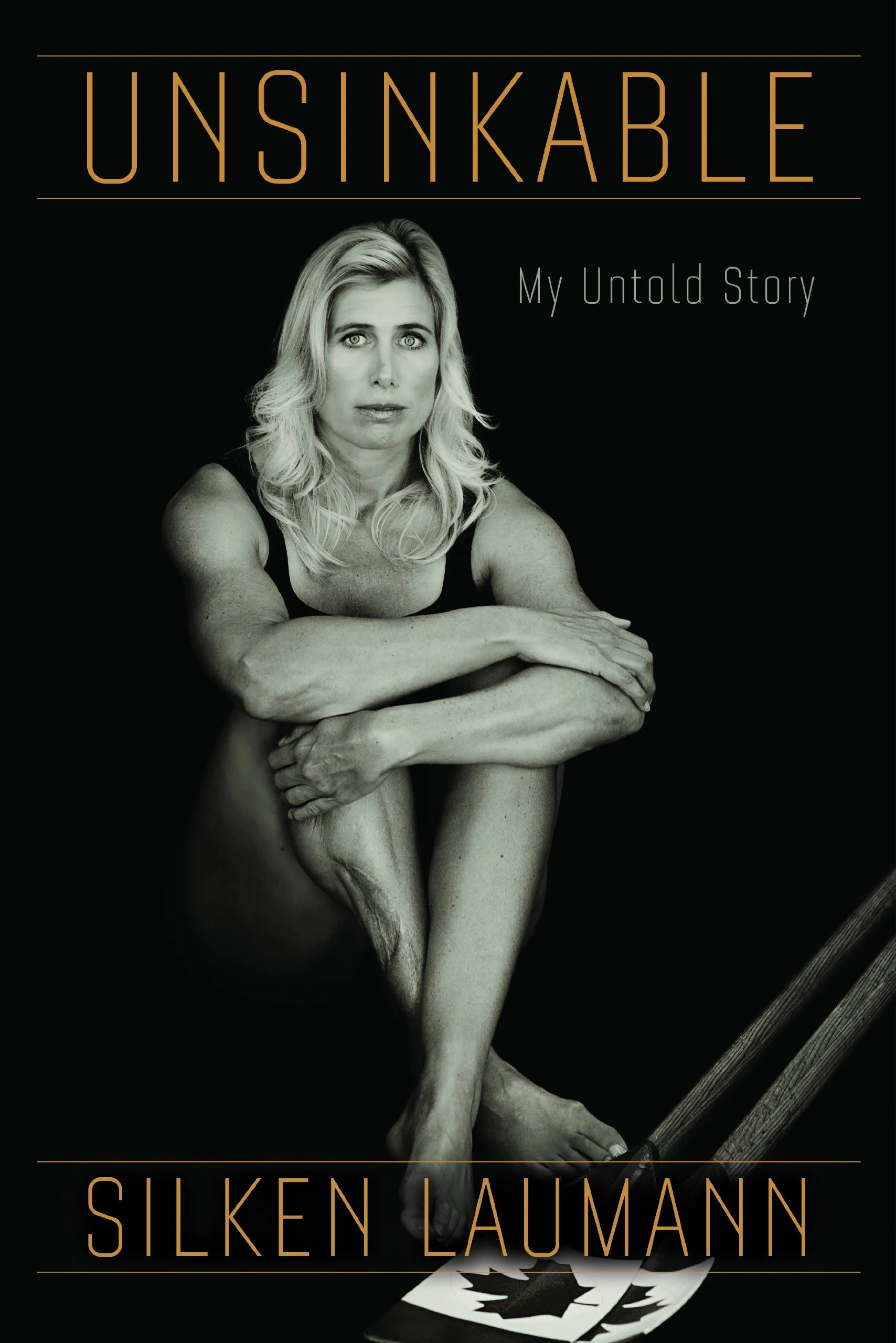
Silken Laumann
Olympic medallist, bestselling author of Unsinkable, and host of the Inflection Time podcast. Keynote speaker on resilience, and founder of the Unsinkable mental health platform.
This episode is supported by GoodLife Fitness and Ventum Financial .
One story, once a week, from someone who has been through it.
A short letter about a moment that changed someone’s life, what it taught them, and a question you might carry into your own week. No course launches, no countdown timers.