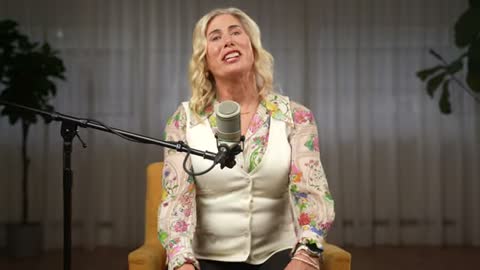
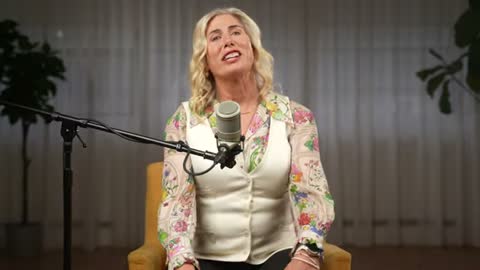
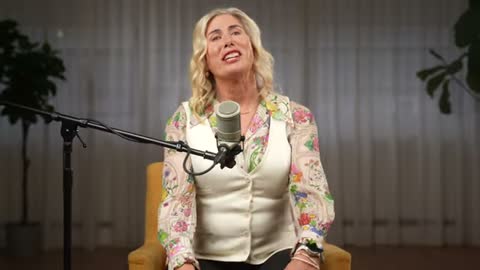
Joe Friday: Competing in the Kitchen
An injury ended his baseball hopes at 20. He found another place to compete: a kitchen, where he wanted to cook better than anyone.
“You’re going to float no matter what. You don’t have to know how to swim. You just float. That’s what confidence is to me.”
Transcript
Speaker names are being checked and will appear here soon.
00:00 Meet Joe Friday
Joe Friday. Thanks for having me. Really, really glad you're here. And thanks for being here in person. Yeah. Because I get to feel your energy, not just listen to your voice.
And I so appreciate that. I think that's the only way to do it these days. I mean, I know Zoom is pretty cool. Yeah. Because of technology. It's a tool.
Yeah. But I think a person is great because you get to read energy. You get to look into the eyes. Yeah. That's fair for it. Exactly.
I got to tell you, I was a little intimidated to when Michelle, on the team here, Michelle Archer, my producer talked about having you on. I'm like, as chefs, I barely know how to feed myself. You know, I'm still learning in my 50s how to feed myself. Yeah. Having been an athlete, I feel like athletes are sometimes the worst because you're allowed
to eat a lot of food when you're an athlete without many repercussions. But you tend to divide food into their functional purposes. Fuel. I need protein. Yeah, fuel. It's fuel.
And the idea that food is social and pleasurable. And you can tell now I actually do love food. Yeah. And I do love to eat. Yeah. But I certainly wouldn't consider myself a foodie.
Mm-hmm. And yet, you know, food is really about connection, isn't it? Yeah. And about, you know, I've heard you talk about it as expression. Mm-hmm. You express some of your creativity through food.
Mm-hmm. Yeah. Yeah. I think food is, so it's about community. And there's one thing I've had in my mind I've been trying to put together for a while is like, maybe I can stop all the world wars if I can get all these guys in one room and like six or seven of the best chefs in the world.
Yeah. And we just cook for them and allow them to have a conversation. Because when you come to a table and you cook with somebody, you break bread with somebody, you can build relationships there, right? Yeah. So to me, that's important. I think that's what food brings to me.
That's so funny that you have that idea because I've always thought about sport and movement as like, we could just get everybody else in, you know, everybody that's leading the world right now, even the ones that aren't doing it so well, in a boat, in a rowing shelf. Yeah. Or on a soccer field playing together. Mm-hmm. And needing to work together. Yeah.
You know, something would emerge that's kind of magical. Yeah. It is about connection.
02:16 A baseball injury and a new place to compete
Now, like I grew up and I remember, I remember the exact moment that I thought of being an Olympic athlete. Mm-hmm. It was 1976. Okay. I was watching television. The 76 Olympics were in Montreal and there was this gymnast named Nadia Comaneci and she scored the perfect 10.
And she was, she just was so strong and powerful and, well, I guess perfect really. And I thought, I want to do that. I want to, I want to be an Olympic athlete. And I, you know, I thought I could be a gymnast, but I, you know, I don't know if you noticed, but I'm pretty tall. Yeah. Yeah.
But it was, it was that moment of, oh, I see myself here. I see myself somewhere different than I am right now. And I wonder if you had a moment like that. Yeah. I mean, I think, uh, I don't know. I, so I played, played baseball at a pretty high level.
Okay. Um, just borderline. I was about the minors and, and it's pretty, uh, pretty high level. Yeah. It's pretty serious stuff. Pretty interesting.
Cause I was good enough to kind of get looked at, you know, in college and there were people, scouts are coming in. Yeah. I hurt myself. And when you hurt yourself and you, and, and, and you're not the top two or three or four, you kind of have a lot of options at that stage because it's like recovery is a year. Then another year of getting the eyes back on you. And then, you know, so I was 20, you were 20.
Okay. And so it was just like one of those, you know, if you make it to the, to the majors or the Olympics, whatever you make that, make it there. And, you know, you have the opportunity because you, you know, that they know that you can do it at that level. And it was hard to invest on somebody that they don't know what they can do at that level. So I had to make a decision and I've always been competitive because of my sport background. And like, uh, the kitchen was just a place where you can be competitive.
You know, like you can be better than the other chefs and there's ways that you can be better than the other chefs. But did you, did you have a chef?
04:19 A grandfather who cooked for his town
Like, how did you even like, I wouldn't think about being a chef as competitive. I wouldn't have, that would never have been on my radar. How did it even come on your radar? Me being a competitive person. Yeah. That, that's the only reason it was on my radar.
I had a chef that I looked up to, Jacques Pepin. Okay. Um, Julia Child. Yeah. Uh, those are some of the notable names, um, growing up. But then my grandfather, you know, like, I don't know.
I think, I think it's pretty cool to look up the people who are in your family. Um, just to pave the way. But, you know, my grandfather was a chef and he was a local chef in my town. And I wanted to do it. I wanted to cook for people, but I wanted to do it better than everyone else. So that's where the competitiveness came from.
The competitiveness. I also wonder, like, so for me, when I started in the sport, you know, like I really had like a vision of it, you know, I could, I could see it. I could feel it. I could almost taste it. Yeah.
And it wasn't like, okay, I'm going to be Ontario champion. It was right away. I'm going to be Olympic champion. Like almost before I even got into a boat.
05:21 The chef he no longer wants to be
Were you thinking that far ahead or were you just thinking, I want to, I want to, I mean, you said you looked up to Julia Child, some of these other incredible chefs. Did you have right from the get go, that idea that you would become great, that you would become a chef, which in itself is an enormous accomplishment. A hundred percent. Like for me, I'm not where I wanted to be then, but I'm almost, I'm very close.
And for about 15 years in my career, I had to shut off that, that had to shut it off. Because what happens is if you just like living it every day, it becomes like obsession. And I don't want to, I didn't want to be obsessed. I wanted to make sure every day I, you know, I, I'm true to my craft. I'm true to who I am. I'm true to, and I'm, I'm, I'm kind to the people around me.
Being a chef has the opportunity to be a very horrible person. Um, because. You see where all those reality shows. Yeah. There's screaming and throwing in kitchens. A hundred percent.
And I, and that was me at a point, you know, I, I threw plates, I screamed, I, uh, I did things that are out of character, I would say. Um, and, but you know, I had to turn, I had to turn off that, that for a long time, um, because it was just driving me crazy. So, uh, I just wanted to get to a place and now I'm there and now I can, now I guess you can sit in it.
I'm not completely there, but I'm, I, I'm starting to see some of the fruits of my labor. Yeah. And so I'm, I'm enjoying the day to day. I love, I love the idea because, you know, I've often thought it's been a long time since I was a world champion.
And it's been a long time since I was Olympic, uh, medalist. And I've thought about how different and yet similar I am today. Um, how the things that when you're younger and you're trying to make it, you know, in a way you have to be a little obsessed, you know, that I didn't even like myself when I think back to how driving that competitive edge was to me. I mean, I think I'm almost the most competitive person I've ever met.
No. And that helped me be a world champion. It helped me be so good at what I did, but like, what was it also shutting down? Um, and I think that for me looking back, um, maybe it couldn't have been any other way, like maybe without all of that, um, drive and passion and, you know, the ability to focus in to the exclusion of everything else.
And I mean, I do think there's a piece of that that's real for any kind of excellence. Yeah. That exclusion of, you know, people's weddings and things that you missed and family events. Was that also true? Because you went to Cordon Bleu. I mean, you, you, you, you, you know, lived in Japan, you lived in all these different
places and countries and, you know, your, your craft has taken to you so many different places.
08:19 Missed holidays, and changing every two years
Um, can you now a little bit more accomplished and settled in your career? Look back and see a difference in who you are today to where you were when you were really just starting to build. A hundred percent. Like there's a, there's a huge difference of the, I listened to, I listened to a lot of sports commentary is a, uh, a guy named Skip Bayless and he just kind of, he's crazy.
He goes off the huff a lot. And he had said that I'm the same person as I, he's 70 now. I'm the same person as I was 17. And I'm like, man, that's, that's horrible. Um, you know, I, I, I'm different. I'm, I'm different.
And I think, I think there's a change every two years in like me being able to make adjustments in, in the way that I, you know, am. And I think that's a really cool thing. You know, you mentioned about, um, uh, missing like holidays, those sacrifices and man, they sucked. They really, really did suck.
Like not going to Christmas for 10 years or not flying home for Thanksgiving for 10 years. Thanksgiving is my favorite holiday. Um, yeah, it's just like, there's no, there's no, there's no, um, there's no like expectation of gifts. It's just expectation of time. And that's, that's why I enjoyed it so much.
Thanksgiving too. And it's about food. I can understand why you love that. Yeah. But it's also for me about gratefulness. So Thanksgiving, you know, Christmas, there's this buildup.
Everybody's got, you know, not everybody celebrates Christmas. There's a lot of complexity around the Christmas holidays where Thanksgiving, it's like you just with your people, whether your people are your family or your, you know, the friends that you've chosen to travel life with. A hundred percent. I have a question for you.
Like, so being a great athlete like you, like, is it you wake up in the morning wanting to be dominant? Is it, is that, is that, is it? Is that a drive? Like you wake up in the morning, like, like is, is like, what is it? What is it?
What is the morning routine when you went on a day that you're competing? Like, is it like, uh, I wrestled in high school and I was pretty good. I was pretty good. I lost twice in high school. And like, as a kid, I just wanted to have fun until like my senior year. I was like, I can get a scholarship.
I got to beat everybody. And so I had to, that changed like from the, from 13 to 17, that changed because every day I woke up that I had to compete to somebody that was really good. And like, you look at them, they're very physically intimidating. You have to change. It has a different mindset.
So what was your mindset on competition day? So, so gosh, you know, I go like, absolutely. You know, I not only wanted to win, I wanted to never be beaten. And it was like super intense when I think about it. Like it was the first thing I thought of when I opened my eyes in the morning. You think about cereal first?
Nope. Not cereal. Not food. How? It's like sacrilegious. I'm talking to a chef.
I didn't think about food first thing. Yeah. I would think, okay, I got, I got to, I got to win the time trial today. I've got to beat the women's pair because we're having, you know, a head to head with Marnie McBean and Kathleen Heddle, who were like the best world champion, Olympic champions. You know, there was always that.
And I thought, every erg test, every piece, everything I did, I had to be the best and like too much sometimes. And I see that now that maybe, actually, maybe I would have enjoyed success even earlier had I not been so driving and so in my own bubble, you know, but it's easy to look back, right? It's easy to look back and go, oh, I wish I'd been more open-minded. I wish I'd listened to more people, but I was pretty singular in my intensity.
And I think that's, I loved what you said about, you know, a gentleman that you really respect who at 70 says he's the same as he was when he was 17. And actually, that's kind of sad because I too think like we're, we're a work in progress and we're supposed to be learning and growing.
12:15 Silken’s comeback, and when doctors say no
And, you know, the beautiful thing is we have all the shit that happens to us in our life, right? Like, so, you know, I don't know if you know, but like way back in my rowing career, I had this accident in 1992, right before the Olympics. Okay. And I was the world champion.
I was favored to win a gold medal. I got hit by another boat and it was 10 weeks before the Olympic games. And I was told I would probably never row again because literally shredded my leg, shattered my ankle. And the doctors told me the Olympics were over. And I just couldn't accept that prognosis.
Like, it's over. Like, this is what I've thought about every single day since I was 11 years old. And I not only came back, I went to the Olympics and I won an Olympic bronze medal. And that was really interesting because I became well-known in Canada as this woman who overcame this near career ending accident. And people, you may change, right?
Like, I've been changing and growing, but my identity for a lot of Canadians is still really embedded in that 10-week period of time. Yeah. So, the temptation is to go back and sort of not rest on your laurels, but that's how people identify with you. And you, you know, you need to bring them up today by doing and being different.
Mm-hmm. So, like, I feel like life has just been, you know, since then I've gone through a divorce. I've married, remarried. I have a daughter with severe autism. You know, I wrote a book about mental health and, you know, growing up in my house. So many things have happened.
But that's been very intentional on my part. Yeah. It's been the intention to not stay where I was. I mean, I'm really hearing that for you, too, is there's, you know, you're Chef Joe Friday, but you're also this person who does a lot of other stuff. You advocate for sustainability in the food industry.
You mentor other young chefs. And, you know, you really, as you're moving forward, you're also reaching back. Yeah. A hundred percent. Like, a hundred percent. This is like every day is, like, changing.
You know, the mental fortitude to do something when someone says no is kind of normal. But the mental fortitude to do that when a doctor says no, a professional doctor, is amazing. It's just, it's incredible. You know, like, because doctors kind of, like, got the final say in some things. And it's just like, no, man, I got this, you know, and you did that. And, like, that right there resonates to me in my career.
Like, if I was the same old Joe Samoa when I was 25 and now, I wouldn't be married. Like, no girl can handle the 25-year-old Joe. You know what I mean? It's just like, it's like that was the immaturity there, the, you know, the way I see in the world. There's a lot of that still here. But the, I guess, just being a good person and a direct proper mentality.
So changing, you have to change. You have to work with yourself. Yeah. You know, for sure. Well, and it's interesting, too, because we can be defined by how we were. Mm-hmm.
Or we can choose to keep going. And in the keep going, there's a lot of ups and downs. Like, you know, you're launching a new podcast. I'm launching a new podcast. Yep. Are we going to be good at it?
Yeah. You know, hopefully. But if we're not right out of the gates, I'm going to figure out how to get better at it. This is something, these kind of conversations is something I imagined when I was a kid. Yeah. You know, I imagine when I was a kid, I used to think I'd host a radio show.
Remember when radio was early? Yeah. Yeah. You got a great, great radio voice. Oh, thank you. Yeah.
Remember that? Hello, Delilah. Delilah. Yo. Yeah. Hey, man.
Hey, man. Hey, man. Hey, man. I'll take that as a couple. Yeah. My mom's a bit opposite.
She's like, you've been away, because I don't go home that often as much as I like to, because I just travel a lot. You're in North Carolina, right? I'm from North Carolina. And so, like, it's just, my mom, when I go home, she's like, she wants me to cook for her.
Because it's just like- So would I, actually. It tastes better. She knows it. Yeah, yeah. You know, like, the first thing I did when I got from culinary school, I made her a couple
of dishes that she's never made before. I mean, they're very familiar with their cultural dishes, you know, some of the Southern fare. That's absolutely amazing. And I love it. But it's, I don't know, it's really cool to go back and cook food to my parents that they never heard of, you know, like, they've never thought of.
And it's just like- And to have them taste it. Yeah. And, like, get their reaction from it, right? So that's really cool for me. But it's also cool just to go home and enjoy some of my childhood favorites, you know.
17:14 Outworking everyone in culinary school and at Disney
You know, a lot of people, a lot of people ask me about the Olympics, of course. It's sort of, you know, there's certain worlds that we can't enter easily, right? And one of them is being an Olympic athlete. But I would also argue one of them is being trained in a Cordon Bleu's tradition and being amongst the best in the world. Can you just give us a little bit of a snapshot of how intense an environment?
Yeah. I mean, that was, that's very intense. I mean, put yourself in a room with a bunch of people who want to be as good. You don't know exactly what they do when they go home, though, because that's when you become great. You go, you become great when you're not on the clock.
I think all those, all those times, you know, you hear the stories about athletes and, like, waking up at 5 a.m. or whatever it takes to kind of, like, get that edge. Like, that's what, in my opinion, you become great, like, taking work home. Like, so what I did in those times when I'm in the room where a bunch of peers or all of us are trying to be the next big thing or want to get the next job, like, you know, at that
time it was Ritz Carlton or something like that.
I went home. Like, as soon as I got out of school, I just went straight home, jump right back in the book and just, like, learn more and just try to learn more than what I was going to learn the next day and try to be ahead of the schedule, right? So I, I, I was top in my class. So, like, then there was, like, no, there's no, it wasn't going to happen any other way,
honestly. Like, there's no one ever going to be able to work, outwork me. That's, that's not going to happen. You know, you may be more talented than me, no problem, but not going to outwork me. And so, like, I got an internship at Walt Disney World, one of the 100, one of the top 100 in the country at the time to get this invitation.
So I got to work at Walt Disney World as an internship. And then when I, when I did that, I was working with some of the best chefs that were in the game doing it right then and there in front of you. And so that was really cool. It's like mass exposure. Yeah.
A hundred percent. And you get to, and, and Disney's one of those places where they don't care too much about overtime. Definitely when I was there. And so, you know, you can work your 40 hours, um, go do some studying and then, and then enjoy your weeks or your days off or weekends or your days off, whatever.
I didn't do that. I did my 40 hours. Then I went into the Disney portal and asked and see what other chefs need a, a, a, a sous chef for the weekend or somebody to cut onions or potatoes or whatever needs to be done for the weekend. Cause you can just go work any restaurant.
And I did that. And like my days off were working and I really enjoyed it. I enjoyed it cause I knew I was getting ahead.
19:43 Earning it, and how he mentors
And did you feel like you were given the right opportunities? Did you have people in your court where you, where you ever feel, did you ever feel like you were overlooked or were you always given your opportunities based on like how hard you were working? I worked off. I got all my, all my, um, opportunities off the merit.
It's just like hard, genuine work. Like, you know, put my heads down, like asking questions, the right questions. Um, no one's ever given me anything. I've given myself it. Um, but I appreciate the people who helped me, uh, get to where I am, you know, the challenges they give me the, the, the personal support.
Right. So like, I mean, I always tell everybody, like, you know, the people that I mentor, like, look, man, don't ever look for me to do anything for you. Yeah. You know, I'll, I'll give you the right tools, you know, and I'll, and you have to take this home.
You have to want it, you know, like I can't, I can't be in your mind and help you want something. You don't want it. And so when you want it, you're going to show me that you want it. You're going to work hard. I'm not going to have to tell you to do something twice.
You're going to know exactly how to do it because I, and if you don't know how to do it after I taught you verbatim, you're going to go home and then understand that and then come back. I'm never teaching it again.
20:52 No doubt: confidence as floating
You'll be a pro. And did you ever doubt yourself? Like you tell, you, as you tell the story, you just sound, you're like, you had so much confidence. Yeah. Like, I'm kind of blown away, you know, like you just got into that school and you're like,
I'm just going to work my ass off and I'm going to make this happen. Yeah. And like, did you have moments where you thought, Oh, I don't know if I can do this. It's too hard. Or, or people are overlooking me or, you know, I don't know what the next step is. Did you have those moments of doubt along the, on the, along the way?
No, no, never, never, never. That's a doubt and non-belief is okay. I think there's times where you, you, um, you're tired and you're in, when you're tired and in the mind, it's just like, it's not, I don't think it's doubt. It's just like, uh, how much more, you know, how much more is it going to take? And those times you can refresh and you can like reassess your strategy.
And like, I don't sit here and say that I'm the best chef in the world. Um, but through the process of me becoming the chef, the way I wanted to is I've learned marketing. I learned branding. I learned all these avenues that make me the best person to put in a restaurant. Yeah.
You know, and like, like, like the whole package. Yeah. Yeah. But, but I also can cook really good. They also can do all the different techniques that other like Michelin star chefs can do, but it's not necessarily my passion.
I do that. I'm a private chef too. So I do it for my clients and I don't, that's one of the, one of the interesting things of social media is very, very, um, uh, honest picture of things. Not really because it's social media, but I don't post a lot of photos of the food that I cook for my clients because it's their experience.
Yeah. Okay. And, and, and, and like, and there are people ask me like, why do you make, you can get more business. I don't need more business. Like I, you know, like I can't work, I'm only one person.
So the, the people that I cook for is their, this is theirs. This is their personal experience. You know? That's interesting. And it's interesting that you, you know, you don't feel a lot of doubt because, uh, you're one of those special people.
Then I, I, I married to one actually. Um, uh, my, uh, has been, you know, has been an entrepreneur his whole life and I can honestly say he hasn't spent a lot of time in doubt. He hasn't wasted a lot of time in doubt. And I, I wish, I wish for that for myself. And I think as I've gotten older and more at peace with who I am as a person, um, I
experience a lot less of it, but doubt is, is something that most people do struggle with somewhere along the line. Um, sometime, you know, thinking that they don't belong or they're not good enough or whatever it is. Those are pretty common thoughts. And so it's interesting because a lot of, um, high achievers have quite a high level of
doubt, but then you get people like yourself who really, you know, that hasn't been their battle. They've had other battles, but the self-doubt isn't that, that for them. Yeah. You know, interesting. I, I, I say confidence is in a lake of buoyancy, like salted, salted water.
You're going to float no matter what. You don't have to know how to swim. You just float. That's what confidence is to me. Interesting. I don't have to worry about the, the, the, the person, the professional doubt.
Cause I know I'm going to work hard. I was working hard since day one of my life. Like I was a sick baby. I was a baby with a very, very bad heart condition. And like, uh, I was just recently on visit my grandma. She's like, we didn't think you were going to make it.
She's 90. And like, you know, you think about those memories, like we didn't think you were going to make it. I'm so proud of you. You're on, like, I just saw you on TV. You're doing it.
Maybe you were a fighter. You're like, yeah. So why am I going to doubt about professionalism? When I, I, I had to work really hard to be like, you know, like people told me I needed a heart transfer, but by the time I turned 30, like I, I, I superseded that, you know, like, yeah.
Like, you know, doctors told you can't, doctors told me I couldn't either. And like, why am I going to worry about doubting myself or anything else? All I worry about is treating people good and working hard. Let's all have to worry about it because the relationships are what's going to take you and help you get to other places in my business. relationships.
And in your personal life. Yeah. I mean, I think, I think, I think the personal life, I mean, when it comes to like personal relationships, I think, I think that because of my professional life is so, I wouldn't say chaotic, but it's very busy. I don't want to let people down.
And when I do let people down, I genuinely feel that. Like, you know, I just like, it hurts me because I don't, you know, that's something that you should be able to control. And at the end of the day.
25:26 When everything else comes second
Like, is being a chef something that's like when you're in it, you know, you're about to open another restaurant. Maybe you want to talk about that for a second, but like, you know, do you feel like everything else has to come second for a while? Like when you're building something new? Yeah, it does.
But like. And not everybody understands that. It does. Like there's sacrifices. Yeah. But like, you know, so, so for me, this is a, for instance, on a, on a regular weekend,
I pretty much spend a little bit of time in the morning, like kind of like relaxing and not worried about opening my laptop or anything else. But then, you know, maybe I have like plans with people throughout the weekend and, and sometimes work gets in the way of that when I'm supposed to be off. Yeah. And that's when I feel bad where like, okay, well, I need to get in.
I need to do this for work because it's really going to help me, you know, get to where I want to go. How do you work that in your mind? You know, because I mean, I think I'm similar, right? Like, you know, we don't have typical job. My career has always been pretty central in my life.
I've had kids, I've got a family, I've got people I love. Yeah. And they are my priority.
However, when you have an atypical job, sometimes you really do continue to miss big events in people's lives. Sometimes you're kind of that friend that can't be as predictable and as steadfast as other friends. Do you struggle with that? Do you sometimes think like, oh man, I wish I could show up even more for these people
that I love? Yeah, I do. I do. I think recently, I think I put a quote on my, on my social media about like, when you have friends that are entrepreneurs, they understand more. And it's like, and it's like, I keep in touch with a lot of people, but not everyone is on
the same level. You know, like, literally there's friends that if I see them in 10 years, it's cool. There's friends that I like to see a little bit more. And there's friends that just understand that, okay, she's an entrepreneur. She's an entrepreneur. Sure.
I know they're probably going to be busy. You know, like I know that there's something that may come up. So they understand it, you know, but, but when we are hanging out, we understand we cherish our time together. We try to have special moments, you know? So like, I think, I think, you know, moving forward, this is a recent revelation for me,
but moving forward, it's just like, you know, I want to keep people around me who are like minded. So your circle can be stronger. And so the energy for that, for, for, for success can be strong. Because if you're in a room for, with a bunch of like-minded people who have similar goals in you, with you, you all can feed off each other.
And there's, and especially like, say I'm, I don't make it in, but my buddy makes where he wants to get in life. I don't know what it, what it may be a private jet or just maybe the cap, whenever, whatever goals he has, he gets it. Like we can celebrate that with him. Yeah.
That's so important, isn't it? And it takes, I mean, it takes a fair bit of maturity and maybe some losses, like losing some friends. I certainly have over the years. And it's not always, like for me, it's not always about, you know, having entrepreneurial friends or people who put their careers central in their life.
Cause I think you're right. Like, it's really great when you have a group of, for me, women, you know, who understand what it's like to be a businesswoman. I'm not understand what it's like to, you know, be pretty ambitious and what you still want to achieve because you're speaking the same language, but also sometimes creatively, you're also feeding off each other.
And that's just, that's just awesome. But I'm also okay to have people in my life who aren't that ambitious necessarily in their careers, who, who kind of understand, but don't understand, but they're like compassionate and empathetic people.
29:10 Letting go of people who drain you
But what I've really changed in my life is I don't hang out with people who drain my energy. There you go. You know, like there's just people and, you know, maybe you knew them when your kids were little or like for me, you know, your kids maybe grew up together or, and you realize, God, every time I'm with this person, I'm exhausted.
Yeah. Back in. You know, right there. And like, you know, sometimes you just got to pay attention to that and go, I, that is for me, the hardest thing actually is cutting somebody out of my life saying, I, I just, I can't hang with this person anymore.
They're not, they're not going to the same place I am. They're not vibrating, but you know, on the same frequency. Is it hard because of a relationship that you have with them or is it hard because, um, you know, you just, you, you kind of feel bad with, about doing it. Cause it's not hard for me. Yeah.
I just like peace. We, it was, we had a great moment in the sun. Yeah. I'm just, that's just kind of how I feel like, cause I got to move forward. And if you don't want to move forward with me, then that's okay. Yeah.
You can go. Yeah. You know, you know, I, I grew up in a family environment where love wasn't guaranteed. You know, it was based a lot on you behaving and being a certain way, you know, especially from my mom. And so I think like not having experienced unconditional love as a child has made me more
susceptible to holding onto people that are no longer serving me, I guess in a way. Right. And to me, it sounds kind of a bit, you know, harsh, but, um, it's made me less able with confidence just to do exactly what you do. Just roll with it and say, Hey, you know what? We had a great 10 years.
We had a great 15 years of friendship, but this isn't working for me anymore. I'm going somewhere else and you know, you can come along, but like a lot of people don't want to come along. They want to stay where they are and they want to keep complaining about the same things and they want to keep being angry about the same things. And as I, I guess as I've loved myself more, uh, I want to stay in the light.
When you think about like your life path and those moments for me, I was actually a really big moment kind of realizing I got to let some people go because I don't have, I can't carry these bags anymore. I can't carry this load anymore. I need to move forward lighter. Yeah.
Yeah. That's important. I grew up in a military family, so it's easy. You know, you meet somebody for two years and you're off to the next country or something like that. So it was pretty easy to cut people off.
Yeah. Cause like, I mean, back then it was hard to kind of like make phone calls. Now we can keep in touch with via social media, which is cool because there's been times where people reach out and like, oh man, we were friends at eight years old. Like, wow, that's so cool. Now that's really, that's a really cool thing about technology.
You know, but like in the day-to-day basis, current time is just like, it's just, you know. So in a way you're, you know, your childhood was always being kind of interrupted by a move. So you've got like these very distinct chapters of, you know, and this was when I was in Japan and this was when I was in the United States. Yeah. This is when I was in Canada, right?
Second time I moved, I realized there was a pattern here. I was like, okay, it's going to be hard to have a best friend. I accepted it.
32:39 Feeding people with information
So what do you, what, what is there still left to do for you? Oh, there's so much. There's so much. Like, like I want to get in a position to start some foundations just to help, help people, um, get fed. Mm-hmm.
Um, not food, but information on how to get out of situations. Um, at one point there's a, a thing I wanted to work on called Feed Toronto. Um, now I just want to, I'm working on called Feed the World and it's like information, information state, free information stations where like, uh, we were going to focus on seeing the moms, um, seeing what the female single fathers on how to get that help because man, this is, it's hard.
I can only imagine.
33:26 The big job he turned down
You know, do you, do you have, like, as you look back, I don't want to call it regrets, but do you have like moments that you can reflect on? I think, you know, I wish I'd made a different choice at that moment. I have this, I have this, uh, this big, this thought in my mind. About two and a half, three years ago about like mistakes or like second chances or what ifs.
And I tried to think really hard on all of them and, and I, I felt that they were all useless to even think about. It's just like.
Give me, give me one of your mistakes. Um, yeah, I mean, it's a career mistake, maybe not taking a certain job. I don't want to really mention the job cause it was a really big job. Not taking this job, um, that definitely the financial stable. Like this is before I moved to Canada. Yeah.
Yeah. And, uh, then moving to Canada. And I think that right there, it's just like, it's pretty big job. Um, one of the top. Now I'm super curious. Yeah.
I'm in the top 10 jobs in America because of my, my, my profession. And I, I turned it down and it was just like. Why'd you turn it down? It was because I'm an entrepreneur and it's hard to just work for people. Impossible if you're an entrepreneur. Yeah.
And it's just like, it's like, yeah. And it's just like, okay, well. I'm married to one. So. Yeah. It's just like, this is crazy.
Why am I doing it? So I turned it down. And if I think about that and like, think about what that money would have done or changed my life or, you know, like, you know, I could have been more far advanced or I could have, you know, got fired earlier or I could have like so many ifs. But I don't like it.
But it also could have, right? You could, you could say all that. Like I could have been wealthier and it could have been like, that money could have gone and opened like five restaurants. Yeah. But then there's the other side of the could have, right?
Because it could have been like, led you to like a major depressive episode or it could have led you into like having a huge conflict with somebody who was really influential. Like the thing is, we don't know, right? We don't know about the things that we said no to and how it would have, how it would have unfolded. So you're right in a way.
35:46 Ten days without a home
There's one thing in that story that the if, the biggest if. So no one really knows this because I don't talk about it. There's no article that I've ever told about this except for the really close people around me. I was homeless for like 10 days and that if would have never happened. And I probably took that job because I was in, I was homeless in my entrepreneurship.
I was like, I made it. I'm never going to work for anybody because these people, everyone, you know, I don't think no one's as nice person as I am. And I like when it comes to like being an owner of a business. So yeah, I was homeless. I was like hopping.
And this is in Toronto. And maybe there's too much pride. It's a tough place to be home. Yeah. Maybe there's too much pride, but I was hotel hopping. I was like just, oh, my buddies are coming in at midnight.
I'm just going to hang out in the lobby. It's under one of the other guys' name. So I did that for 10 days in a row. And then I got a job at a sandwich shop. And then like that was the thing for me is like I had to, I got to go work. And that hurt.
And so I worked for like, I don't know, I worked for a year and then opened up Cali Live. I'm really feeling that. Like when you, when you shoot, I just like, sorry, I had to stop because I was like, you must have felt so.
Well, nerd ball. Like. Yeah. I could have called my dad at any moment and like everything would have changed. It would have been fine. I got a family that's very supportive, but I also don't want to let them down.
But you were, you were ashamed. Yeah. Yeah. It's amazing how sometimes like when you're at your lowest point, that's when you resist. Yeah. Reaching out.
Right. Yeah. I was a bone call away from like, yo pops, I need some help. I could, I could have been playing golf in 48 hours, you know, but, but it was just like, okay, I lived in it. I made, I made the decision that I'm not going to work for anybody.
Do you think, uh, not to project too much, but I, I mean, I can't imagine that experience actually had a pretty profound effect on you and the fact that like, you're so interested in food security. Yeah. Um, do you think that, that there's a correlation there?
Yeah. I mean. Cause you know, you actually knew what it was like to be facing the abyss. Yeah. I mean, I had enough money to eat McDonald's every day. Yeah.
But, but, but, but, but that's not good. It was not good. I just, yeah, it was rough.
37:59 Reading slowly, and The Power Broker
I got two last questions for you. Yeah. Um, you know, one's really, um, well, one's actually about reading. I'm, I'm a big reader and, um, I had dyslexia as a kid. So did you have dyslexia too? Yeah.
That's interesting. So did it take you a long time to read? Right. It takes me a long time. No, it still takes me a long time. I got to read things twice.
Yeah. I got it. My wife can read like 13 legal documents by the time I finish. Legal documents. The worst. The worst.
Do you read though? Do you read for pleasure? I, I, I, I, I read for education. Do you? Okay. So still a barrier.
Yeah. But I also, I also listen to audio books a lot because I'm more of a visual learning. I can like visualize when I'm listening. And so like, I do read, I'm reading a book right now called The Power Broker. It's about one of the most successful builders in New York's history. He kind of like, he kind of built New York.
The Power Broker. Yeah. It's the name of the book. It's about that thick. Yeah. It was recommended to me by a friend of mine who's a lawyer.
And it's just like. Okay. It's insane. It's intense. The meat, the, the, to get the meat people. And I say that because you, if somebody writes a book proper, you can meet them.
Yeah. Um, to get the meat people in their element and understand what drives them. Really. That's, I really, I'm really eager to learn more about that. Yeah. And The Power Broker takes you to why this guy had this vision of building New York City.
Yeah. And there's nothing better than a book. Is there, from that perspective, because you can go so deep. Yeah. You know, like, it's just like, you've got that whole, you know, 600 pages, 400 pages, whether you're reading it or listening to it.
Is there, is there a book that you remember being like pretty fundamental in like changing your mindset or, um, influential to you in some way? I mean, the one you're reading right now sounds like, sounds like a lot of what you're reading. Yeah. This, this, this book.
So you heard Thomas Sowell? I think so. He's an economist. He's a, he's a black economist in America and he doesn't have a lot of the same ideas as most people, most black people in America when it comes to certain things. So he has a couple of books called, one's called the, um, black redneck.
Okay. Um, one is called, uh, wealth and politics. Uh, he has one book about Irish, Irish immigrants and it's all about disparity and communities and education and learning. And like, don't be woe is me. Don't sit here and like wallow because like there may be a race difference and you think
other people are getting an opportunity. I think that's one thing I said in the beginning of this podcast is about me just working hard and getting, earning things on my own merit. And he speaks about that a lot. And so I think that book, I mean, him in general changed a lot of my mindset because of what I, what you hear that's so common of like blaming everyone else for your failure.
Did, did you feel at some point when you were becoming a chef that being a black man would be a barrier? It was at your old mindset or did you always have the mindset of like, screw it? I've always had this mindset because I have great parents. My parents taught me that everyone's equal and if you, if you, if you, if you get equal opportunity, you know, like, you know, that's what it matters.
And so my parents taught me that, but like reading his books kind of gave me reassurance. Yeah. That's cool. That's cool. I certainly remember for me, I think reading so late in life, really like, um, I didn't really read recreationally until a high school.
Yeah. That was like opening, it was like opening an endless portal to the world. Yeah. And we lived, as my mom had a mental illness, I think we lived a very isolated life and books were a way of like blowing open the world. Yeah.
And that's, that's so cool. Thank you for that. Yeah.
41:46 Advice to 13-year-old Joe
Is there something about those tween years, you know, when you're not yet a teenager, so maybe it's not 13 for you, maybe it's 11, but do you have a piece of advice? Like now as this, you know, incredibly successful, vibrant human that you would give 13 year old Joe? So, yeah, there's two answers to this. Um, the first answer is, would be to stick with wrestling.
And then I would have been maybe in the Olympics cause I was really that good in high school. I was pretty dominant. Um, I just came back from North Carolina and like we were sitting in a restaurant and, um, the guy was like, oh yeah, I'm from that town. I was like, yeah, I beat everybody in that town when I was in high school. He's like, what do you mean?
And I was just like in that area, I was like, and then people started, people recognize me. So like, yeah, maybe stick with wrestling and do that in college instead of baseball. Um, but if I was the 13 year old and I, I chose this path, then, um, uh, it would have been, it would have been, uh, maybe take a couple of business courses along the way. Cause my business courses have been hard knocks, like just the street. Learn by doing.
Yeah. Oh, thank you. Well, thank you. It's been awesome talking to you. Yeah. I feel like we can go over hours, but we can go for,
the sun must go down at some point. Yeah. And well, you know what? I would say it's the beginning of hopefully a few more conversations. Yeah. I gotta bring you on with that's the move.
Yeah. That's the move. I love the name. That's the move, you know? Yeah. And it's true.
Right. And there's so many different levels that title works on that, that name works on. I think about it from a dance perspective and I can think about it from a, you know, life perspective. Yeah. And I think about it from a sort of spiritual, emotional perspective.
There's a lot of ways. So it's been a pleasure. You've been an amazing guest and so generous with your time. Thank you. Thank you for having me. I'm really happy to be here.
Yeah.
Thanks for tuning into Inflection Time. I hope our conversation inspired you to think about inflection points in your own life. If you enjoyed our chat, be sure to subscribe, rate, and leave a review. It really helps. Remember, every challenge is an opportunity to grow. So keep embracing those turning points.
Until next time, I'm Silken Laumann, and this is Inflection Time. I'd like to thank my sponsor, Good Life Fitness, and Tall Boy Water. A big thank you to our incredible guests for sharing their stories with us. I'd also like to thank our fabulous production team, our executive producer, Michelle Archer, our producer, Phil Kluba, and our communications director, Christine Bays. Inflection Time was created by Archer Co., acronym, and me.
As an Olympic athlete, it's not surprising. I love working out, and I love going to the gym. Strength training is so important for bone health, for metabolism. And our partner is Good Life Fitness. They are offering a seven-day pass to all of our listeners. Visit our description to access your seven-day pass.
Key takeaways
- A new place to compete. When an injury ended his baseball chances at 20, Joe took his competitive drive into the kitchen. He wanted to cook for people, and to do it better than everyone else.
- Changing is the point. Early on he threw plates and screamed in kitchens. Now he sees himself changing every two years, and he wouldn’t want to be the same person he was at 25.
- Confidence that keeps him afloat. Joe was a baby with a serious heart condition, and his family didn’t think he would make it. He describes confidence as salt water: you float whether or not you can swim.
- Pride at the lowest point. Homeless for about ten days in Toronto, Joe knew one call to his dad would change everything. He didn’t make it, and went to work at a sandwich shop instead.
- A circle that understands. Joe keeps people close who understand a busy entrepreneur’s life, so they can push each other on and celebrate each other’s wins.
Joe Friday
Chef, restaurateur and founder of Friday Burger Company
Joe Friday is a chef who was born in North Carolina and raised in Okinawa, Japan. He trained in French cuisine at the Culinary Institute of America, began his career in Walt Disney World’s culinary program and staged with Thomas Keller at The French Laundry. After moving to Toronto he joined the opening team at Luma at TIFF Bell Lightbox, became part owner of ViaVai and Calii Love, and founded The Chef Collective. He opened Friday Roots in 2019 and Friday Burger Company in 2023.
- Dine Magazine: Thank God It’s Friday, profile of his career and Friday Burger Company
- Cuisine Noir: Joe Friday takes Southern roots around the world and back with Friday Roots, 2020
- ByBlacks: Driven by passion, the rise of Chef Joe Friday, 2018
- Streets of Toronto: the chef who tasted over 700 burgers before creating his own, 2023
Resources 8
Research and sources behind what was said in this conversation.
- Breaking Bread: the Functions of Social Eating (Dunbar, 2017) Adaptive Human Behavior and Physiology People who eat with others more often feel happier, trust others more and have more friends to rely on: the connection Joe means by breaking bread.
- Jacques Pépin Foundation jp.foundation Joe names Jacques Pépin as a chef he looked up to. His foundation supports free culinary training.
- Household Food Insecurity in Canada PROOF, University of Toronto 9.8 million Canadians, including 2.4 million children, lived in food-insecure households in 2025, most often where incomes are too low or insecure.
- Hidden Homeless Homeless Hub Hidden homelessness, or couch surfing: living temporarily with others without stable housing. It often goes uncounted.
- Calii Love caliilove.com The Toronto restaurant Joe helped open after his year at the sandwich shop.
- The Power Broker: Robert Moses and the Fall of New York (Robert A. Caro) Penguin Random House The book Joe was reading: Caro’s Pulitzer Prize-winning biography of Robert Moses, the man who built much of New York.
- Black Rednecks & White Liberals (Thomas Sowell) Encounter Books One of the Thomas Sowell books Joe says changed his mindset.
- Wealth, Poverty and Politics (Thomas Sowell) Basic Books The other Sowell book Joe names.
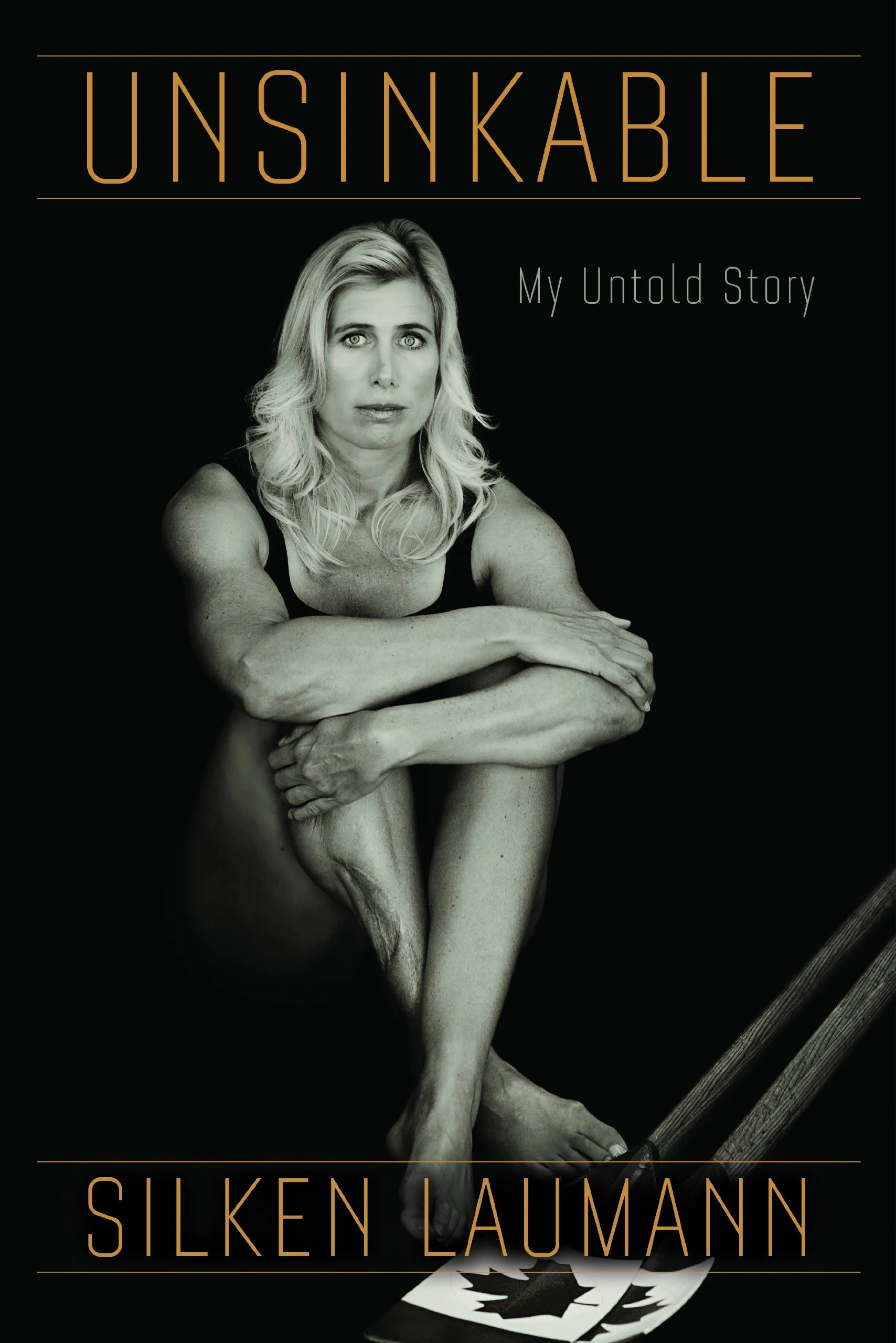
Silken Laumann
Olympic medallist, bestselling author of Unsinkable, and host of the Inflection Time podcast. Keynote speaker on resilience, and founder of the Unsinkable mental health platform.
This episode is supported by GoodLife Fitness and Tall Boy Water .
One story, once a week, from someone who has been through it.
A short letter about a moment that changed someone’s life, what it taught them, and a question you might carry into your own week. No course launches, no countdown timers.