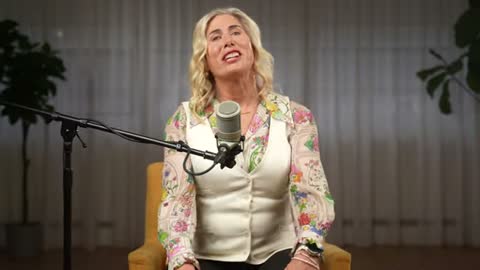
Ksenia Daniela Kharlamova: Heated Rivalry, Canadian Identity, and Becoming Yourself in Public
At 23, Ksenia Daniela Kharlamova is at the very start of something big, and she is not letting the noise change who she is.
“It’s just like, I’m just a person and I want to tell the story.”
Transcript
Speaker names are being checked and will appear here soon.
00:00 Meet Ksenia Daniela Kharlamova
Welcome to Inflection Time. I'm Silken Laumann. Every life has turning points, those moments that change everything. In this podcast, I sit down with remarkable people to explore the challenges, choices, and unexpected events that shape who we are. From heartbreak to triumph, fear to clarity, these are the stories that remind us that growth isn't linear and meaning is often found in the moments we least expect. Inflection Time, uncovering the moments that make us.
When I interviewed Ksenia Daniela Kharlamova, there were so many things that stood out. She's 23 years old and she is playing a supporting role in the incredible show Heated Rivalry that has just taken off. It's the number one show on Crave. And for those of you who haven't seen it, I mean, it's sort of a genre-busting movie. I mean, it's a romance. The two main characters are hockey players and they're gay. And that is just a huge thing when you think that no NHL player has ever come out while playing as openly gay. So it's doing a lot of boundary-busting. But this one, I think what struck me is how 23 years old, how composed she is, how kind of worldly in some ways. I mean, she's lived, she's sort of split her time between St. Petersburg and Toronto.
And how fiercely Canadian she is, talking a lot about protecting Canadian content, how great Canadian content is, and how we have to, you know, stand in our own greatness as Canadians. So she was such an interesting interview, such an intellectual young woman. So I hope you will join us at Inflection Time watching this interview. I learned a lot and I hope you will too. I'm so excited because on Inflection Time today, we have Ksenia Daniela Kharlamova. Yes, yes. And you are, I mean, you're really having a moment right now with this show, Heated Rivalry. And it seems to be on everybody's tongue. Yeah. Wow. And so, first of all, thank you for coming in at what's turning out to be an incredibly busy and kind of like a turning point in your young life. Yeah, I appreciate making time for us today. Yeah, of course. I'm so happy to be here.
Yeah. So you have, you've had a really interesting life already. Like you're 23 years old. And I was saying to you earlier, that's only a little bit younger than my youngest kid. And in a way, you know, at 23, you could say that you're grown up and you're living a very grown up life, but you're still developing as a human being. You're still, it's like you're like an adult emerging. Yeah, like I'm a, I'm in like my, my baby version of an adult, you know. That's a good way. Yeah, I'm a baby adult. So I'm getting a little slack here, right? And then you're getting, you're getting pulled into a different kind, a different pace of world than a lot of 23 year olds. A lot of 23 year olds are kind of still figuring out what they're going to do with their lives. And, but you did some of that before, like you've been working for a long time. Yeah. I mean, like I kind of always knew I wanted to be an actor. Like, I think I found that out really young. I just really like storytelling. I really like telling stories. I remember I used to like watch movies as a kid and I'm like, oh, I want to do what that character does. And I'd watch another movie. I'm like, no, I want to do what that character does. And then I realized I don't want to, I don't want to do any of those jobs. I want to be an actor. Like I want to be the person telling those stories. So yeah, I'm very, I think I'm very thankful that I know, I knew what I wanted to do very young. Very young. Although you were exposed to a lot of different things. Like, I mean, I guess all kids can be exposed to a lot of different things. I remember reading, oh, you've done like circus, which is like, to me, a totally random thing.
But then I'm thinking, well, yeah, my kids did synchronized swimming. It's like also super random with like, that you had to put like hair gel on your hair to go in the water.
04:21 Growing up between Saint Petersburg and Toronto
It was actually like gel and be all hard to hours and hours to get rid of. So because you, because you spent a lot of time between two countries, right? And I'm just wondering, like, was the circus more connected to Russia? Because you're in St. Petersburg for some of your life and then in Toronto for other parts of your life. Yeah, yeah. Circus, we have, when I was living in Russia, and I think they're still there, there's like these like almost, I guess, I don't know if this is a direct translation, but they're almost like clubhouses. You can go and do a bunch of random activities. Like we have like a biology club, like an animal biology club where you took care of animals that they brought in. I thought you were going to say you dissected animals. No, no, no, no, no, no. They were all alive. They were like foxes and rabbits and reptiles and mice.
There was a lot of club. Yeah, there was like computer club, but I'm not good at math, so I can't like, I'm not, I can't do any of that.
Were these just part of like after school activities? Yeah, it's kind of, it's not connected or affiliated to the school, but you would go and do all these things and it was really, really fun. I had like a very athletic childhood. My mom is super, super athletic. She's a, she was a firefighter. She was a scuba diver. She, she's very athletic. I was on a swim team. Wow. She sounds like a very strong woman.
She's a firefighter. Yeah, she's, she's very, very, very aquatic, very aquatic. So, but yeah, the, the, the circus stuff was in Russia. It's basically just like more intense gymnastics. Yeah. And do you think there's more sort of focus on the performing arts and the artistic arts in them in Russia, like classical music and dance and performance? Yeah, I would, I would say so. Yes. I mean, it's, it's, it's specifically St. Petersburg is such an art filled city. I mean, anyone who's ever been can just immediately say that because you walk around and the buildings just are so beautiful. And there's like palaces and theaters and, and museums. And it's just, it's a beautiful place to, to live in. You know, at least when I was a kid, it was just like so stunning. There's so much life and art and such an appreciation for it too.
I feel like sometimes maybe in North America, people are much more work oriented, much more goal oriented. Yeah. And there might be not as much, I think it's not even just as much time, but as much accessibility to, to, to, to stuff like theater. Here it's very expensive. I've noticed too. It's not as embedded in our culture either. No. Yeah. In Russian culture, theater and dance and, and some of the arts are really, they're very valued. They're very important.
Yeah. It's very valued. And, and, and it, and it's, again, much more accessible. Like I remember going and watching just ballet on the weekends or we're going to the theater and watching a performance or going to the museum or, or going to the winter palace. You know, it's, it's, it's just, it's very normal to just go and do that. Um, yeah. What a huge, what a huge influence to have on your life. And so what ages were you in St. Petersburg? Um, on and off for around, I think three or four years between like, mm, mm. Maybe seven and mm, mm, seven and 10, something like that. Yeah.
Somewhere around there, maybe six and 10. Um, but yeah, I was, it was very influential. I have a very good memory of, of everything that happened there. Yeah. And here as well in Canada, I went to a, um, like a Russian Sunday school as well. Okay. So that's your, your, it's actually your first language. Mm-hmm. I actually had a very strong accent until I was like 11. Okay.
Yeah. My, my, my, I remember the teachers used to tell my mom, they're like, why does she have an accent? She was born here. Yeah. They would be like, you need to speak English with her at home. What brought your family back and forth from Russia? Um, I think my mom just wanted to be connected to, to her home and she wanted to be connected to her family. Um, cause it's just me, my sister and my mom in, in Canada and the rest of our family and relatives are everywhere else around the world.
So I think it, it was just nice to, to go back and, and just be with family. Yeah. Yeah. Yeah. And she obviously had a job where she could be in different places, but then for you to be taken out of school, go to a totally different, well, I guess, I mean, with a different culture, but it wasn't because your family was Russian. Mm-hmm.
Yeah. Yeah. It didn't really feel like a different culture. It felt, I don't know. It just felt pretty much the same as going to like Russian Sunday school, you know? Yeah.
Um, I, I actually love the way I grew up. I know a lot of, I know probably a lot of parents are like, oh my God, like how did you maintain going to school and how did you do this? I think I went to like 10 different schools as a kid, but I loved it. I, I love being able to connect with different people and, um, like I went to school in the States, I went to school in Russia, I went to school in Canada. And I just, I think it made me a more well-rounded person and maybe be able to empathize with the different people better. So, yeah.
I bet too. And I think like when, I think we probably have a very outdated idea of Russia. Mm-hmm. You know, when you ask the average person about Russia, they're probably, they're like, you know, the visual images that you know, because I'm like what it would be like to live in Russia. Mm-hmm. Because you're describing a very, um, metropolitan city, a very, uh, modern kind of city.
Yeah. So steeped in tradition. Mm-hmm. Yeah. I mean, I think, I think it's one of the most beautiful cities in the world for like art and stuff like that. And I wish, uh, you know, hopefully we, we can go back to peace there sometime soon, but it's just such a beautiful city and it's, it's just steeped in so much history.
And I, yeah, I, I, I, I want, I want, I kind of want to bring that here though. You know, like I wish, um, I really want to make like theater more accessible in, in, in Toronto, especially because we have so many, so many talented actors in Canada, but so many talented actors in Toronto specifically. Mm-hmm.
10:39 Canada standing in its own greatness
That's, it's easy to feel like we're kind of living in a shadow, but I find sometimes Canadians themselves don't value Canadian content. Mm-hmm. Uh, as, as being so spectacularly good. Mm-hmm. And yet we have some really good Canadian content. Oh my God.
We have so, so many amazing performers. We have so many directors. And I think, like you said, it's sometimes we get overshadowed in our own country by such like, by having such a huge neighbor, you know, um, cause they're, you know, huge entertainment exporter. So, um, you know, they make amazing TV shows and movies, but so, so do we, you know, I was actually watching a video, um, about Javier Bardem recently and one about Mads Mikkelsen. And I, what I loved about their careers is that they would make movies in their home countries, but then they would go to the States and make these really big, fun blockbusters. But again, would come back home and make these beautiful indie movies.
Mm-hmm. And I wish more Canadian actors did that cause I find that a lot of people leave and then just kind of never build it up here. And I, I really wish there was, um, more of a, and I think it is starting to emerge like more of our own identity in the arts. Yeah. And something that is also appreciated worldwide. And that's why, um, I love Heated Rivalry so much and I love that people love it so much and appreciate it so much.
Yeah. I have to say, I did not know that much about Heated Rivalry. I, um, have been in New Zealand for the last few months and, and Michelle, our producer's like, Heated Rivalry. It's like, it's just like, wow, it's just taking off. And of course, you know, when I watched it, I'm like, okay, this is hockey, first of all, the beginning of the story, right? And I'm like, okay, that makes sense.
But then I'm also thinking like hockey, that could go really badly too, because we've got such hardcore hockey fans, right? So they actually know what good hockey looks like. Yeah, but like, so part of being worried about that part, you know, would, would, would the hockey be realistic enough for these, you know, can you, yeah. Yeah.
12:40 The audition she almost forgot
So when you first were given the chance to audition for Heated Rivalry, did you have a, did you have a concept of how good the script was? Um, so I, when, when I auditioned, I didn't get the, I didn't get the full script, like very like first audition. I didn't get the script. I just got like my sides. So like two or three scenes, I believe. Um, and I didn't really look into it because this was the last spring and I was really, really busy. I had so many auditions. So I didn't really check what the project was. I was just like, oh, this looks fun. Yeah. Russian speaking character. That'd be really cool.
We have many things going on at the same time. And yeah, I thought, okay, it would be fun. So I didn't really like research it. Cause sometimes I'll like research a project more and see, um, you know, what's going on with it? Like who's making it, whatever, whatever. Um, like months went by and I didn't hear anything. So it was like, oh, okay. Like didn't happen. Like I, I honestly forgot about it. Like off your radar, you moved on to the next. Yeah. Yeah. I kind of just, you're modeling your idea. Doing a bunch of different things. Right. I just kind of let it go. Like if it's, if it's not meant to be, it's not meant to be. Um, but a couple months later I got a call back and it said HR and I'm like, I don't remember doing anything that was HR. And then I was like, oh, this is from so long ago. Um, and then I looked into it and I'm like, oh, it's a book. Okay. Yeah. I started looking into it. Cause you only had this little snippet, right? Yeah. I only had a tiny little snippet and then I was like, okay, this is based on a book. Oh, this book is, looks really good. Wait, this has like a lot of fans. Like people really, really wanted it. Yeah. Yeah. So I, so I did the call back and it was, it was really fun. I had to do this really long, long scene in English and in Russian. It was the same scene. Um, and did they know that you were fluent in Russian? Yeah. Cause it was necessary for the, for the part. Cause I never speak English. She's referred to Svetlana. Svetlana. Yeah. Yeah.
I can dig into that a little later. Um, so, so yeah, it was, it, it felt like it was very funny. It felt like so long went by and I didn't hear anything. And then after the call back, it was like, okay, you got the part. Okay. You're on set in like a week. Oh, you gotta go to, it was like, it was like nothing. And then like a hundred, you know, like nothing very, very quickly. Um, but yeah, I'm very, I'm very, I'm very, I'm very, That's a bit the movie industry though, isn't it? Like, for sure. Hurry up and wait. A lot of hurry up and wait, a lot of hurry up and wait. I don't know if you know, but I, I was an Olympic rower, a sport time Olympic athlete. And, uh, that was, that's sport too though, right? Like you're, you're waiting and you're waiting around, you're waiting for the next thing to happen. And then when, when things go, whether it's race day or practice, it's all like boom, boom, boom. And, um, It's interesting, right? Because you're just saying you've got all these different things. You're not really, it's not really on your radar. And then it turns out to be such a big thing.
15:32 Not a hockey story, a love story
So one of the things that strikes me, um, well, first of all, we're just talking, um, about it being, you know, kind of a hockey story, but it's not a hockey story, is it? It's this beautiful love story. Mm-hmm. And, uh, I was really taken aback by that. You know, I, I was really taken aback by the dialogue between, um, these, these Shane and Ilya, um, these two male characters, um, I mean, you go quite deep, quite quickly, you know, first into their sort of sexual attraction to each other, but then pretty quickly into that, like, emotional connection. And I don't, I was just trying to remember if I've ever seen a movie or a show. I mean, usually two gay characters are very, like, they'll have, like, a minor role or they won't dig into the emotional side of the relationship.
It seems this, this, this show seems to, I mean, crave, I think it's number one right now. Like, oh my goodness. Yeah, yeah. I, I really like the, this is how the story was told. Um, it's, it's very, very beautiful. And it, it was, since it's based on books, it's like, you kind of have to do justice to what the author wrote, right? With these two characters. And I think, um, Jacob took what Rachel wrote, Jacob, our director, and he, and he. Jacob Tierney? Mm-hmm. Jacob Tierney. He just extrapolated on it. And, um, he created, like, he created such a good, deep world that it feels so authentic and real. Mm-hmm.
Because I do feel like, you know, like the show shows, not every relationship is perfect, you know? You're, you're not, maybe you won't get together immediately, or maybe there's things keeping you apart, or family pressures, society pressures, career pressures, all this. And I felt like it was really real that throughout all these years, they were struggling with, like, almost the truth publicly. Like, they, they knew internally, of course, that they, like, desired each other and then loved each other. But, mm-hmm. Yeah, it's such a beautiful story. I love, I love that it was, that it was told this way. And I, the show's just, it's, it's, it has so much heart in it. Everyone put so much heart into it. So, it's so glad to see it, appreciate it. Because it's one thing to, like, read it in a book, to read in a script. But the actors, I mean, I have to show up, you know, with open hearts and authentically and all the things that make something like this really beautiful. Mm-hmm.
17:56 Playing Svetlana
And, um, I loved your character, um, Svetlana. She, uh, I mean, it's, you walk in the room today and you do have a beautiful presence, like, just energetically. And you're playing a woman who's, who's lived, you know, you can tell she's got a worldliness to her. She's very sophisticated. Uh, but we said earlier, you're 23 years old. Like, to be able to do that and to, to, to play a character that felt like she'd had so much experience in the world already. Mm-hmm. Um, I thought you just did a tremendously good job of that.
Thank you. Thank you. I mean, it's such a fun character, but I also think, like, the way she was written was so, um, I mean, so authentic, but also she, like, she just feels like a real person, which I really like. I really like how she's such a good friend. Um, I really, really like that part. Like, she's, she's always there for Ilya, but she never, like, pressures him to say anything to her. Yeah. That's really interesting. Yeah. Like, it's like, she knows.
She knows, but she's not going to force him to say anything, which I really like. And I do feel like that's how. She's just making space. Yeah, exactly. For him. And, and I feel like that's so real. Like, I feel like many friends are like that. Like, they might know something, but they don't, like, they're not going to force you to say anything, but they're, they're showing that they're there for you. And I thought that was so beautiful. And, um, yeah, I loved how she was written.
Yeah. She just, and I think both the female characters, Rose, I think, you know, that they both are sort of these allies of these male characters, like, or male men, um, who do support their friends in that sort of silent, but like the invitation is there, you know?
19:41 Gay athletes and the messages from fans
Yeah. Yeah. You can talk to me. And I mean, it is really real. I, I, you know, I was remembering when I was listening to this, so I had a very good friend, um, at, in 1992 Olympics, and he won a gold medal in, uh, swimming and he was gay and he hadn't come out as being gay. And of course I knew he was gay. He was like, you know, he didn't have to say anything, but I remember when he came out, it was just after our wedding and, uh, my wedding to my first husband. And, you know, it was a really big deal for him to tell me. And I don't know if I totally appreciated that at the moment. Cause I was like, yeah, of course you're gay. Like, I need, like, you know, it was just like such a non thing for me, but for him, like, and, and I was actually, you know, watching, um, Heated Rivalry. And I was thinking about like how big a deal it actually is for, um, athletes, you know, and I, you know, hockey players, but just athletes in general, you know, you, um, there, there's a, I would say that, you know, it's like the last bastion in, in, in some ways of sexism. Of, you know, this strong masculinity and toughness that are, that goes across both the women and men, you know, you need to suppress emotions to, you know, be able to get through tons and tons of pressure with toughness, with competitiveness, with adversity.
So then creating space to be really authentic in that environment, it's hard, you know? Yeah. Yeah. I, I mean, I do think it's like the, the very, it's, it's almost like a machismo with athletes that, that they, you know, they have to show. It's almost like a performance. Um, and yeah, I mean, I, it's, it's, I think hockey is one of the only sports or at least the NHL is one of the only sports that doesn't have like a openly, uh, gay player. I, I, um, that was amazing to me. Yeah. Yeah. So, I mean, I hope this like shows to people that like, if this show can get so much love and these two characters can get so much love, so can those people who are maybe closeted, you know, and in sports that are very, um, have like a very masculine audience or just very, you know, very, very hard like that. So. Yeah. Yeah. He literally went into a panic attack, like all the old memories of how he felt, how disempowered he felt, how afraid he felt as a young man playing high level hockey, just came flooded back, flooding back. And he, he, he, he like had a panic attack that lasted days and days and days. But it's, but it's caused him to use his voice to talk about, you know, what it is like to, to have the identity of who you are, not be, not to be acceptable in the place that you love.
Yeah. Right. The place that you actually should feel safe and accepted in. So the show's already done that. Like, this is one person, I can only imagine all the other players. This is, yeah. Yeah. I mean, and, and even not like, I mean, especially with athletes and, um, and people in environments like that, but also, I mean, I, I know a lot of the cast members, but also I have received like very, very heartfelt messages about how the show has helped them and how they feel, or maybe they live somewhere where they can't come out or they feel like they can't yet, but they want to talk to a friend. And it was just so beautiful. It really, there's, I've gotten a lot of those messages. And it's just so heartwarming that this has like a real, um, it's like a real effect on people, you know, and it really like inspires them. It's something that I, I really, really love about the show. I'm excited to share that Ventum Financial, a sponsor of Inflection Time has launched their new podcast called Relevant. At Ventum, they believe that sharing someone's story is a privilege and Relevant brings those stories to life. It's where leaders, creators, change makers, share ideas, shaping business, culture, and the world, one conversation at a time. I'll be joining Relevant for an episode to talk about resilience, optimism, strength, and how these qualities help us grow through change. I hope you enjoy that episode. Check out Relevant by Ventum Financial, where people are discovered.
24:28 Staying herself, like water off a duck’s back
So when you, you know, portray such a strong character like Svetlana and it becomes really big, I mean, there's a tendency for people to identify you as a person with that character. So, and, and, you know, this is probably a little bit new to you because, you know, um, Heated Rivalry has really just become big. And so this is happening in people's minds. How do you stay kind of connected to kind of who you really are? Hmm. Well, I think like privately, like I just am who I am. So that's like, I don't, I don't know if that's going to change. Like I, I like to like come back and like recenter and of course be like with my family and friends and like consume the art I like. But outside of that, I think like if people perceive the character a certain way, like that's fine because that's my job. You know, it is to, it is to show this character. So if they feel like they empathize with it so much, or if they feel like that character is a real person that I did my job correctly, we're like, yeah, that is that character. It is a little, it is a little funny when people don't mind know my name though. And they're like, oh, Svetlana on the street. And I'm like, that's not my name.
Yeah. I have another Russian name. I have another one. Yeah, maybe a little harder to say, but yeah. Yeah, exactly. Well, we've heard Svetlana a little more. When you're getting amazing feedback, of course, there's also going to be harsh feedback. And that's just part of also being in the social media platforms, right? So sort of good and bad. How do you take that kind of input into your work?
Oh, I think you just don't let it affect you. I mean, like, I've always been like a huge fan of just put your phone down. Like, you literally don't have to look at anything you don't want to look at. Like, if it's online, who cares? Like, there's millions of opinions online. That doesn't mean you have to take any of them seriously or listen to any of them, you know? Yeah. It's like, at the end of the day, like, I got to do this job for a reason and someone picked me to do this job or be in this role. So it's like, someone must have thought I was doing something right. So, you know, it doesn't really matter. I'm very, like, very much like a duck. Like, it's just like water off my back, you know? Like, it just rolls off, you know? I don't really, I don't know. I don't really let it affect me. That's true. That's truly beautiful because I think that we become more like ducks as we gather and we really start to understand the destructive force of letting external input and judgment be part of who we see ourselves.
Absolutely. That's great that at such a young age and also, like, just in the beginning of your career, you're already feeling this way because that's going to be so helpful in navigating the waters. Yeah. And I think, like, duck water. Duck water.
But I also think, like, as a performer or, like, as an artist or as an actor, you can't really let external things affect your performances. You just have to stay true to yourself and true to whatever character you're playing and... Yeah. Turn off the phone. I like that. Sometimes just turn off the phone. Yeah. Yeah. And I think it's, like, it's such a gift if in your lifetime something that you do because you love it, like acting. For me, it was rowing. And it gives you an opportunity, kind of, not in necessarily an intentional way you're doing your job. For me, it was like I was rowing a boat and I had a terrible accident before the 1992 Games and told me I would never row again. And then 10 weeks later, I won an Olympic bronze medal. And people would tell me their stories. All the time, they would tell me their stories of what they'd overcome. And, like, it was like I was just out doing my thing. Like, I was rowing. I had this accent, all this.
You know, but because I was in the public eye, because, you know, it made me well-known kind of instantly in Canada at the time. That was a long time ago. But it was this opportunity to touch people in a different way that made them reflect upon their challenge and what they'd overcome. And I think it's such a gift if your work, I mean, you're 23 and your work's already doing that. Like, you know that this show and, you know, how it's already touched people and it's not an exaggeration to say it's changed some people's lives. Yes. I hope so. And, you know, it's just, it is really beautiful to, like you said, just be doing your thing, be doing something you love and it inspires people. That is, it's really beautiful. Yeah. Yeah. And it made me think a lot. It just made me think a lot about the places where it's still not to be, where you still can't be yourself. And I have quite a few people who are in corporate jobs. And I have a story sharing site, a charity that's focused on storytelling. And it's focused on storytelling to help people move through their mental health, to move them through the journey of getting better mental health by kind of owning their own narrative of what's happened to them. Mm-hmm.
Yeah. for Ilya and Shane and what they were going through. There's another couple that I can't remember their names. You know, what it was actually like to suppress who you are and how many places there still are in the world where you can't be, where as a woman, you can't be who you are. As a gay person, you can't be who you are. And how soul-destroying that is. You know, I really think deeply about that. Yeah. Yeah. And the show does touch on that with Ilya being from
Russia. It does touch on how, like, you know, if he comes out, he probably won't be able to come back, you know? And there are all these struggles that he has to think about that maybe Shane, like maybe Shane's character hasn't thought about because he grew up in North America. And I really, I really liked how they also touched on that because it's so realistic. Yeah. And Shane's kind of got this different pressure, right? He's an Asian player. That's, you know, an example for, because there are not that many players who are Asian or Black, you know,
so he's got this other pressure, which is living up to some other kind of stereotype. Absolutely. That we're throwing out there. You know, after this experience with this powerful script, you know, do you think it's going to change how you look at scripts in the future? Do you think you've learned something? I mean, you said you didn't really get the bigger picture of it till later. Yeah. I mean, the thing is, it's like, you really never know how something's going to do,
you know? Like, it could be great, but it doesn't get on the right streamer or it doesn't get the right distributor. So maybe it's amazing, but only 5,000 people saw it, you know? Or maybe the script's great, but then after you film it, maybe the director, you know, maybe his vision wasn't aligned with the script and it doesn't look good. So you really, you really never know how something's going to do. Like, I wish, like, I mean, again, like, you can't, you can't really tell. It's like, you'd need like a crystal ball and see it into the future, but it definitely, yeah. Like,
32:21 Loving film and living in the grey
I mean, I just really wanted to tell good, amazing stories. It doesn't really matter. Like, there's not, there's not like one specific story I want to tell. I just really want to tell good stories, you know? I find, I find it so beautiful. Like, one of my favorite things to do is just to go to the movies, to go to the cinema and watch these amazing films. Like, recently I, I, I saw Project Hail Mary and I thought that was so, such a beautiful, beautiful movie. I mean, this, this person, the, the character that Ryan Gosling plays, um, fellow Canadian. Um, yeah,
the character that he plays is just so like, he doesn't want to be the hero. You know, he doesn't, he, he, he doesn't want to go on this mission. He, he, he doesn't want to do these things and he's almost like forced into it. And, you know, he, he's still a hero and you can still make a change, even though you might not have the courage, you know? And I really love that because it doesn't matter if the story is set in space or if it's set on earth or if it's set in the past, or in the future or whatever, it's still so inspiring, you know? And, and I, I would love
to tell stories like that. It's, it's so encouraging when you see, um, movies that are not so kind of binary in the way that they look at life. Like you either have courage or you don't do a good guy or the bad guy. Cause you know, life is everything gray. Yeah. You know, like, yeah. And, and I think the more living you do, the more you recognize that. And it's, it's, it's inspiring to see you at a relatively young age already understand the, the gray, you know, and wanting to look for it in the scripts that you come, that you come by. Well, I mean, I think that's just like,
like you said, it's just life. Like life isn't black and white. It's very, you know, it's, it's very nuanced and different. And sometimes maybe you did make a bad decision, but that doesn't make you the bad guy or, you know, like, I feel like there are lots of situations like that in life. And again, like with, with Heated Rivalry, it's like that. It's like these characters don't have a perfect love story, but it's still very inspiring and it feels very real and authentic and grounded. And I think that's, I think it does feel really real. It feels really real. Like whether,
you know, you're relating it at, as a gay man or you're just relating it as a love story, right. It's like, I think one of my favorite moments in the movie is when he lives in Russia and he's so, you know, he's trying to explain everything, you know, everything he's never said. And, um, Shane says, why don't you talk to me in Russia? Yeah. I was like, that is just, I've got a little, she got shiver mops. Like, it was like,
how often in a relationship do you not know where to start, right? Where, with your pain, with your story, with how complicated your feelings might be in that moment, right? Like, it's like, you know, you just, and then you have to get it out. Yeah. For him to do that, that was, that was a super beautiful, um, beautiful scene in the, in the movie. So,
35:26 An overnight success, half a lifetime in the making
kind of, hmm, how is the uptake and the, and the enthusiasm of which people are meeting, um, this movie affecting your life? How's that affecting your life? Um, I mean, it's, it's affected my life in, I mean, many ways, but in many amazing ways. I mean, first of all, I mean, I love that people are worldwide are appreciating a Canadian show. I mean, that's something that I really, really love. Um, cause again, I feel like a lot of the times our shows get kind of lost in the sauce with, with being so close to the, to the United States. Yeah. Yeah. Um, so I'm,
I'm so grateful that there's so many people, um, around the world who just love, love like a small Canadian production. But I mean, also people have been supporting us individually, all the cast members individually, which is also amazing. Um, we've gotten so many opportunities because of it and I'm so grateful. I think that's, that's mainly the thing. Um, cause I mean, I, I've been, I've been acting for a pretty long time and at least what it feels like to me, cause it's like at this point, it's been half your life. Yeah. Um, so it feels like a very long time to me and I'm
sure it's not super long to a lot of other people who've been in the industry for a while. But, um, for me, like I said, it's been half my life. So it feels like things are coming to fruition almost. And, you know, cause this is kind of like almost what every actor wants is like a show to be appreciated so much. And it's such a good show. And it, you know, again, like you said, touches people. Um, but it also has such like a significant impact on all of our careers on the show. Cause I mean, all of us were like on unknowns, um, as, as they say in the industry. Um, yeah. Or an overnight
success after 11 years. Yeah. Yeah. So it's like, people don't see all the work you put in before that. So they're like, Oh, like you're new on the scene and it's like new to you guys. Like I've been doing this for a while. Yeah. I regret it. This acts a little longer. Yeah. Um, so it is amazing to see people like appreciate us and you know, it's getting more, you know, are you getting more, um, scripts sent to your way? You've got an agent, like, do you feel like there's some opportunities coming directly because of this wonderful role you've played? Yeah. I mean, I've had lots of
meetings, which is really, really nice. And I've talked to a lot of wonderful people. Um, but I,
I'm going to say it, I do feel like there still is this like hesitancy, if that's a word to casting, uh, people of color and lead roles. I do feel like this is something that's still very like, it's almost like, okay, we have a script about this girl who, um, has a, let's say it's a coming of age story. And it's like, Oh, but like, you're a person of color. So wouldn't that come first in the story? And it's like, no, it doesn't have to though. I'm still also just a girl. And I could also play a girl who's in a cut in this coming of age story. And I feel like sometimes there's a lot of like,
Oh, well, we don't know how well it will do, or we don't know how well people will connect with this. And I feel like Heated Rivalry showed that like, you don't have to be that person to connect with the story. Like you don't have to be like, I I'm not a gay man, but I loved Heated Rivalry as a story. And like, again, like at least, yeah, at least with, with, um, with what I've seen, like, for example, like my analytics on Instagram, like most of my followers now are women from the show. And I do think a lot of the, um, the viewers are women and it's like, okay, you see how like this huge, broad,
uh, you know, viewership of women connected to the story. That's about two men. And it's like, you, you don't have to be that person or you don't have to be in that demographic to connect with that person. You know, like, again, like not to bring a project male, project Hail Mary again, but like, I sympathize with a rock alien. Do you feel like you're being seen as black first and an actress second or? Yeah, I do feel like that sometimes that's something Hollywood still needs to maybe catch up with is like, it's like, you're all these labels first. And it's like, but I'm also just a person.
Yeah. You know, yeah. I'm just like a person at the end of the day. And I like to tell stories. It doesn't have to be a story about a black character. It doesn't have to be a story about this type of character or this type of care. It's just like, I'm just a person and I want to tell the story. Yeah. And I do think that anyone can empathize with a story that just feels real and grounded and authentic. And that's also, again, another reason why I really liked heated rivalries because they were like, oh, you can play a Russian character, which, you know, because I don't
look like a, you know, stereotypical Slavic girl. And I really liked that they looked at me and they went, okay, wait, let's give her a call back, you know? And I like that they did that because again, Svetlana doesn't have to look like anything for you to empathize with her, you know? I mean, that's true generally in our society, isn't it? Like this whole idea that because you're black, because you're Latino, that there's all this narrative that there's all this narrative automatically associated with you.
Yeah. Yeah. And it's like, can't we get beyond that? Yeah, but it's easy for me to say, right? As a tall white woman, who's never been, you know, felt the sharp edge of racism, right? I don't know what that feels like. I don't know what it feels like when you are being looked at for your color first and not your talent as an actress. Or like, it's like, why couldn't you play anything? Like, yeah, anybody. It is, I do think it's like a
very big thing in, in just media in general. It's like, oh, you're this first and then you're this second, you know? But it's like, no, I'm just a person and I'd love to play this character, you know? Or, you know, again, very glad that Heated Rivalry is shown that you don't have to be a certain person to empathize with a certain demographic. Like, you don't have to be the same demographic as what's on your screen. You can empathize with anyone. And like you said, just see the person or see the love story.
Exactly. Or see the, you know, elegance and maturity in your character. And go like, wow, that's like super cool. You just kind of, you know, flounces in and you're like, oh my gosh, this woman's got so much beautiful energy. I just want to be next
41:29 Women on set and using your voice
to her. But do you think that's going to change too? I mean, Hollywood has been so male oriented in terms of the directors, in terms of the people, the writers too. Do you think that that will change as women enter more into the industry? Or do you think that's not related at all?
I hope so. I think it is changing. I mean, like, progress is slow, but it is happening. Like, we have a lot of talented female directors and they make beautiful movies. Like one of my favorite female directors is Chloe Zhao. She makes stunning movies. And yeah, I do think it's like slowly, again, film is very like, anyone who's ever been on a film set or a movie set or a TV show set, like, you know that it's mostly men, especially in all the crew. Like, for example, there's very little, like, female cam operators. Like, I almost never see them. That's actually what I wanted to do.
Oh, baby camera. Yeah, I really wanted to be a cinematographer. But yeah, it is mostly men. You probably will be. Like, you can have an evolution in this industry. Yeah, absolutely. That's what I love about this industry is that you can do so many different things. And it opens so many doors. But yeah, I do think it is slowly changing. And we have so many talented women. We just I think women just need to get what I think this is this might sound a little funny. But sometimes women need to act a little bit more like men and be a little more entitled
be like, No, I want this. And I'm gonna, you know, especially with those rooms where it is mostly men, it's like, you you really need to use your voice. Exactly. Exactly. And I think that's just for the entertainment industry in general, like, you will you kind of have to always stand up for yourself, because there's a lot of people. And a lot of people like you will either try to walk over you or take advantage of like your, you know, or like, whatever. But there are certain things where it's like, you need to stand your ground. And I do think that that is happening right now.
And speed up, right? Like, I've been on lots of boards, especially, you know, over the last sort of a decade ago, or five, even five, six years ago, that you're the only one, the women around the table, or you may be like, three out of 12. And finding your voice, but also like, sounds bad. But like, sometimes I just felt like guys, even if what they say is not insightful, like, or somebody's already said it, they have to say it to say that they, you know, That they said it. Yeah, it's like, why would I say that? Because it's already been said,
where like, I think, as a woman, like, I was like, kind of waiting, you know, to say something that meant something, right? And then like, that's not how guys play, right? And boardrooms, like, obviously, you know, even with my husband, I'll, you know, bless him, Patch, if you're listening, you know, don't take this as a criticism. I've started a few of our conversations, don't take this as a criticism. But Patch will say to me, so he is the owner, founder of Good Life Fitness, right? So he's like a brilliant entrepreneur. But he'll say to me,
I have a great idea. It's not a great idea. But like, every idea is a great idea. And I'll come, and I might even have a great idea. And I'll be like, huh, I wonder if this would work. Or I think, or I wonder, there's a lot of that. And I think a lot of women need to stop doing it. I mean, I try to even police myself about it. I'm like, no, if I, if, for example, like, if I don't want to do something, I should just say, no, I don't want to do it. Instead of, oh, well, I think I'd like to, but yeah. And then you over explain, right? I, I tell you, I'm,
I'm way older than you, but I'm still learning that, like, the don't, like, just say I can't do it. Period. I mean, it's, it's so much in, like, socialization and, like, how women grow up that, like, you, you always try to appease and appeal to other people. So I think it's like, and women of any age have, have that inside that they need to maybe unlearn a little bit or, you know, be a little more confident in just saying no. As an Olympic athlete and the founder of Unsinkable Mental Health Charity, I know the power of a supportive community in reaching your physical and mental
fitness goals. That's why I love Good Life Fitness. It's more than a gym. It's a place where you can really thrive and find connection. As a special thanks for joining today, you can experience it yourself with an exclusive seven day pass to any Good Life Fitness location across Canada. Visit the link in this podcast description for access. All of my podcast guests have shared the importance of physical activity in their lives. Together, let's build a healthier and happier Canada.
46:07 Being “too much”
So you're 23. I'm 61. Very different places in life. But I can remember that I was afraid to be too strong. I was afraid to be too much, right? Like big personality, strong body, big ambition, lots of drive in a culture that told me that that was masculine. You know, I just wonder, can you even relate to that as a young woman? Yeah, I mean, for sure. I also feel like there's like another aspect of it where it's like you get seen as like sometimes if you if you do say no to something or if you try to like, you know,
be a little more like confident with things like that sometimes, especially like if you're biracial or if you're black, it almost seems like people think it's you're being aggressive and you're like, I'm not being aggressive. I'm just saying no, like, I don't want to do that. I'm good. Thank you so much. But like, I'd rather not. And it's like, sometimes it can be seen as like, oh, like she was rude or she was she she didn't have a good attitude. She was overconfident. Yeah, I've had that. I actually got that in like in the last year, someone was like, she had a very bad attitude. And I was like, what did
I have a bad attitude about? I just said, oh, no, thank you. Or like, you know, like, I just ask something very basic and it just gets seen as something very negative. It's more feeding into what they perceived the way that, you know, the dialogue should come, how they thought you should respond, whatever it is in their own prejudiced way of looking at the world. Right? Like you said, like even like with being like a female athlete, it's like you get seen as a very strong presence. And I think people find that very intimidating and like out of the norm. So they think
that you're maybe being masculine or even like angry or rude or something like that. But it's just like, no, I'm just being like, you're just being yeah, what you're being being authentic. Exactly. You're being who you are. Like, I'm always gonna have a lot of energy. I'm always gonna have yeah, big energy, big ideas, big excitement about things. That's who I am. And being to hold space for yourself in that and not worry too much if you're making somebody like obviously some of you love uncomfortable because you're not giving space to them, that's different. But like,
if somebody has a problem with you just showing up with confidence and, you know, grace and intelligence and opinions, I've learned that has nothing to do with you. That's that's there. Absolutely. Absolutely. And you know, the sad thing is, I think it can make, you know, whether you're a man or a woman, and when you take on too much societal messaging, it can make you smaller than you're supposed to be. For sure. I completely agree with you. Yeah, there is that that like, almost societal lens of like,
oh, like you need to be a little more quiet or a little more subdued. And it's like, just be yourself. Just be yourself. And I think that's what comes out on the screen. I really look forward to seeing you
49:08 Fame, recognition and privacy
in future projects. So kind of a strange question, but I was thinking about it because Because we had Matthew Perry's sister here, Caitlin Morrison, in this season. And she was talking about the weird world of fame. And just, I mean, Matthew wasn't that much older than you are when things really took off for him. And he almost overnight was recognized on the street and was a family name. Does your mind ever go to being afraid of that?
Like if something really takes off or are you just so excited to be successful that you haven't let your mind go there yet? Oh, that's such an interesting question. I mean, there are so many different aspects to, I guess, like being known or being recognized. It's like, first of all, you still need to be a humble person. Like I think there's like the humility aspect to it that like you're still just a person. Like there is a lot of like, just because like a lot of people like your performance or maybe even say very nice things to you all the time or whatever.
It doesn't mean that you're better than other people, which I think is like the first thing that like, I think a lot of younger people, especially on our show, I think everyone's dealt with it very well. Like everyone's very humble. Everyone's just very grateful, which I think is something else. And I do think that that is another aspect of it is just being grateful to the people. Of course, like when there's so many people can feel very overwhelming. It's like, oh, okay, like I'm getting recognized on the street and like people there's.
And that's happening now. Yeah. Yeah. And there's like thousands of people sending you messages, doing this and doing that. And at the same time. Do you feel obligated to reply to all these thousands of people?
No, no, no. I don't reply, but I do. I do read a lot of them and I really appreciate them. Just because there's like, there's actually like legitimately thousands and I don't even know how many more like Hudson and Connor must be getting. But I, but I do think there is like an essence of like, you still need to be grateful that these people love and appreciate what you made. You know, like it's, it's, it's so beautiful to show, to show love, especially just to this like small, small Canadian production.
And that's what I, what I really, really admire about, you know, people posting it online and making it even bigger. And, you know, it's still trending, even though it's been out for months. And it's, it's, it's, it's so, so amazing. But yeah, I, I, I do think that being known is, it's very, it's a very interesting feeling. You know, thankfully, like here in Toronto, it's very chill. Like we don't have like paparazzi, for example, or like when I was in New York, I was in New York for New York Fashion Week in February.
And that was like, that was a lot. Like there, there was paparazzi and people and, you know, it was a lot of like, oh, look over here. It was, it was a lot, you know, you're just sitting out the car. You're talking about being overstimulated. Yeah. They throw the sheets and stuff.
Yeah. It's a very quick, because like you said, like you're, you're a person, right? So, I mean, it's just, it's kind of a bananas industry in a way, right? Because you've got this paparazzi. You're a human with the same nervous system that you had before you were well known, right? And it is very stimulating, but also like, it can be an evasion of privacy.
Like, and I know, you know, I know how I felt in my very little version of fame here in Canada. And I only ever wanted to be kind and patient and put out love in the world. There were days that I did not have capacity to be a public person, right? And yet you had to go to the grocery store. Yeah. Those are the times where, like, you're still appreciating it, but it's hard to show up as being like super patient and kind when your kids are screaming, you know.
You're just a person at the end of the day. Just a person having a bad day. Yeah. You're trying to cope, right? So, it's these two things, right? Where somebody might meet you on that day and think that you're short or you're full of, like, make all sorts of assumptions.
Like a very small interaction with you. Yeah. Yeah. Yeah. I mean, it does definitely feel like, you do definitely feel like you almost have to perform for them almost in a sense where it's like you want to be really kind. So, you almost have to put on this, like, I don't want to say mask because that sounds bad, but I don't mean it in a negative way.
I mean, more of like a. You've got to protect your eyes. Yeah, exactly. But, of course, it can be overwhelming when so many people are, like, perceiving you and what you do. Like, I know we've had, like, a couple negative stuff with the show, but again, it's like a couple few negative things out of, like, thousands of positive things. But, you know, it's like some people will, like, find, like, our partners or family members and, like, say negative things about them.
And it's like, well, they didn't, they don't want to be in the public eye. Yeah. You know, or, like, they, like, what's the point of dragging them into it? Like, they weren't on the show. But they're sometimes wanting to get access to you through them. Exactly.
And there is definitely, like, I think there are healthy boundaries to have with if you're being known, I guess. And I am very new to this, but I, and so is, you know, the rest of the cast. But I think we've all done a really. You can learn together, too. Yeah. It's really nice.
It is really nice that we all can, like, support each other through this. And I think we've all, like, we've all been acclimating to it and are continuing to acclimate to it. But I think we've all been doing a really good job. I feel like a lot of, there could have been a lot of people that they cast that just did not deal with this well. And, like, I feel like we've all honestly dealt with it pretty well. I really like to say so myself.
Sounds like you've bonded, too, as a group. Really, like, you've become a bit of each other's support systems, too. Because, like, in a way, you know, with being as young as you are, but also, like, I mean, all the characters are on the young side, right? And then, you know, in a way, your life is probably less relatable to some of the people in your life, even. Like, you know, yeah, have you been finding that a little bit where you're not the typical here to set a university? To be honest, that's even been happening, like, before the show.
But now, like, before, because I didn't go to university. I didn't do all these things. So I've been in after since I was, like, 11. Like, I've never even had, like, you know, like, I didn't work at a coffee shop or I didn't work as a barista or any of these things. So it is sometimes a little bit hard to relate almost or to talk to my friends. Because I feel like, you know, even if I'm having a problem, it's like, oh, how does that sound bad?
Like, you have these, like, great fans and, like, da-da-da-da-da. And it's like, no, I understand. But it's like I can… I'm still a person and I can still, like, feel different things. You know, I can still feel different emotions even though good things are happening to me. You know, I think there's, like, a nuance to that. But, you know, I don't want to feel like… you never want to feel like you're complaining to people in your life when it seems like you're doing very well.
And that seems like I am. But it just… you don't want to come off as maybe ungrateful or… Yeah, that's kind of what we need to learn from each other. Like, nobody's life is so blessed that they don't feel sad, that they don't, you know, have times of challenge, that you can just complain because, you know, your boyfriend said something crappy and you're feeling stressed. Like, the humanity in all of us should recognize the humanity in each of us, right? Yeah, absolutely.
Like, even if you're not going through the same thing or even if you don't have, like, I don't know, maybe experience in whatever they're going through, it's like you can still empathize with them. But, yeah, thankfully, I have great friends. But sometimes, yeah, I don't want to say certain things because I don't want to… But it's relatability, right? It's relatability. And then, you know, and I suspect that's why for a lot of people in Hollywood, they date Hollywood stars because when, at a certain point, that's all of the people you're really meeting and having any kind of length of conversation with because it's such a weird world.
But also because, I mean, athletes date athletes too, right? It's relatability for sure. Yeah, relatability. You go to bed really early, eat masses amounts of food, you know, all of these things. Some of your challenges are the same.
57:22 Trini, Russian and Toronto
I just… I wonder a little bit… we kind of touched upon it earlier, but about identity, you know, and, you know, going back and forth to Russia, you know, being Black, as you said, being… you know, living in Toronto some of the time. Like, what part of your identity… do you resonate with one part more than another?
Hmm, I don't know. You know, growing up in Toronto is so interesting because it's such a multicultural city and so many people here are, like, very, like, mixed like I am, like, with, like, so many things. Like, you'll meet someone, like… Is your… is your dad Trinidad? Yes, he's from Trinidad. So, sometimes you'll meet people who are, like, Guyanese Serbian or, like, Chinese, like, Mexican.
And it's, like, you meet all these people. I mean, it makes sense, yeah. Yeah, and, like, Toronto is amazing for that. It's, like, it feels like one of those, like, futuristic movies where it's, like, you see, like, every different type of person. And I love that about the city. So, you know, I connect, like, heavily with, like, some of my Caribbean side because a lot of… I think majority of my friends… I swear this wasn't on purpose.
But all of my friends, like, most of them are biracial. So, it's… I actually go to the nail salon sometimes with my friends and the nail lady's, like, do you only make friends with people who look like you? And I'm, like, no, I swear it just naturally happened this way.
You know, if… I don't know if I… you don't even know if that's working on the subconscious level. Yeah, absolutely. White people don't have any black friends or Asian friends, like… Yeah, sometimes it just happens like that. But Toronto is so interesting where it's, like, being mixed, it's almost its own identity here. You know, it's like, yeah, like, yes, I'm, like, half Trini.
I'm half, you know, Russian-Ukrainian and all that. But then also… oh, yeah, I'm also just a bi-hats. Yeah, it's a lot of haps, you know. But it's also at the same time, it's like, yeah, I also am just biracial in Canada. Or, like, you know, it doesn't feel that crazy here, I think, like, especially in Toronto. It's because you can see and meet anyone.
It's great to do that way. Yeah. It is so multicultural. So it almost feels like being, like, a multicultural person here is its own thing, almost. Like, its own identity. But, yeah, I don't know.
Obviously, like, I grew up speaking Russian and I lived there. And, you know, so I definitely do feel very connected to that side of my culture probably most heavily. But, again, like, being just, like, a mixed person in Canada is kind of its own thing as well. Yeah, yeah. That makes sense.
1:00:00 “Delusional, but in a good way”
What are your dreams for the future? Ooh, my dreams for the future. I mean, it really feels like anything's kind of possible. But even before the show, I felt like that. I mean, I've always called myself delusional, but in a good way, because I do feel like I actually, this might sound so corny, but I do feel like anything is possible. And I still believe that.
Yeah, yeah. You know, it sounds so like a poster you'd see out at, like, your desk in the dentist's office, you know? But I really do feel that way. Much better than the world is shit or something like that, you know? Much more aspirational. But, yeah, I've always, I have a very deep belief in myself, which I think sometimes, I don't know, might be seen negatively, but I think it's very important for, especially if you are someone who's in the public eye or wants to be in the public eye, I think it's very important to be confident in yourself and your decisions.
And I just, I just really want to tell really good stories. I mean, I want to continue, of course, like, I want to work in the States, but I also want to continue growing the industry here because I feel like we're on such, like, a good high right now with, like, for example, Heated Rivalry and with Nirvana, the band, the show, the movie, like, so many amazing. Schitt's Creek is one that comes to mind. It's such a glarky Canadian, but, you know, worldwide story. Yeah, like, everyone can, you know, it's like you don't have to be going through what people at Schitt's Creek are going through, but you still love the show so much. It's so fun.
It's funny. It's weirdly relatable. Yeah. Yeah, it's so many different levels. Yeah, I love that. But, yeah, I just want to continue maybe growing the scene here because I love it here so much.
But, you know, also work in the States and do some fun stuff over there. And, I mean, I would love to just up and up from here. I mean, I'd really love to direct something one day. Do you see, okay, so this is how Olympic athletes, right, you know, we get, like, visions in our heads of something very concrete, like a gold medal, like standing on a top row of an Olympic platform. You know, it's very, it's very, like, concrete and it's very much in the future because, you know, you're planning your life based for your cycles. So what's your version of that?
Ooh.
I mean, I guess, like, the cliche answer would be, like, oh, to win, like, a certain award or something. But I feel like so many great things aren't awarded. So I don't really, like, it would be an amazing thing to get. But I don't necessarily feel like it shows someone's skill or talent more than anyone else's because there's so many great pieces of film and media and TV shows that, you know, never get any, you know, I guess big recognition with awards. You're going to be your own sister and, like, you want to be part of a. Yeah.
Yeah. Storytelling. I mean, I really, a lot of the times when I film something, I forget that other people are going to see it. Like, I don't really, you know, like, I think someone asked me recently on maybe, like, an interview or something. They were like, oh, did you think this scene was going to go over, like, this with fans? I'm like, I didn't even think anyone was going to be watching this.
Like, I was just doing this scene because, like, that's, you know, I was just in it and that's how it was. But, yeah, I just, I really, really love storytelling. I really love acting and then hopefully direct something. I love to direct something. I love writing. So hopefully something fun like that in the future.
But it sounds like you love expressing and, you know, unveiling a story, getting involved in a story, whether you're writing it or acting it or directing it. Absolutely. Yeah. Yeah. I just, I love how people can resonate with stories. And like you said earlier, it's like one of the oldest forms of, you know, imparting knowledge.
Yeah. I think stories touch us in a way that facts and figures just will never, right? Fine. I remember stories. I remember the feelings. Like, even if I don't remember the characters' names, you remember I love that movie.
It made me feel this way. Yeah, absolutely.
Ksenia. Ksenia. Say, did I say it not too badly? Yeah, pretty close. Okay, now say it properly. Ksenia.
Okay. It's okay. You were really close.
You've got such a bright future ahead of you. I mean, it's really exciting to be having this time with you at this particular juncture in your career. And I just think you're going to just do some amazing things and tell some wonderful stories that will touch people. That will change you. That's so sweet. I'm very excited for the future.
I'm very excited for Canadian media. And I'm very excited for my co-stars as well. We're all so young. And it feels like such a whirlwind. And, you know, just really grateful.
1:04:44 Season two, and no pressure
Yeah. Okay, so Heated Rivalry. There's actually going to be a season two. And you have this, like, tremendously successful season one. You know, and I kind of think about the parallel of, like, winning the world championships. And you're like, okay, now I'm the world champion.
And, like, that means people actually know who I am. Yeah. Right? All of a sudden the pressure kind of accumulates. Do you feel any of that already? Are you just enjoying this stage?
I think just enjoying, yeah. And I think as well, like, there shouldn't, at least to me, there isn't a pressure to do anything differently in season two. Like, I'm just going to stay true to the character, be authentic, be grounded. And, yeah, I don't really feel a pressure. I've actually gotten asked that before. Like, oh, like, now since it's, like, a global sensation, like, do you feel a pressure for season two?
And I'm like, no. I do now. I don't imagine it, right? Sorry. Yeah, yeah. I wasn't feeling pressure until you said this.
No, yeah. Like, I don't. Yeah. Honest to God, I don't think about it. Like, I really don't. Like, I think it's just, like, I'm going to go and have fun on set and, you know, tell a beautiful story and have fun.
That's about it. Yeah. A great attitude to have because you're also in the moment. And that's really see that in you, your ability to fully be in this interview, in this conversation, and fully be in whatever roles you're diving into, you're absorbing. And to not let all the outside noise affect you and your true north, where you're going and who you want to be. So, Agasemya, it's been an extraordinary conversation.
I will, you know, remember this for quite a long time. And I'm looking forward to seeing your career unfold. So, thank you so much for being here. Thank you. Thank you. I had a great time.
Such a nice conversation. Thank you. Thank you for joining us on Inflection Time. We hope you enjoyed the episode and we'd love for you to follow us by subscribing and sharing our podcast on Apple, Spotify, and YouTube. Inflection Time is an Archer & Co production sponsored by Good Life Fitness. A special thank you to our incredible in-kind partners, Carter Wiley and Tallboy Water.
Executive producers and directors, Michelle Archer and Phil Kluba. Producer, Christine Bays. Creative development, Sarah Carter. Thank you for listening.
Key takeaways
- Ten schools, more empathy. Ksenia went to about ten schools in Russia, the United States and Canada, and loved it. Moving between places, she feels, helped her understand different people.
- The audition she let go. She auditioned with two or three scenes, heard nothing for months and let it go. Then came a callback, and soon after she was on set.
- Like water off a duck. Criticism online rolls off her. Someone chose her for the role, so she puts the phone down and stays true to herself and to the character.
- Just a person first. She sometimes feels seen for her race before her talent. Heated Rivalry, she says, showed that you don’t have to share someone’s background to love their story.
- Saying no isn’t rude. A plain “no, thank you” has been called a bad attitude. Ksenia and Silken both know the pressure to be quieter and smaller, and both keep choosing to be themselves.
Ksenia Daniela Kharlamova
Actor, Svetlana Vetrova in Crave's Heated Rivalry
Ksenia Daniela Kharlamova is a Toronto-born actor and model who grew up between Toronto and Saint Petersburg, Russia, where she also trained in theatre. She plays Svetlana Vetrova in the Crave series Heated Rivalry. She has twice been nominated for the Canadian Screen Award for Best Supporting Performer, Drama: in 2024 for Robyn Hood and in 2026 for Heated Rivalry. Her other credits include Strays, Slip and The Boys, and she has joined the cast of Amazon's Sterling Point.
Resources 10
Research and sources behind what was said in this conversation.
- Winter Palace Wikipedia The Saint Petersburg palace, now part of the Hermitage, that Ksenia remembers visiting as a child, when ballet, theatre and museums were a normal weekend.
- Heated Rivalry Wikipedia Jacob Tierney’s Crave series, based on Rachel Reid’s novel, in which Ksenia plays Svetlana.
- Heated Rivalry (Rachel Reid) Harlequin The novel the series is based on, the story of rival hockey players Shane and Ilya.
- Reviewing evidence of LGBTQ+ discrimination and exclusion in sport (Denison, Bevan and Jeanes, 2021) Sport Management Review A decade of research shows discriminatory behaviour remains common in sport and harms LGBTQ+ people, the culture Silken and Ksenia talk about.
- Predators prospect Prokop comes out as gay, makes NHL history NHL.com In 2021 Luke Prokop became the first player under NHL contract to come out as gay.
- Project Hail Mary (film) Wikipedia The film Ksenia loved, with Ryan Gosling as a hero who never wanted the mission.
- Chloé Zhao Wikipedia One of Ksenia’s favourite directors, who won the Academy Award for Best Director for Nomadland.
- The subtle suspension of backlash: A meta-analysis of penalties for women’s implicit and explicit dominance behavior (Williams and Tiedens, 2016) Psychological Bulletin Women who show dominance openly, such as making direct demands, are liked less than men who do the same: the pressure to be less “too much” that Silken remembers.
- Race and reactions to women’s expressions of anger at work: Examining the effects of the “angry Black woman” stereotype (Motro et al., 2022) Journal of Applied Psychology Observers were more likely to put a Black woman’s anger down to her character, which lowered how they rated her, close to Ksenia being called rude for a plain “no, thank you”.
- Schitt’s Creek Wikipedia The Canadian show Ksenia names as proof that a Canadian story can travel around the world.
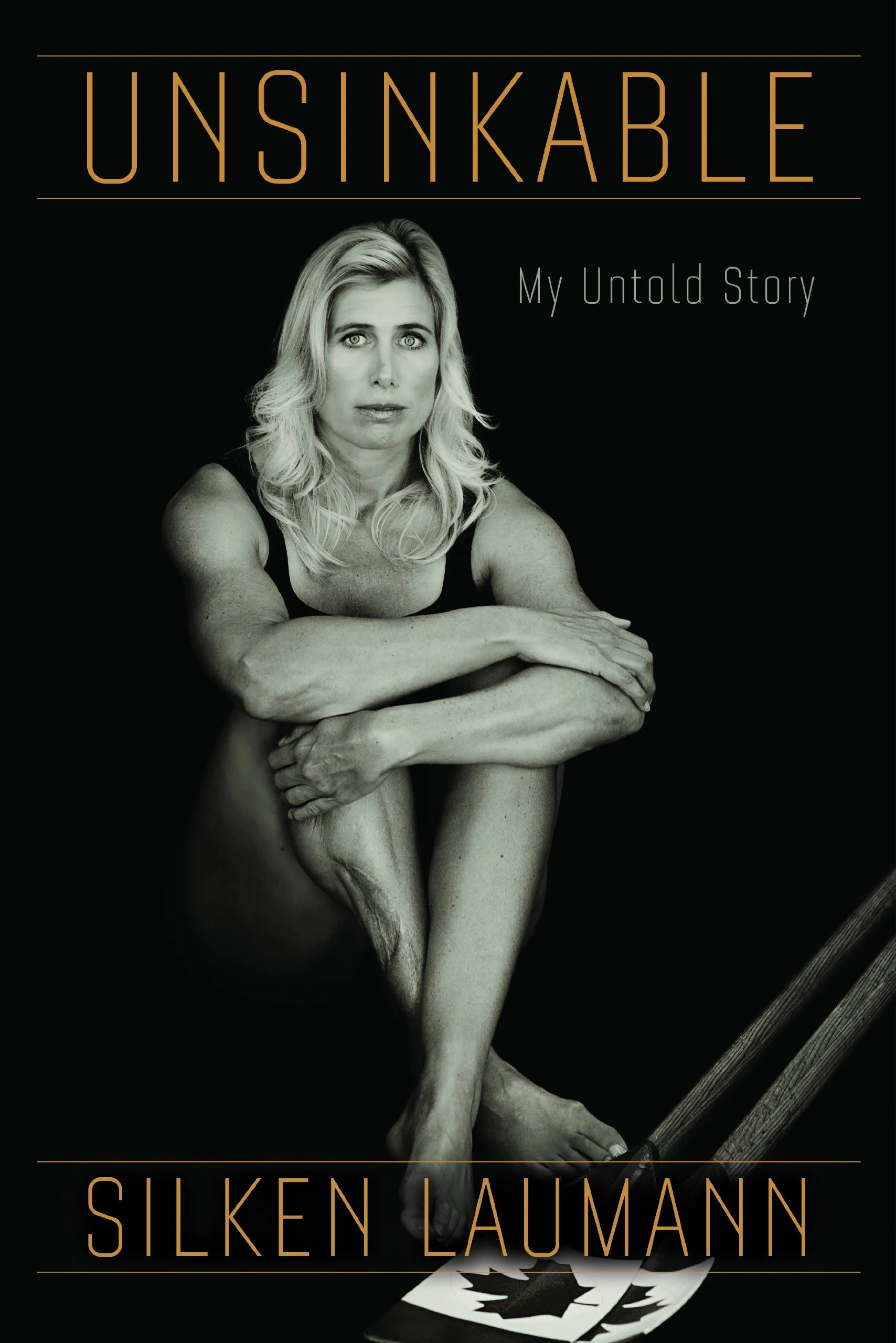
Silken Laumann
Olympic medallist, bestselling author of Unsinkable, and host of the Inflection Time podcast. Keynote speaker on resilience, and founder of the Unsinkable mental health platform.
This episode is supported by GoodLife Fitness and Ventum Financial .
One story, once a week, from someone who has been through it.
A short letter about a moment that changed someone’s life, what it taught them, and a question you might carry into your own week. No course launches, no countdown timers.