Tyler Smith: Joy After April 6
Tyler Smith survived the Humboldt Broncos bus crash. For a long time after, joy was hard to reach, and some days he still asks whether he deserves it.
“once you’ve been in the dark, you learn to appreciate everything that shines.”
Transcript
Speaker names are being checked and will appear here soon.
00:00 Meet Tyler Smith
Tyler Smith, so nice to have you here. Superb hockey player, survivor of the Broncos bus crash, mental health advocate, podcaster, the winner of Amazing Race. Your resume has just gotten longer and longer in the few years that I've met you. Welcome. Thank you so much, Silken. I wouldn't say superb hockey player, but above average for sure. Yeah, I would definitely say above average in a country where even average is pretty good. Yeah, so you're not calling yourself superb anymore. Okay. Did that accolade sort of, you know, disappear after a few years post hockey?
Well, I was never. Yeah, you know, I got a couple friends that made it to the NHL and I would call them superb, but I'm proud to be a beer league hockey player now. Yeah, it's right. It's like, it's so true, right? Everything is relative. Like, you can feel like, wow, I'm doing really, really well here. You know, I'm winning the national championship. So then you go compete in a national, you're like, oh, yeah, okay. Still got a long way to go. Yeah.
01:39 After the Humboldt Broncos bus crash
And what I remember about you then, which was, you know, five years ago now, was that, you know, you were a voice sharing your experiences with a lot of vulnerability. When the Broncos bus crash happened, it just drew the attention of the entire country. And, you know, it was that it was, it was such an awful tragedy to lose those 13 young people. And I think everybody. Everybody. 16, sorry, 16, 16, 16, 16, 16 young people, I think people felt that just in their gut. And then, I mean, in my recollection, you really were one, one of the first people to start talking about the emotional and mental health aftermath. Can you take me back a little bit to that time? Yeah. Yeah. I mean, I, yeah, I guess I realized quickly that there's no magic formula to this. And I still don't think, you know, there ever will be because there is, you know, just life, unfortunately, you never know what's next. And I think it's in some respects, I'm still trying to constantly figure it out. And I think a lot of people can relate to the fact that, you know, we're constantly trying to figure it out and we're constantly trying. And I think I started to quickly realize, unfortunately, how many people are struggling. And I think that's, you know, that's a pretty humbling experience to go through when you, you know, from your story can start to realize like how many people, not just in your life, but just like people in general are going through it. But I also realized quickly that, you know, people don't really acknowledge their story. And I think that's something that elevating people to start acknowledging their story is, is a very powerful thing.
03:26 The Unsinkable story that started it
And I remember, you know, I remember, you know, writing my, my Unsinkable bit, I didn't have any expectations, I didn't have any, you know, anticipations of Odyssey even doing it to start. But I think after writing that, and then after how many people responded to it, how many people shared it on Instagram, I think it kind of just opened up my mind and opened up my eyes to the fact that there is some power in a story. And, and really, and really, for people, having a relatable story is, is a pretty unique thing to go through. And it's a pretty, I guess, valuable thing to go through as well, because it can help validate you through your story and your own struggles as well. So it's, yeah, it's wild. I think that word is very powerful, validate, you know, because when we're struggling, no matter what it is, if it's mental health, if it's a physical illness, if it's the two things together, there is this feeling of like, you're alone in it. And, you know, one of the things that you coined right from the beginning, was it's okay not to be okay. And that was just such a simple, you know, six word sentence, it's okay not to be okay. But it became kind of like a rallying cry. And I think, you know, what I remember it back to that time, you were always wearing a baseball hat, which you still are. And, you know, baseball cap. And, you know, you were this young man, and you still are a young man, speaking out in a very relatable voice to other people, but particularly to young men. And I think that's just a group of people that have a hard time admitting that they're not okay.
05:09 Talking to men about mental health
Yeah, there's such a stuff. Yeah, I guess stigma is the proper word to use it. But I think it's even still to this day, I mean, when I go talk to a group of men, whether it's in the oil patch up in northern Alberta, or my hockey team and I coach, it's still frightening. Like, it's still something that I enjoy doing. But it's obviously, it is pretty frightening. I think because of that, you know, that masculinity attached, I guess the toxic masculinity of, you know, brush it off. And, and just don't worry about it, and just keep working kind of thing. So it's something that I think we're constantly trying to, to grow on and develop and really, but I think it all comes back to like the related, relatability aspect of it. And also just like the, you know, the generational shift. I mean, that's something that, you know, my dad, it's probably, I guess, one of the last generations that really, really had that mindset. But, you know, even before then, I mean, they, they hear the stories of, of how that was, and how you go about your mental and emotional health is, it's pretty eye opening. And it's something that I guess we never fully had to go through. And I appreciate the fact that, you know, it has changed a lot, but there is still such a, you know, such a stigma attached to it. And I think, you know, I think if we can constantly continue to create those conversations and create those moments, and honestly, just like, I think it comes down to creating that space. And I think, you know, creating that space is a hard thing, but being able to utilize a story and utilize stories to, to create that space, I think can help, you know, bridge that gap and help create some parallels. So it's where, yeah, we're learning every day about it, for sure.
06:48 A generational shift
Yeah, and I love that you pointed out that it's also generational, because I grew up with, you know, I'm first generation Canadian, my parents were German immigrants, they, like the whole rest of the world lived through a world war, my parents were children in Germany during the war. And, you know, you didn't have like, you just had to deal with whatever was happening. And I remember my dad saying, like, why would you even bring old stuff up? That was so long ago. And like, that was their way of dealing with it. It was just shut it down, move on. And in a way, like, it was a perfectly logical response, given what they had access to, right? Like, they didn't have access to counseling, they, you know, farming communities across Canada, a lot of people still don't have access to, to counseling. So it's like, why open Pandora's box, if you're not going to have the ability to sort through it. So there has been a huge generational shift. But I think sometimes when you're in the mental health space, it's easy to forget that there's a lot of people that this just still either scares the heck out of, or they have so much resistance to navel gazing, you know, the idea that you would go back and disseminate your experiences, like, why?
08:10 Mental health in hockey culture
So I just kind of wondering, like, you're also in a hockey culture, right? And like, like, you know, not to assume that hockey culture, you know, has toxic masculinity, but like, I would think that, you know, talking about your feelings isn't up there with the top three priorities for a lot of people. Yeah, I think it's the end of the hockey world. It's, we still have a long ways to go. I think we are, you know, starting to make, make headway, and we're starting to make those shifts and make those changes. But I mean, at the end of the day, hockey is such a physical sport. You know, you look at football, you look at all those, like, very physical sports, I think it's easy to kind of get wrapped up into the fact that, all right, like, this is physical, like, I don't need to worry about the mental or emotional side of things. But I think as you start to really, like, see the athletes, like the top athletes come out, and, you know, your Patrik Laine in the world, like, mentioning that he's going through it, and he's going through his mental health. And, you know, the individuals in the NHL that are entering the players assistance program, I mean, I think you're starting to see that. And it's sad that, you know, guys are obviously getting to that place. But the fact that, you know, there is, there is word of, like, guys actually entering the program, and, like, you know, wanting to go through that and wanting to help themselves, I think is something that, you know, we can celebrate, and we can celebrate that accomplishment.
But I mean, at the end of the day, we still got a long ways to go. And I think it's unfortunate, just because I don't know if it's, you know, not, not just men, obviously, you know, women as well. But I think just the fact that if it's in the past, I mean, I think people feel like they can't get involved in it anymore, like their experiences or their struggles. And I think they, you know, there's a misconception that people feel like it's too late to get involved. And I think, you know, reassuring people that, you know, no matter how many years ago, no matter if it was yesterday, or, you know, 50 years ago, it's still something that, you know, holds merit in your life, and like trauma stays with you in your entire life. And I think that's something that, you know, in the hockey world, especially like, which just go, go, go, and even just in like the business world, it's such a go, go, go world. So being able to like reset and like think back and like actually like, acknowledge those traumas and acknowledge like your past and like what she went through is, yeah, it's, it's an interesting experience.
10:19 Never too late to get involved in your own life
And it's something that we I think we need to continue to push of like, it's never too late to get involved in your own life. So yeah, I love that. It's never too late to get involved in your own life. And I think, yeah, looking back at my own experiences as an athlete, like I didn't start doing that deeper personal work till I had kids and I'd finished sport. And I think I would have thought back then that opening up past wounds and past experiences was would interfere with my ability to be as aggressive and as like focused as I needed to be. But in actual fact, when I did go to counseling, you know, and I, you know, I had to wait till I literally had a breakdown to, to finally admit that actually, I couldn't handle it anymore. And I needed help. And it's sad that it took me that long, because I could have saved my kids some pain, when they were super little. And I certainly could have saved myself a lot of pain. And what surprised me, though, like, I remember when my counselor first started asking me about like, my family and my past. And I was like, Oh, man, like, are we real? Are we really gonna go there? And I thought like, it would take forever. And it would be it was like, it's kind of a dangerous thing to do. And yet, and yet, and yet, and yet, and yet, and yet, and yet, I started feeling better, almost immediately. And so I know that had I started counseling when I was still an athlete, it would have actually helped me as an athlete, and it certainly would have helped me be a more confident athlete, athlete, earlier in my career, it took me till the end of my career to really be a confident, racer and performer. And I think it would have happened earlier. So I guess I say to those coaches, and so that old thinking is like, like, like, let's not get into this. What, you know, because the window course in sport is very short. And so, you know, we're in a way, we're, we are trained to push things down and perform like, you know, you have to be at the starting gates of an Olympic final on July, you know, 26, 2002, or whatever it is, right? That's the exact date. And doesn't matter what's going on in your life, you have to perform on that day. And that necessitates, I guess, or is perception that it necessitates that that's all you deal with at that time in your life. And I think,
that's too bad. Because I think that athletes push things down until they boil that in a way that's kind of uncontrolled.
Yeah, I think it's, you know, I don't know if it's necessarily like the self sabotage kind of thing. But I think in the long run, you can kind of look at it in a sense where it's just, you know, not being able to find a balance of that, I think it's, it's more detrimental than you actually think. And I, I, I know, I look back, and I, I truly do wish I probably had more conversations about things. And I probably, you know, wish I was a little bit more present. I think that's something that I think we all wish for is just like being present and like, actually, like, wholeheartedly being present, especially in those experiences where you want to remember the most. But it's something that, you know, I think it's something that we're constantly trying to all work on, especially with so many distractions in our world. And especially, you know, in the athlete space where your identity is that I think it's hard to, you know, be able to think about it where it's like, okay, I can do this, and I can like help myself in the long run, or like, I have to go back and I have to like, you know, divulge everything or like, you know, think about all the factors that led me to this point. I mean, it's hard to, you know, your goal set at the start of the year, and you kind of do your things that, you know, make you look good. I look forward to the future. But I think being able to like, you know, the skill of being able to reset and the skill of being able to like, truly, kind of get to a place where you can be present, I think is one of the most profound things that I've learned. And it's, yeah, it helps you, I guess, have a more fulfilling journey. And I think that's something that, you know, I wish, you know, upon everybody, just because it is, you know, I think back to our rate, our journey on the Amazing Race, and like how much we remember and how present we were. And I think that's something that has allowed us to, you know, constantly hold that memory at such a high regard of just like, because we were just fully, fully our authentic selves, but also just like fully, fully present every single day. And that's the hard thing. So I want to talk about the Amazing Race in a bit. I just, I was curious about where you found the skills and what kind of skills you have incorporated into your life.
15:03 Leaning on his people
When you think back to the last few years, and, you know, coming out of the crisis that you had after the terrible bus crash, what are some tools that you have incorporated in your life that really help you, as you said, reset?
Yeah, honestly, I think for me, like, I love people so much, and I like continue to love people so much. And I think I've really like started to rely on my people a lot more than I thought. But in that sense, like, it's not like every time I have a conversation, it's like, okay, we got to get deep, we got to cry, we got to talk about what's wrong, we got to talk about everything. But I think like, I've really realized that like, just like a simple connection sometimes and like a simple, you know, whether I'm on a two hour drive, and I'm not feeling it, or whether I want to walk, and I need to get outside because I'm not feeling it. And just like hopping on a phone call. I'm such an old soul like that, where like, I feel like that phone call really does a lot for me. Where like, we could just like talk about meaningless things like the NFL or hockey or like, just life and like, just like asking those like simple questions. Sometimes. It's not a way to like distract myself from what's really going on. But I think it's like a valuable tool for me to just like, okay, let's enter this space. And then maybe this could lead to a conversation later on that like was really needed. But for right now, I just want to talk.
And I think I've learned the most from people. I truly believe that I've, you know, I've learned a lot from my therapist, I've learned a lot from, you know, reading and, you know, trying to find little tidbits and things that I can do in my life. But I truly have learned a lot from just people in general. And I think just like the perspective of people that I never thought I'd fully connect with. And like realizing that, like, oh my gosh, like we have a lot more relatability and in common than I ever really anticipated. So I think, like fully allowing the people in your life for the people you come across to like share, and like actually like, you know, take that in and like absorb that has, yeah, allowed me to like, kind of, you know, grow in like the speaking world as well. And also just like grow in like my day to day life of like, all right, like I learned this, like, maybe this could be, you know, good for you. So.
17:09 Why young people don’t call
It's interesting. How old are you? I'm 26. 26. Yeah, because I've got a 24, 26, 27 and 28 year old. And I noticed that these young people don't actually call each other very much that it's, it's all this way, right? And, and, and then like, when they actually do get together, you can see their whole mood. And their happiness level just go way up. And it's like, people, are you seeing a connection here? Like you get human contact, your mood elevates, you know, you do this, you know, I mean, people like wish their best friends happy birthday through text. Like, you know, that, that, so how do we get through this generation? Like that, this is that this human connection, the voice, the being in the room, I mean, this is so lovely, uh, talking, um, uh, by Skype and zoom and all of this. It was, it was even better today when I had a person right beside me and you feel their energy. Um, so each level of contact, I think the emotional lifts that you get increases.
How can we help younger people? I mean, you don't need to have the answer. I'm just throwing it out there. Like really understand, like pick up the phone. Like one of my kids is afraid to pick up the phone. Yeah. I think there's such an intimidation with like, like having to go about a connection, like in a perfect way. And I think, you know, it is scary to like go into that and, you know, like think about, cause you constantly start to think about how they think they're going to go. And like, you know, you hear the, you hear the stories about like people that, you know, see a phone call or somebody calling and it's just like, I don't really want to talk right now. So it's just like, you know, being able to find that and like challenge yourself and get outside your comfort zone to just like, all right, like, I'm just going to do this. And I think it's something that, you know, I, uh, I call it, I'm on the horn. Like I Kat knows, like usually I'm on the horn quite a bit. And I'll just like call all my buddies, check in. And it's something that, you know, really does work for me. At the end of the day, it doesn't work for everybody, but I think, you know, like, kind of resetting your perception on the fact that like, there's no perfect way to connect. Like, I think just like that simple act of connecting is something that, you know, we can hold to a higher regard. Um, and like having those connection is, you know, we all have connections in our life, but like being able to like utilize your connections at a different, a different sense, I think can, can help you grow. I mean, I've learned more than you ever thought from an individual that maybe hasn't went through the exact same thing as you, but has some, you know, something to offer. And I think, you know, gets back to like that theme of give everyone you meet a chance. And, you know, I think, I think we've lost that a little bit since COVID.
At the end of the day, you know, COVID changed a lot of people and COVID is continually, I think there's ripple effects from COVID that we'll forever deal with. And I think it always kind of comes back to that connections, connection space. And the fact that it comes back to like, you just like never know what somebody has to offer you. Yeah. And getting over your fear, like you said, of saying or doing the wrong thing or calling at the wrong time or whatever, and putting yourself out your outside of the comfort zone to make that deeper connection with people. Because I think it was Brené Brown that said, you know, that the, the more you increase your ability for vulnerability, the more you increase your ability for human connection, you can't get it without showing some vulnerability. And, you know, you do that in spades.
And like, just hearing how you connect with all your friends and how important that is to you.
20:44 Finding joy after April 6
And like, I wonder if you ever just like, I mean, especially after the Amazing Race, which we'll talk about in a second, but like, do you reflect on the path that your life has been taking these last few years? And how, you know, this terrible, terrible event in your life and in your whole community's life has also created this pathway that you never could have imagined. Yeah, I think that really does kind of relate to, I talk about it a fair amount, but like, just like that relationship of joy and sorrow. I learned a lot about like how valuable and how vulnerable the emotion of joy is from, her name is Dr. Jody Carrington. She's an incredible, incredible speaker. And she does a really good job of like making, you know, making her audience realize like how powerful joy is and like that feeling of joy.
And I think that's something that was really, really hard to attain for a long time, was really hard to express that, like, you know, experiencing joy after, you know, after April 6. And, and it's still, you know, there's days where I feel like, okay, like, do I really deserve this joy? Like, do I need to go and find this joy? Um, but I think it's something that, you know, it's just like a constant inner battle with yourself. And I think for me, I've been able to attain joy because of the people in my life and because of the people that have helped, you know, guide me along the way. And it kind of comes back to just like, once you've been in the dark, you learn to appreciate everything that shines.
And I think I've started to appreciate everything that shines a little bit more, but I mean, like, I'm not perfect by any means. I don't have all the answers, but I know that I've learned a lot from, you know, those 16 incredible families that we lost, that lost somebody that day. It's something that, you know, I, um, I think about every single day and I hold those 16 families at, you know, like, just like the highest regard and highest point in my life. And I want to make sure that, you know, having that relationship is something that is valuable for me. And having that relationship is something that, you know, I think has allowed me to start to gain joy because of, you know, their, their recognition. And, and, you know, knowing that, you know, they still want us to get back to, you know, living our lives.
I can't speak for them, but I've had a couple of conversations with them that, you know, they still want us to be us and they still want us to go back to, you know, finding that joy. And like, you know, living and getting experiences. And at the end of the day, you know, everything I do is for our angels, like, you know, everything I do. And it's something that, you know, I originally didn't know how to like kind of move forward with, but like now I've like really realized that you're allowed to move forward with your grief. And I, I'm that weird guy that like looks through there at his sunroof and just like talks to my people. So, yeah, I think you have a beautiful tattoo of your 16 souls on your chest, if I remember correctly.
I, it's hard for me to hear you say that you aren't sure you deserved the joy, you know, because like, oh, you're such a wonderful person. And I guess that's part of the survivor's guilt. Oh, sure. Yeah. I, yeah. And I, I, I could sort of come back to like my own struggles with my mental health and that very, very dark time when I first started going to counseling and my kids were really little and I had so much guilt and shame.
I was, had been caring for like literally decades and it, it was months and months and months of depression and, you know, probably really years. And one day I was, you know, about six months after starting counseling, I was walking, it was an autumn day and I was walking down through the path in my property and the sun was shining through and I was really looking at the color of the leaves. And I was like, oh, oh, I think I feel a little bit of joy. And it was an unfamiliar feeling because it had been so long, you know, it'd been so long since I felt that. And, you know, one of our other guests said today when we were talking, she said, you know, this is temporary. Like the pain that we feel, the, the grief, like it is temporary and then there's joy and then there's happiness and then there's pain.
Like it's this, every emotion that we feel, every experience that we have is a temporary experience. And I think getting older now for me is really a recognition of the impermanency of life and experiences. I think when you're younger, you sort of think, oh, okay, well this happens and that happens and then I will be here. Yeah. Okay. And, and as I've gotten older, I realized, yeah, no, that's, yeah, that's exactly how it goes.
And then you're here and then, you know, then boom, something happens and then you're there.
25:38 The Amazing Race Canada with Kat
And you kind of had this experience with Amazing Race. I mean, there's been a life-changing event. Let's get into that a little bit. First of all, congratulations, you and Kat won. It was a, it was amazing television. I can't believe how kind and courteous the two of you are in the middle of like crises.
My husband and I were like, oh yeah, that's so wouldn't be us. We'd be like, screw you. No, screw you. It's left. It's right. We'd be yelling at each other.
But you two were like, oh, I think you're supposed to turn. And then you were like silent. You know, a few times. I just loved it. I was like, okay. So, you know, Kat, I was a bit more of a piece figure.
I think your hyper-competitive personality certainly comes out.
Yeah, it was, don't get me wrong. It's quite the liveness test for your relationship. But I think it's something that, you know, we went into and we're like, this could be really good for us. Or unfortunately, this could kind of be bad for us. And you're only enough that you want to know. Yeah, being lost in the middle of Ontario with only a map and no idea where you are.
It led to a silent treatment for sure.
And you're not a generation of map readers, if you don't mind me saying so. I mean, like my kids can't get anywhere without their Google. Yeah, I think you really start to appreciate how easy we have it. It's also just like hard to find maps nowadays. So, yeah. So what was your expectation kind of going into the Amazing Race about the experience?
And how did it kind of unfold differently for you? Yeah, like I think from the very start, we kind of went into it. And it had been, you know, kind of a long journey to get there. But once we embarked on it, I think we, we from the start just like wanted to have a lot of fun. And I think that kind of just like goes back to like our relationship as a whole. And like how much fun we do have together.
I mean, we traveled to Europe like three months after we met. I think it's nice because she's somebody that like really brings out a lot of like adventurous side to me. And like kind of like that being spontaneous, getting outside your comfort zone side. And, you know, we went on to this Amazing Race Canada. And it is like hard to fully prepare for because you never know what you're doing. You never know what's next.
I mean, it's hard to, you know, you can't and it kind of comes back to like the control what you can control. And I think for us, like, well, the one thing that we knew that we could control was our emotion and was our like kind of like the joy factor of it. And like also just like being present because, you know, we didn't have a phone for 30 days. So we went into it and it's like, okay, we're going to spend a ton of time together. And it's just us. And I think the fact that like even after we won the first episode in Calgary, we got back to our old tower of it like 10 o'clock.
And we just like belly lapsed for like an hour and a half about the day. And I think like, you know, that little things like that. And also just like the fact that like Kat and I could talk about the race and like pick up like a memory that, you know, you normally wouldn't pick up because we are so distracted in our daily lives with our phone, with this, with that. And for us, like the fact that we can fully wholeheartedly remember like every single piece of that experience. And like that adventure is something that it's actually like hard to put into words. Like you get your phone back and it's just like, I don't really want this because it's just like you were offered the opportunity to like just like be and just like be so wholeheartedly present in the moment every single time.
And I mean, they do such a good job of really challenging you and, you know, they don't want to shatter you, but like they'll they'll try and break you every once in a while. And I think that was something that, you know, we now appreciate more than you do obviously in the moment.
29:30 Running their own race
I'm trying to imagine. I mean, you're a hockey player. You're a very competitive person. How did you not allow that sort of pathologically competitive person to come out and stay out and bring in the playfulness? Like, like, were you just sometimes like locked into like winning? Because that's what I'd be afraid of for myself that like I just get so locked into winning whatever the, you know, challenge was for the day that I wouldn't actually like I go so tunnel vision, I wouldn't see or do. It sounds like you found some sort of balance there. Yeah, I think that was, you know, going into it.
But we didn't have a ton of expectations, honestly, like we, you know, we hope that our background and our foundation, you know, would be able to help us have a little bit of success. But believe it or not, Kat's actually like the way more competitive one out of the two of us, which is, you know, a really good balance. But I think it was, you start to appreciate the fact that like, okay, you were competing and you were against other people. But like Kat did a really good job of like resetting us sometimes just to be like, we are doing our own thing. We're running our own race. We're going to do, you know, our thing.
We're going to do what's best for us. And I think that's something that you constantly kind of had to remember and learn of just like, you know, as much as you're at a challenge with five other teams and you're stressed about when they're going to leave. And like, you know, if you're in first place, second place, third place, last place, wherever you are. I think it's just like you have to just like appreciate the fact that, you know, sometimes you don't know what's next. So you just have to focus like full heartedly on what's in front of you. And also just like this is your this is just you too.
Like she did a really good job of just like remembering like that. It's just us. You know, even if there's people around, there's cameras, there's people all over. It's just us. Like, let's just focus on us. Let's just run our race.
Yeah, you're aware of what we would say in rowing, focusing on your lane. And I feel like in my life outside of sport, I'm quite good at doing that. I'm quite good at, you know, you're just working hard at whatever I'm doing and believing that it's going to be successful. I'm not really thinking about like the marketplace or how it's going to, you know, you know, who else I'm competing with in whatever endeavor. But then if you strap a number on me, this other person comes out. So I have to say, I really respect that you were able to kind of have that that balance, even with with the number, so to speak on you.
31:56 Families watching together on Tuesday nights
And so how is winning the Amazing Race changed your life?
Like, I think it was, you know, one of our favorite one of like Kat, I think is the exact same. But one of my favorite things, you know, we went into it. And like, we know that, like, they were not going on like the bachelor where like you're going on to like, you know, you're going to get hundreds of thousands of millions of followers on Instagram. Like, we know that this is like a just like an amazing, wholesome Canadian audience and a lot of like rural families watch the show. And I think one of our favorite, like, things that we started to learn from the show is I had a couple families from Leduc where I grew up that would like come up to me. And we're just like, every single Tuesday night, like as a family, the first time we've ever done that we sat down after dinner and just watch the episode.
And I think that was something that you know, I guess it's not something that changed my life. But it really just like changed my perspective as how like Kat and I going on this like fun journey across Canada TV show essentially helped like create, I guess, a community of people, you know, not just like our friends and family, but just like people that maybe liked us or gravitated towards us of like, they would watch us on a Tuesday night for an hour. And I think that's something that we now appreciate. So yeah, like so much more. And I think that every time we, you know, thank somebody for watching, I think we always want to mention like, thanks for coming along this journey with us because as much as it was, you know, just like us two as a duo. I think we did still feel so loved and like so appreciated by, you know, our friends and family and everybody who watched.
And I think that was something that, yeah, not necessarily, I guess I learned from the show, but something I really took from the show of like, it's hard for like family. Or like a group of people to actually like take the time to like watch a show together and like sit around a TV together nowadays, because there's so much going on. And life is busy. And you know, people always got something going on. So like the fact that families would come up to us and say like for an hour straight, we just like sat down together as a family and watched was truly our favorite thing. Yeah.
Yeah. Yeah. And it is a privilege when people go on your journey with you, you know, so whether it's your journey as an athlete, it's your journey, you know, in mental health, it's your journey on Amazing Race for me, you know, obviously an athlete, a speaker, it's a privilege, right? Because people are giving you their attention, they're giving you their time, they're learning from you when you get up on stage and you speak and you share, you're creating this experience that they're part of, right? Like, what would speaking be like if there wasn't an audience? Like, it's not much fun, right?
Like, and we experienced a little bit of that during COVID, right? Like you're speaking into the camera all the time. And then when you get in front of a live audience, when you get even, you know, as Zoom audience or television audience, that energy is there. And you realize that actually, you're doing something collective, even when you're doing something individual. And I remember in, you know, 92, my story at the Olympics was such a big story in Canada. And so many people got up at like three in the morning to watch my Olympic final.
And they have stories about where they were and who was in the room. And it kind of like confused me at first, like why this meant so much to them. And then you kind of get like a different perspective. And you're like, yeah, like, yes, I was doing my thing. And it was completely selfish. I was like focused on this race.
But together, we actually were part of this collective experience.
35:37 Not Alone, and Tuesdays with Morrie
And it seems to me that like the way that your life is unfolding with Speak Your Mind and your clothing brand, Not Alone, that you continue to seek and to build a collective experience. Is that, does that resonate for you? Yeah, no, that resonates. Yeah, wholeheartedly. I think it kind of comes back to one of my favorite quotes from, I don't know if you've read Tuesdays with Morrie by Mitch Albom. It's one of my favorite books.
And he says it perfectly where he says, let me find the quote. He says, taking just makes me feel like I'm dying. And giving makes me feel like I'm living. And I think, like, for me, the giving is like giving back. And like giving back in a sense of like giving a chance for people to create a community and like come together, especially around a hard topic like mental health. Like we have learned a lot, especially since COVID around the world of mental health, that we will continue to learn and evolve and grow.
But if we can generate a community around a difficult subject like mental health, I think that's what allows people to start, you know, to start taking those steps and to start giving again. And because it, I don't know, it always comes back to love for me as well. And another quote from that is just like, you know, devoting yourself to loving others and devote yourself to the community around you and devote yourself to, you know, creating something that gives you that meaning and that purpose. And I think the collective, that's why I have so much love for people, you know, after the accident, like how much love and support we receive from people across this incredible nation really made me realize that we can do so much good when we come together and we can do so much good when a community is generated. And I think for that, you know, having that community in whatever space it may be, mental health, grief, just sport life. I mean, it can really help you, I guess, take steps that you never would have taken before and also like help you get outside your comfort zone.
And I think that's a hard thing to do of like getting outside your comfort zone and being spontaneous and trying something new. But if you can have the community around you while you do that, like even with the Amazing Race, like there was a big comfort zone that we had to get out of and like just like just go try and be spontaneous. But I think knowing that we had a community of people back home allowed us to do that and allowed us to just like have a ton of fun with it as well. So, yeah, the collective, the community aspect is huge. Yeah. And when you have a solid foundation, when you are loved, when you have, you know, your own self-love, I think it's such a strong platform to take risks from.
I'm married to a person, David Patchell-Evans, who owns GoodLife Fitness, and he has an abundant amount of confidence. He is a really, truly, genuinely confident person. And I see how that confidence has allowed him to build so many exceptional endeavors in his life. And, you know, if you can give some of that to other people, if you can encourage other people in a way that builds their self-esteem, that builds their confidence, it's like a superpower. Excuse me.
And when I hear, when I hear you, Tyler, talk about love, you know, as a young man, it's so nice to see you embracing that kind of language. And, you know, I hope that one day we can talk so much more authentically to one another, that we can see each other much more clearly, and that we can have conversations around mental health that are just conversations. Like, we're just talking about what's really going on in our life and really understand that that conversation, that connection of two people sharing is part of how we have better mental, emotional, and spiritual health.
39:34 Ending every call with “I love you”
Yeah, I couldn't agree more. I'm proud to say that when I end a call with a lot of my friends, it's always, I love you. And, you know, it's a little piece, it's a little thing that, you know, can always keep that connection alive. And I think, you know, you never know what's going to happen on the other end of the line, and you never know what somebody might be going through. So, you know, that little piece of love, that little piece of, you know, concern, that little piece of validation and recognition, I think it goes a long way. And it goes a long way more than you ever can know sometimes.
So I think it's just always kind of remembering that. Yeah, knowing that you never know what that person is going through and how some little thing that you never even thought twice about can actually make a positive difference in that person's day and maybe even their whole life. And talking about love. So you found love, and you and Kat survived the Amazing Race, and you're engaged to be married. Congratulations. Yeah, it's been exciting times.
And it was funny, on the final mat, Jon Montgomery looked at both of us and said, what's next? And Kat just went on a whim, and she said, hopefully a ring on her finger. And I never thought I'd have so many moms across Canada chase me down to make sure that a ring was being put on her finger. And I'm glad to say that the ring is on, and we are scheduled to get married next September. So it's, yeah, it's incredible. I don't think we, it's been a wild, wild relationship for us.
We've done a lot. We've experienced a lot. And I think to really just like have that day, it's something that we're really, really looking forward to. And it's going to be a special, special moment. Well, and as you said, adventure, and you know, you were part of Canada's adventure race, and it sounds like Kat has rekindled that spirit of adventure in you, which it's so exciting in a marriage to be with somebody who has that adventurous spirit.
41:28 Advice to his 13-year-old self
Tyler, if you can kind of cast your mind back to 13-year-old Tyler, hockey-playing Tyler, you know, knowing what you know now, living back, what piece of advice would you give your 13-year-old self? Oh, dear. Yeah, I think back to a 13-year-old Tyler Smith, and I think it's, it was very much of, you know, putting, making sure everybody else around me was okay, and always taking care of my people, and always being the glue guy, which I, you know, still very much am. I love my people. I love being that glue guy. But I think one piece of advice that I would probably give to myself is something along the lines of, you know, you're allowed to take care of yourself, and like, you're allowed to do things for you, and you're allowed to, you know, have that balance with yourself.
But also, even this summer, I learned a lot about boundaries, and I learned a lot about, you know, being able to take time for myself, and being able to enjoy time for myself. I think before, I always had to be doing something, and now it's like, okay, like, I'm allowed to just, like, stretch in front of the TV, in front of my favorite TV show. Like, I'm allowed to go on a walk and listen to my podcast. Like, I'm allowed to, I'm allowed to do things that, like, fulfill me. I'm allowed to do things that, or I'm allowed to have conversations that I probably normally wouldn't have that could hopefully help shift my perspective. So, I think just, like, that allowedness.
I think, like, truly telling my 13-year-old self that you're allowed to do this. Like, you're allowed to take care. And I think that's something that, yeah, really, death has come to mind. Well, I'll tell you, that's something a lot of 50-somethings still have to learn, that allowing and that making space for just being and enjoying and not having to be productive all the time. And, you know, Tyler, I hope that you can keep building on the wonderful work that you're doing. And I know that, you know, your path is going to take you in many different ways.
But I think that your intention is so clear. Like you said, it's love. It's creating community. It's building community. That I know you'll be successful in whatever you endeavor next. I appreciate you, Silken.
And it's good to see you. Yeah, that Unsinkable article is still something that I think about as to how I guess I got to where I am today. So, I appreciate you from the very start, many, many years ago. And, yeah, thank you so much for having me. Well, and I send you all my love. And thank you so much for, yeah, just for being you and for supporting Unsinkable and coming on the podcast to share a little bit about your, you know, your wisdom and your journey.
So appreciate you. Much love. Okay, take care.
Thanks for tuning into Inflection Time. I hope our conversation inspired you to think about inflection points in your own life. If you enjoyed our chat, be sure to subscribe, rate, and leave a review. It really helps. Remember, every challenge is an opportunity to grow. So keep embracing those turning points.
Until next time, I'm Silken Laumann, and this is Inflection Time. I'd like to thank my sponsor, GoodLife Fitness, and Tall Boy Water. A big thank you to our incredible guests for sharing their stories with us. I'd also like to thank our fabulous production team, our executive producer, Michelle Archer, our producer, Phil Kluba, and our communications director, Christine Bays. Inflection Time was created by Archer & Co, Akrenim, and me. As an Olympic athlete, it's not surprising.
I love working out, and I love going to the gym. Strength training is so important for bone health, for metabolism. And our partner is GoodLife Fitness. They are offering a seven-day pass to all of our listeners. Visit our description to access your seven-day pass. stepsmode to access your seven-day pass.
Key takeaways
- There is no magic formula. Since the crash, Tyler has kept figuring it out. What humbled him was how many people are struggling, and how much a story they can relate to helps them feel validated.
- Still frightening to speak. Talking about mental health with men in the oil patch, or with the hockey team he coaches, still scares him. He does it anyway, because the old “brush it off” mindset is shifting.
- A simple call helps. When he isn’t feeling it, Tyler picks up the phone, often just to talk about hockey or the NFL. Many of his calls with friends now end with “I love you.”
- Allowed to feel joy. After April 6, joy was hard to reach, and some days he still wonders if he deserves it. Conversations with some of the families told him they want the survivors to keep living.
- Fully present for 30 days. With no phones on The Amazing Race Canada, he and Kat remember almost every moment. When the competition crept in, Kat reminded them to run their own race.
Tyler Smith
Humboldt Broncos survivor, mental health speaker and Amazing Race Canada winner
Tyler Smith is a Calgary public speaker and mental health advocate who survived the Humboldt Broncos bus crash on 6 April 2018, which took the lives of 16 teammates, staff and coaches. He speaks across Canada about mental health and recovering from trauma, and founded Not Alone, a mental health community and clothing line that works to reduce stigma. In 2023 he and his partner, Kat Kastner, won season 9 of The Amazing Race Canada.
- The Globe and Mail: Humboldt Broncos crash survivor and girlfriend win The Amazing Race, 2023
- Seed World Canada: Amazing Race Canada winner Tyler Smith on how the power of conversation can change everything, 2025
- University of Calgary News: Travelling Team TyKat, 2024
- Speaking: Speakers Bureau of Canada
Resources 12
Research and sources behind what was said in this conversation.
- Unsinkable weareunsinkable.com The story-sharing platform where Tyler first wrote about his experience. The response opened his eyes to the power of a story.
- Humboldt Broncos survivor encourages men to be open about mental health issues CBC News Tyler in 2020 on why men should talk about how they are doing.
- The role of masculinity in men’s help-seeking for depression: A systematic review (Seidler et al., 2016) Clinical Psychology Review How traditional masculine norms can keep men from seeking help, the “brush it off” mindset Tyler describes.
- Laine to receive care from NHL/NHLPA Player Assistance Program NHL.com Patrik Laine stepping away in January 2024, one of the players Tyler points to.
- Social Relationships and Mortality Risk: A Meta-analytic Review (Holt-Lunstad, Smith and Layton, 2010) PLOS Medicine Across 148 studies, people with stronger social ties lived longer. Tyler leans on his people.
- Phone Calls Create Stronger Bonds Than Text-Based Communications UT News, University of Texas at Austin People expected calls to be awkward, but felt closer after a call than after email or text. Silken asks why young people won’t pick up the phone.
- The power of vulnerability TED, Brené Brown Brené Brown on vulnerability and connection, the idea Silken brings up.
- Dr. Jody Carrington drjodycarrington.com The psychologist and speaker who taught Tyler how vulnerable and how valuable joy is.
- Posttraumatic Stress Disorder CAMH Feeling guilt for an event or its outcome, which Silken calls survivor’s guilt, is among the risk factors CAMH lists after trauma.
- Humboldt Broncos crash survivor and girlfriend win The Amazing Race Canada The Globe and Mail Tyler and Kat’s win on season 9, in 2023.
- Not Alone Co. notaloneco.com The mental health community and clothing line Tyler started.
- Tuesdays with Morrie (Mitch Albom) Penguin Random House One of Tyler’s favourite books, and the source of his line about giving making you feel like you’re living.
Silken Laumann
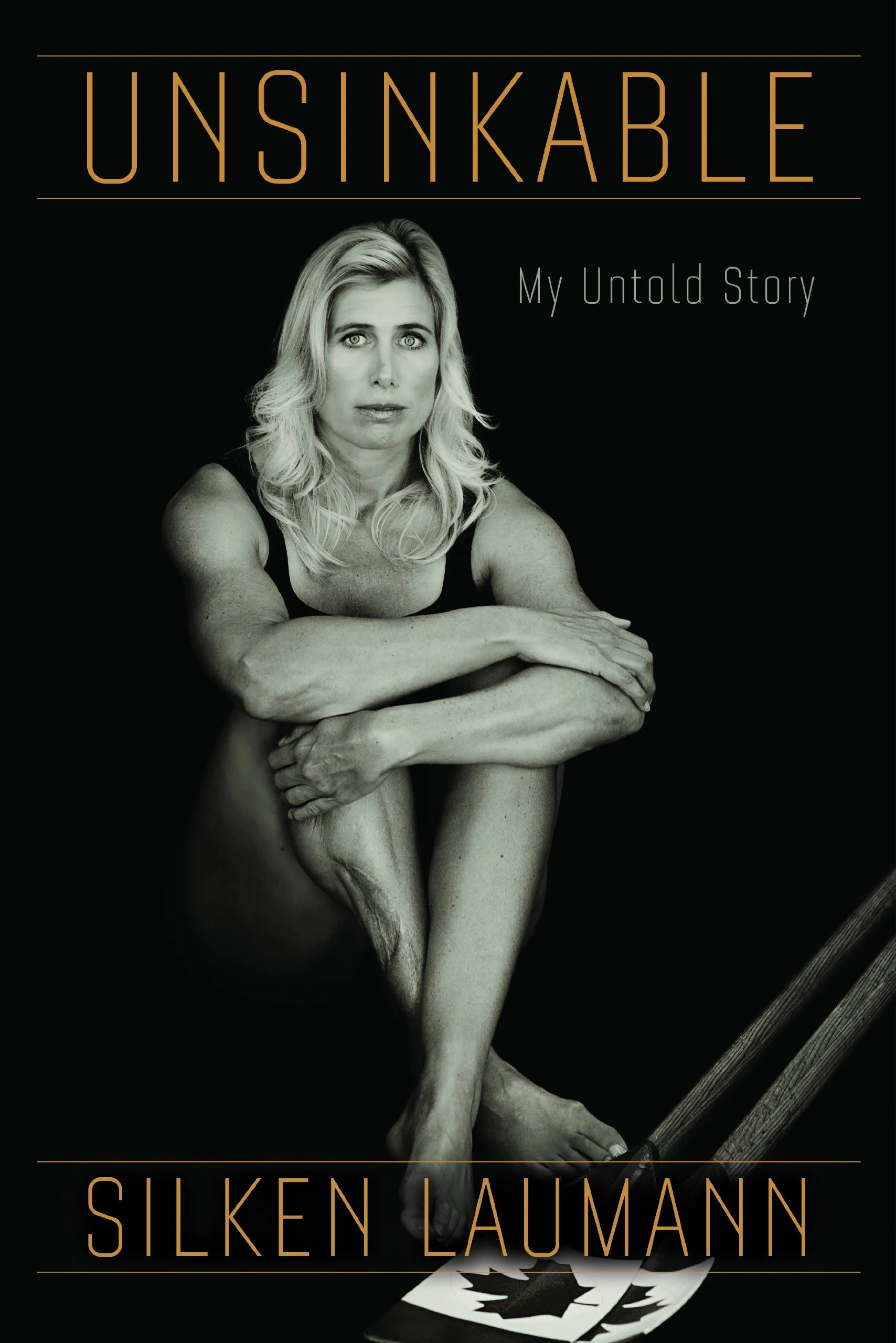
Olympic medallist, bestselling author of Unsinkable, and host of the Inflection Time podcast. Keynote speaker on resilience, and founder of the Unsinkable mental health platform.
This episode is supported by GoodLife Fitness and Tall Boy Water .
One story, once a week, from someone who has been through it.
A short letter about a moment that changed someone’s life, what it taught them, and a question you might carry into your own week. No course launches, no countdown timers.